
Bird-friendly coffee comes from farms that protect bird habitat and often use shade-grown methods. It can also support fair pay for growers and deliver great flavor in the cup.
Many top picks include USDA Organic and Smithsonian Bird-Friendly options, plus traceable specialty blends.
This guide highlights seven coffees that are kind to birds and easy to enjoy.


More Details on Our Top Picks
Tiny Footprint Nicaragua Segovia Dark Roast Coffee
Tiny Footprint Nicaragua Segovia Dark Roast Coffee is a strong pick should you want a bird-friendly coffee that pairs bold flavor with real conservation impact. You get USDA organic, Fair Trade, shade-grown Arabica from Nicaragua’s PRODECOOP co-op. Expect a dark roast with chocolate, bright apricot, fig, and spice nuances, all craft roasted in small batches on a vintage Probat drum roaster. Tiny Footprint also funds reforestation in Ecuador’s Mindo Cloud Forest for every pound sold, helping remove more carbon than it emits while supporting habitat, soil, water, and local jobs.
- Roast Level:Dark roast
- Form:Ground
- Origin:Nicaragua
- Bean Type:Arabica
- Certifications:USDA Organic, Fair Trade
- Flavor Profile:Chocolate, apricot, fig
- Additional Feature:Carbon-negative reforestation
- Additional Feature:Mindo Cloud Forest
- Additional Feature:Vintage Probat roaster
Fabula Organic Low Acid Medium Roast Coffee
Fabula Organic Low Acid Medium Roast Coffee is a strong choice provided you want a smooth, gentler cup without sacrificing flavor. You get USDA Organic, non-GMO ground coffee from single-origin Peruvian beans grown up to 7,000 feet, where slower cherry development builds deeper flavor. Expect caramelized sugar, nuttiness, rich chocolate, and a lively aroma with brown sugar and subtle fruit notes. It’s lab-tested for molds, mycotoxins, pesticides, and 350+ chemicals, so you can sip with more confidence. In case acid reflux or sensitivity bothers you, this low-acid medium roast aims to stay easy on your stomach.
- Roast Level:Medium roast
- Form:Ground
- Origin:Peru
- Bean Type:Coffee beans
- Certifications:USDA Organic, Non-GMO
- Flavor Profile:Caramel, nutty, chocolate
- Additional Feature:Lab-tested 350 chemicals
- Additional Feature:Low-acid formulation
- Additional Feature:High-altitude Peru
Manatee Gourmet Caribbean Delight Medium Roast Coffee 2 lb
Manatee Gourmet Caribbean Delight Medium Roast Coffee is a strong pick should you want a 2 lb whole-bean bag with a smooth, crowd-pleasing flavor profile and a brand that gives back to conservation efforts. You get 100% Arabica beans, hand-picked from around the world, then slow-roasted in the USA to a medium roast. Expect roasted hazelnut, toasted coconut, and warm creamy caramel notes. It’s allergen free, mold free, non-GMO, gluten free, and Kosher certified. Should you enjoy supporting wildlife, you’ll appreciate donations to Save the Manatee Club, Fish & Wildlife Foundation, and Mote Marine Laboratory.
- Roast Level:Medium roast
- Form:Whole bean
- Origin:Global blend
- Bean Type:100% Arabica
- Certifications:Kosher, non-GMO
- Flavor Profile:Hazelnut, coconut, caramel
- Additional Feature:2 lb bag
- Additional Feature:Manatee conservation donations
- Additional Feature:Kosher certified
Allegro Coffee Organic Early Bird Blend Whole Bean Coffee 12 oz
Should you want a coffee that supports migratory bird habitat without giving up on flavor, Allegro Coffee Organic Morning Bird Blend is a strong pick. You get a 12-ounce bag of whole beans with a medium roast that tastes mellow, smooth, and layered with cocoa and roasted nut notes. Because the beans come from Latin American farmland and carry Smithsonian Bird-Friendly certification, you’re backing shade-grown practices that protect migratory birds. Allegro keeps it specialty and organic, with no compromises on quality. If you want a balanced daily cup that aligns taste with conservation, this blend fits beautifully.
- Roast Level:Medium roast
- Form:Whole bean
- Origin:Latin America
- Bean Type:Coffee beans
- Certifications:USDA Organic, Smithsonian Bird-Friendly
- Flavor Profile:Cocoa, roasted nuts
- Additional Feature:Smithsonian Bird-Friendly
- Additional Feature:Multi-layer canopy cover
- Additional Feature:Mellow cocoa notes
Kion Organic Ground Coffee Medium Roast 12 Oz
Kion Organic Ground Coffee Medium Roast 12 Oz is a strong pick should you want a cup that pairs clean sourcing with dependable quality. You get certified organic beans, specialty grade quality, and regular testing for mold, mycotoxins, and pesticides. That means you can feel good about what’s in your mug. It’s ethically sourced from farms that meet high standards for sustainable growing, then expertly roasted with an environmentally friendly smokeless roaster. Nitrogen-flushed packaging helps keep it fresh. Expect a rich, bold, smooth medium roast that fits easily into your daily routine.
- Roast Level:Medium roast
- Form:Ground
- Origin:Ethical sourcing
- Bean Type:Specialty grade beans
- Certifications:Certified organic
- Flavor Profile:Rich, bold, smooth
- Additional Feature:Top 3% coffees
- Additional Feature:Nitrogen-flushed bags
- Additional Feature:Smokeless roaster
Lifeboost Adaptogenic Mushroom Coffee with Lion’s Mane & Chaga
Should you want a low-acid coffee that’s gentler on your stomach without sacrificing a functional lift, Lifeboost Adaptogenic Mushroom Coffee with Lion’s Mane and Chaga is a strong fit. You get an organic, medium roast ground coffee that blends Lion’s Mane and Chaga for added benefits. Lion’s Mane might support memory, focus, and mental clarity, while Chaga could help support immune health and overall well-being. Because it’s easy to digest and free from mold, metals, and mycotoxins, you can enjoy smooth, jitter-free energy without the usual heartburn. Lifeboost also backs your purchase with a 30-day satisfaction policy.
- Roast Level:Medium roast
- Form:Ground
- Origin:Organic coffee
- Bean Type:Organic coffee beans
- Certifications:Organic
- Flavor Profile:Smooth, earthy, functional
- Additional Feature:Lion’s Mane added
- Additional Feature:Chaga extract included
- Additional Feature:30-day satisfaction policy
Intelligentsia Organic Light Roast Whole Bean Coffee
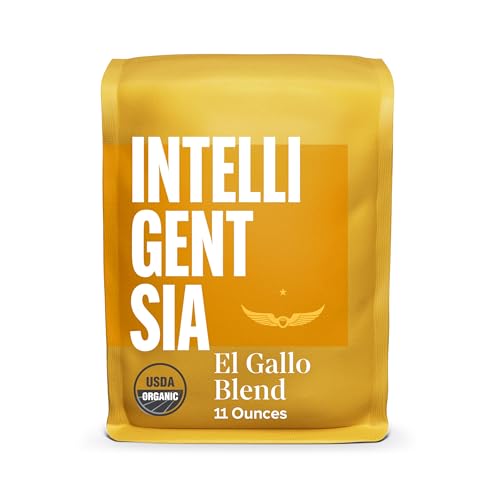
In case you want a light roast that pairs a smooth, candied sweetness with milk chocolate and honey hints, Intelligentsia Organic Light Roast Whole Bean Coffee is a strong pick. You get a USDA Organic, 100% Arabica whole bean blend in an 11-ounce bag, with a round mouthfeel and balanced finish. Intelligentsia’s Direct Trade program skips middlemen, so you support closer grower partnerships and high-quality, sweet coffees. Brew it at 9.5 g per 6 oz water, ideally with pour-over or automatic drip, and grind to 5–6. Seasonal blend updates help keep it fresh and consistent.
- Roast Level:Light roast
- Form:Whole bean
- Origin:Blend sourcing
- Bean Type:100% Arabica
- Certifications:USDA Organic
- Flavor Profile:Milk chocolate, honey
- Additional Feature:Direct Trade program
- Additional Feature:Seasonal blend components
- Additional Feature:Pour-over recommended
Factors to Consider When Choosing Bird Friendly Coffee
Whenever you choose bird-friendly coffee, look for shade-grown habitat and a trusted bird-friendly certification that supports wildlife. You’ll also want organic farming practices and clear sourcing transparency so you know how the coffee was produced. Finally, pick a roast and flavor profile that fits your taste, because the best choice should support birds and still satisfy your cup.
Shade-Grown Habitat
A real shade-grown coffee farm keeps its beans under a layered canopy of native trees, preserving forest structure and giving migratory and resident birds a place to feed, nest, and shelter. Whenever you choose coffee grown this way, you support farms with 30% to 80% canopy cover, which usually hold far more bird species than sun-grown monocultures. Look for vertical layers too: overstory trees, shrubs, and understory plants create nesting spots, insect-rich foraging, and cooler microclimates that help birds thrive. Native tree diversity matters because it enhances fruit and insect supplies. Shade trees also connect fragmented forests, letting birds move safely across farmland. In short, deeper shade means stronger habitat, better survival, and a healthier terrain for birds and your morning cup.
Bird-Friendly Certification
Bird-Friendly certification gives you a clear way to spot coffee that truly supports birds: it’s the Smithsonian Migratory Bird Center’s standard, and it requires USDA Organic practices plus a multi-layer, shade-grown canopy that mimics native forest structure. You should look for farms that meet strict canopy cover and tree-height rules, because native trees and layered shade create nesting sites, foraging cover, and insect-rich habitat. The certification also relies on audits and records, so you know growers avoid synthetic pesticides and fertilizers that can disrupt bird food webs. Whenever you choose certified coffee, you’re backing traceable lots from verified farms or cooperatives. Studies consistently link this label to more bird species and higher abundance than sun-grown coffee, making it one of the strongest signals of real conservation value.
Organic Farming Practices
Organic farming matters because it cuts out synthetic pesticides and nitrogen fertilizers, which helps protect birds from toxic exposure and preserves the insect prey, aquatic food chains, and habitat structure they rely on. Whenever you choose organic bird-friendly coffee, you’re also supporting farms that use crop rotations, cover crops, and compost to build healthier soil and stronger shade canopies. Those practices create layered habitat that migratory and resident birds can use for feeding and cover. Organic farms often support more pollinators, arthropods, and understory plants, so birds get more food and nesting options. Reduced tillage and buffer strips also help keep runoff out of streams, protecting riparian plants and insects. Certified organic farms must meet standards and pass inspections, so you can trust the habitat benefits are real.
Sourcing Transparency
At any time you shop for bird-friendly coffee, transparency is one of the best ways to verify the real impact behind the label. You should look for certification marks like Bird-Friendly™ and the producer or coop name, so you can trace the exact farm or region. Strong brands share farm-level details, including altitude, farm size, ownership, and whether the coffee’s shade-grown under a multi-layer canopy that supports birds. You’ll also want lot numbers, harvest dates, and processing or export methods, because they help you judge traceability and freshness. Compare brands that publish audit reports, certified acreage, or biodiversity data. Finally, choose companies that disclose farmer payments, cooperative rules, and habitat or community investments, since those details show how seriously they treat people and ecosystems.
Roast And Flavor
Roast level is where flavor meets the mission: light roasts keep more of coffee’s natural acidity, floral annotations, and fruit character, while dark roasts lean into body, bitterness, and roasted or chocolatey flavors. For bird-friendly, shade-grown coffee, you’ll often find medium roasts hit the sweet spot, preserving origin subtlety while adding a smoother body. Should you want to taste the distinct terroir and varietal notes shaped through habitat, choose a lighter roast. In the event you prefer a bolder cup, a darker roast can work, but it might blur those finer distinctions. Also, purchase freshly roasted beans—ideally within 2–4 weeks—to get the clearest aroma and flavor. In case acidity bothers you, try medium-dark or low-acid profiles.
Ethical Conservation Impact
Upon selecting bird-friendly coffee, the biggest ethical question is how much real conservation it delivers. You should choose beans certified Bird-Friendly or shade-grown, because multi-layer canopies give migratory and resident birds nesting sites and cover. Look for producers that fund reforestation or habitat restoration, since native trees can rebuild canopy and reconnect broken bird corridors. Check whether your premium helps community needs like education, healthcare, and fair wages; once farmers earn more, they’re less likely to clear forest for crops. You’ll also want proof of agroecological practices: native shade retention, low chemical use, and diversified understory crops that sustain insects and seeds birds eat. Finally, prefer brands with traceability, third-party monitoring, on-farm bird surveys, and metrics like canopy cover and species richness.
Freshness And Packaging
Even assuming you’ve chosen a coffee that supports birds and habitat, freshness still determines how much you’ll enjoy it. You should look for whole beans or recently roasted ground coffee with a roast date on the bag. Beans taste best within 2–4 weeks after roasting and start losing flavor after about a month. Packaging matters too: pick bags with one-way degassing valves, nitrogen flushing, and resealable closures, or choose vacuum-sealed tins to limit oxidation and protect aroma. In the event that you drink coffee slowly, buy smaller bags or portioned packs, because opened coffee can go stale in 2–3 weeks. Store it in a cool, dark, airtight container away from heat, light, and moisture, and skip refrigeration. Certifications and small-batch labels often signal better freshness practices.
Frequently Asked Questions
Which Certification Is Most Trusted for Bird-Friendly Coffee?
Birds and baristas, many coffee buyers trust Smithsonian Migratory Bird Center’s Bird Friendly certification because it requires shade grown, organic practices that support habitat, and it is widely regarded as a leading standard for bird friendly coffee.
Does Shade-Grown Coffee Always Taste Less Acidic?
No, shade grown coffee does not always taste less acidic. Some cups have softer acidity, but variety, roast level, altitude, and processing shape the flavor too, so it is best to taste each coffee on its own.
Can Bird-Friendly Coffee Be Espresso Ground?
Absolutely, you can grind bird friendly coffee for espresso, and it will brew with a rich, intense flavor. Use a fine, even grind; otherwise, your shot may run too fast or too slow. Set your grinder to match your espresso machine.
How Should Bird-Friendly Coffee Be Stored for Freshness?
Keep bird friendly coffee in a sealed container away from heat, sunlight, and humidity, and grind only before brewing. Protecting it from air, warmth, light, and moisture helps preserve its flavor.
Is Bird-Friendly Coffee Suitable for Cold Brew?
Yes, bird-friendly coffee works well for cold brew. You may notice a smoother, lower-acid profile. Brew it cold for 12 to 18 hours, and it can produce about 60% less acidity than hot brewing.