
Coffee isn’t just a morning pick-me-up; it’s a daily ritual for many. In Finland, for instance, people savor their brews during the long winters as a comforting habit. Across the globe, coffee culture varies widely—some regions cherish robust local blends, while others focus on trendy specialty beans or quick instant options. As consumers grow more conscious about quality and ethical sourcing, each cup tells a deeper story. This shift in preferences reveals intriguing insights about our relationship with coffee.
Global Coffee Consumption by the Numbers
Around the world, coffee is more than a morning habit, it’s a daily routine that keeps billions of cups moving every year. Whenever you look at coffee demographics, you see a mix of ages, incomes, and lifestyles that all meet in one warm mug.
Recent consumption statistics show that daily drinkers often reach for coffee to start work, study, or connect with others. You can notice how this pattern brings people into a shared rhythm, even while their days look different. Young adults might choose quick brews, while older drinkers might prefer slower moments.
These numbers help you see coffee as both personal and social. They also show why coffee keeps feeling familiar, comforting, and easy to claim as part of your day.
Which Countries Lead in Coffee Consumption?
Which countries drink the most coffee? You’ll often find the leaders are the Nordics, where coffee feels like a shared rhythm and a warm welcome.
Whenever you look at coffee preferences, you see habits shaped by daily life and cultural significance, not just taste.
- Finland
- Norway
- Iceland
- Denmark
These countries usually rank high because people enjoy coffee often and make space for it in ordinary moments. You can feel that belonging in every cup, as though everyone’s invited to the table.
Elsewhere, strong coffee cultures also stand out in places like the Netherlands and Sweden.
How Coffee Habits Differ by Region
Coffee habits shift from one region to another in ways that can feel both familiar and surprising. In some places, you’ll notice regional preferences for bold coffee varieties, while elsewhere people lean toward lighter flavor profiles.
Your daily routines often reflect local cultural rituals, so you might sip quickly at home or linger through social gatherings. Brewing methods also change things: one area could favor a press, another a filter, and another a tiny stove-top pot.
These choices shape consumption patterns and preparation habits in ways that fit everyday life. Economic factors can influence how often you buy coffee and which beans reach your cup.
Whenever you travel, you’ll see that the same drink still brings comfort, even as each region makes it its own.
Why Specialty Coffee Is Growing So Fast
You’re seeing specialty coffee grow fast because more people want better flavor, fresher beans, and drinks that feel worth the price.
As you choose a cup made with care, you’re not just grabbing caffeine, you’re getting a small experience that can brighten your day.
That shift toward quality and comfort is making specialty coffee feel less like a trend and more like a habit.
Rising Demand For Quality
As more people get curious about what’s in their cup, quality has become a big reason specialty coffee is growing so fast. You want coffee that feels made for you, and artisan coffee delivers that feeling with premium blends and clear taste preferences.
As roasters keep quality standards high, you can trust every sip a little more. That trust grows as you see:
- ethical sourcing that supports farmers
- coffee education that helps you choose well
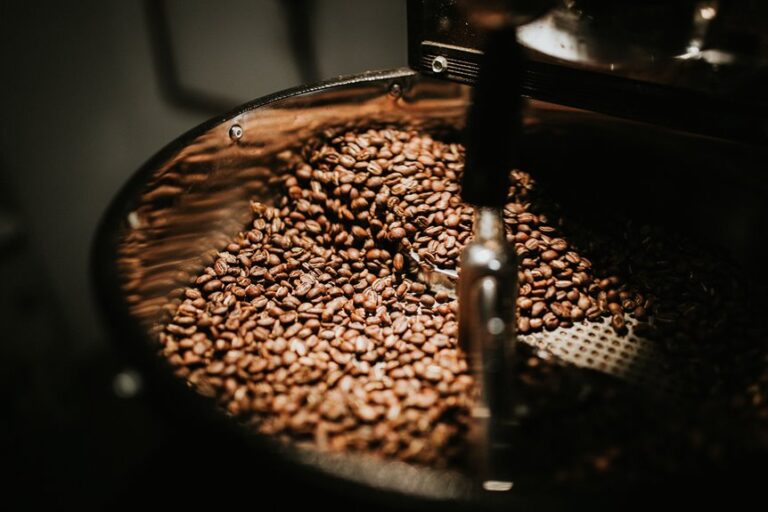
- roasting techniques that bring out clean flavor profiles
- brewing methods and origin transparency that match your routine
Experiential Coffee Culture
More than ever, specialty coffee feels like a small experience you step into, not just a drink you grab on the run. You join coffee rituals that make mornings feel yours, and you notice how social gatherings grow warmer around the cup.
Then café experiences invite you to linger, talk, and belong. At tasting events, you compare flavor profiles and learn how barista skills shape each sip.
Next, local traditions add meaning, while coffee tourism lets you discover neighborhoods through brewing methods and friendly faces. Because of that, community engagement keeps growing fast.
You don’t just buy coffee anymore. You share it, recall it, and feel part of something welcoming, one thoughtful cup at a time.
How Health Trends Are Changing Coffee Choices
Health trends are changing the way many people drink coffee, and that shift is easy to see in both cafes and kitchen counters. You’re likely choosing coffee that fits your body, your routine, and your values. Many drinks now promise health benefits, match dietary preferences, and use organic options. Others offer caffeine alternatives or act as functional beverages with added protein or mushrooms.
- You might look for local sourcing.
- You might prefer ethical consumption.
- You might follow the wellness influence.
- You might pick lighter roasts or less sugar.
This change feels personal, but it also helps you belong with people who care about the same things.
How Instant Coffee Shapes Global Consumption
You can find instant coffee almost anywhere, from busy city shops to small stores in far-off places, so it makes coffee easy to reach for many people.
Because it travels well and sells in huge numbers, it helps shape coffee habits across countries and budgets.
And whenever you need a quick cup, its fast brewing time feels like a small win on a rushed day.
Instant Coffee Accessibility
Because it’s easy to find and simple to make, instant coffee has become a quiet force in how people drink coffee around the world. You can keep it in your kitchen, your bag, or your desk, and that ease helps you feel ready for a warm cup anytime.
With instant coffee innovations, the taste keeps getting smoother, while instant coffee affordability lets more people join in without stress.
- You save time on busy mornings.
- You need only hot water.
- You can share it with friends easily.
- You still get a familiar coffee ritual.
That mix of comfort and access matters because you don’t have to change your whole day to enjoy coffee. Instead, coffee fits your life, and that can make you feel right at home.
Global Market Penetration
As instant coffee became easier to make at home, it also began to reshape coffee habits far beyond one kitchen or one desk. In the global market, you can see how coffee demographics shift as more people join the routine. Your choices often reflect economic factors, pricing trends, and local budgets, so consumption patterns change from city to city.
At the same time, cultural influences keep each region distinct, even while the cup looks similar. You might notice market growth in places where people want familiar taste without extra cost. Regional preferences still guide demand, and that balance helps instant coffee fit many lives.
Because of this, it keeps expanding across borders while meeting everyday needs with a sense of comfort and shared belonging.
Brewing Speed Appeal
A hot cup in under a minute changes more than your morning routine. You feel included in a global rhythm where speed preferences matter, and instant coffee fits that beat. Its brewing methods cut wait time, so your day keeps moving.
That ease also shapes consumer behavior, because convenience factors matter as work, travel, or family pull you in many directions.
- You save time.
- You skip complex equipment.
- You still join shared coffee moments.
- You can match flavor profiles to your mood.
Technology impact and equipment innovations have improved taste, so instant coffee no longer feels like a compromise. It supports your small preparation rituals while respecting busy lives.
Whenever you want comfort fast, you don’t have to choose between belonging and efficiency.
How Sustainability Is Shaping Coffee Demand
Sustainability is changing how people choose coffee, and that shift is now hard to ignore. You want your cup to feel good in every way, so you notice sustainable sourcing, eco-friendly packaging, and fair trade labels fast. These choices support ethical consumption and cut your carbon footprint without asking you to give up flavor.
You also see more local production and organic farming, which help growers build climate resilience and keep coffee lands healthy. As brands share clear values, you feel like you belong to a crowd that cares, not just a crowd that buys.
That sense of shared purpose matters, because your morning coffee can match your beliefs and still taste great.
What Coffee Consumption Trends Mean Next
Because coffee habits keep changing, the next wave of demand will feel more personal, more practical, and a lot more selective. You’ll notice future preferences shaped by cultural influences and social media impact, while market fluctuations push shops to adapt fast.
Technological advancements also make ordering easier, so your daily cup can match your pace.
- Consumer education will help you compare beans and brew styles.
- Pricing strategies will matter as you want value without losing quality.
- Ethical sourcing will build trust and brand loyalty.
- Convenience factors will decide which cafés stay in your routine.
As these forces connect, you’ll see coffee choices feel less random and more like a shared habit. That shift can help you find places that fit your taste, your budget, and your values.
Frequently Asked Questions
Which Countries Have the Fastest-Growing Coffee Shop Culture?
You will see the fastest growing coffee shop culture in emerging markets like China, India, Vietnam, and Indonesia. In these countries, café innovations, cultural influences, and social experiences are reshaping neighborhoods and helping you feel part of a community.
How Do Coffee Prices Affect Consumption Trends Globally?
You will see higher coffee prices usually trim consumption, especially where price elasticity is strong. However, market fluctuations cannot fully stop your shared ritual. Many communities stick together, opting for cheaper brands instead of skipping coffee altogether.
What Role Do Age Groups Play in Coffee Drinking Habits?
Age groups significantly influence coffee drinking habits due to generational preferences and cultural influences. Younger people often enjoy trendy drinks while older drinkers tend to prefer classic brews. This dynamic helps create a sense of belonging within a shared and evolving coffee culture.
How Is Home Brewing Changing Coffee Consumption Patterns?
Home brewing shifts your coffee habits toward personalization, allowing you to save money, explore flavor experimentation, and connect with a community of enthusiasts. Equipment innovation makes brewing easier, while sustainability practices help you feel connected and responsible.
Which Coffee Formats Are Most Popular for Commuting Consumers?
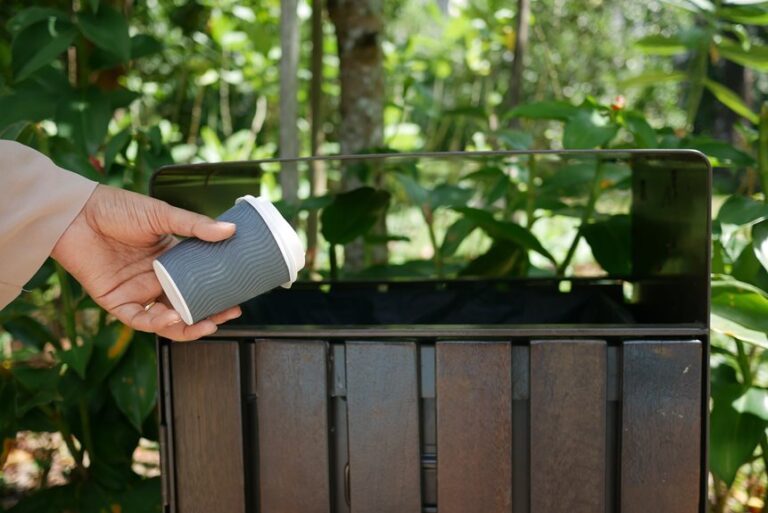
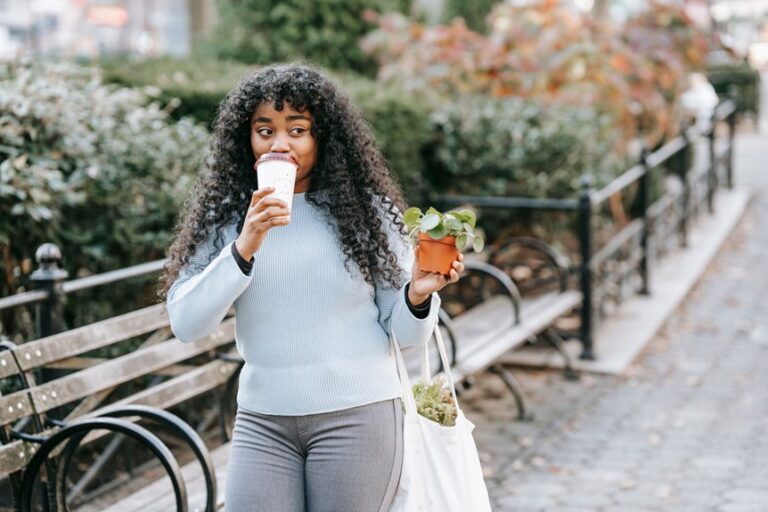
To-go cups dominate like a trusted travel companion. You usually choose them when convenience matters. Mobile orders save time and commuter preferences favor quick portable drinks that fit your routine and community.