
Coffee acidity varies widely, and several factors influence that bright, zesty flavor. Origin plays a big role; beans from certain regions tend to be more acidic. Altitude also impacts acidity, with higher elevations producing sharper profiles. The processing method can either amplify or mellow those tangy notes. Finally, the roast level and brewing technique round out the flavor experience, leading to a cup that can be crisp or smooth. Understanding these elements helps clarify why some coffees are more acidic than others.
What Does Coffee Acidity Mean?
Coffee acidity is one of those phrases that can sound a little confusing at the outset, but it’s really about the bright, lively taste you notice at the moment you sip a cup. You’re not tasting sourness alone; you’re noticing how that lift shapes coffee flavor and makes the drink feel fresh and crisp.
In many cups, acidity perception helps you tell one brew from another, because it can feel soft, sharp, or clean. Once you understand this word, you start to read your coffee with more confidence, and that can make each mug feel more personal.
Why Does Coffee Taste Bright?
Ever marvel why some cups feel so lively on your tongue? You notice bright flavors as coffee has a crisp, clean edge that wakes up your senses. That feeling comes from acids that your body reads through sensory perception, along with aromas and temperature.
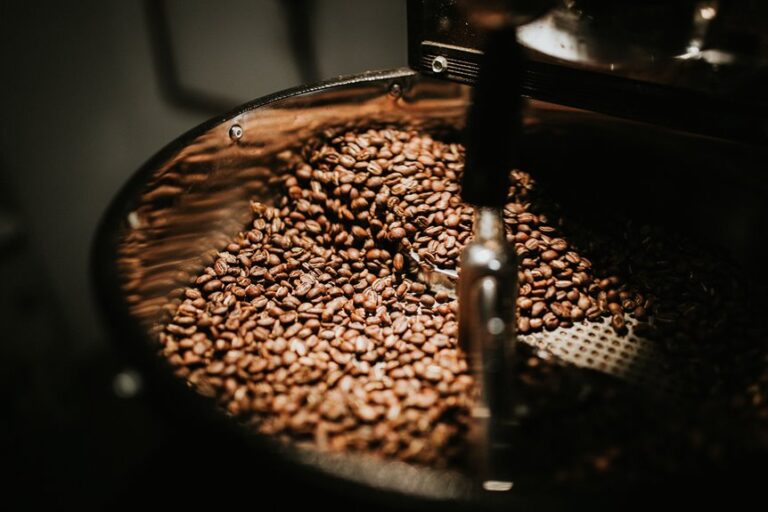
As you sip, your tongue and nose work together, so the cup can seem cheerful, sharp, or sparkling. Roasting also shapes this effect. A lighter roast often keeps more of the coffee’s natural lift, while a darker roast can soften it.
Grind size and brew time matter too, because they change how much brightness reaches your cup. So, whenever you enjoy a lively brew, you’re tasting a balanced signal that feels fresh, vivid, and inviting.
How Does Coffee Origin Affect Acidity?
Coffee origin can change acidity in a big way, and you’ll often taste that most in high-grown beans, which usually feel brighter and sharper.
Different regions also shape flavor in their own way, so you could observe citrus from one place, berry-like hints from another, or a softer, rounder cup somewhere else.
Processing methods matter too, because washed coffees often taste cleaner and more lively, while natural processes can add sweetness that smooths out the edge.
Altitude And Acidity
At the time a coffee grows at a higher altitude, the cool air slows the cherry’s ripening and gives the bean more time to build sharp, lively acids. You’ll often taste that brightness as a cleaner snap in the cup, and it can feel welcoming whenever you want a lively brew.
Altitude works with soil composition and varietal differences, so the same farm can still give you different results.
- Higher farms usually keep cherries slower to mature
- Cooler nights help acids stay vivid
- Lower heat can soften heavy sweetness
- Dense beans often hold more sparkle
- Careful picking protects that brightness
Regional Flavor Profiles
Where coffee grows can shape its acidity just as much as how it’s processed, because each region gives the beans its own set of clues to follow.
You can taste this terroir influence in bright East African coffees, which often feel lively and crisp, while many Central American coffees lean cleaner and more balanced.
In South American cups, you might notice softer citrus flavors and a gentler bite that support flavor balance instead of pushing sharpness.
Climate, soil, and local growing conditions all work together, so your cup carries a clear sense of place.
Whenever you try coffees from different origins, you’re not just tasting beans. You’re joining a wider coffee story, one region at a time, and finding the style that feels most like home.
Processing Method Differences
Processing can change a coffee’s acidity just as much as the farm itself, because it decides how much of the bean’s natural brightness stays in the cup.
Whenever you choose wet processing, you usually get a cleaner, sharper taste, since the fruit comes off fast and more flavor compounds shine through.
With dry processing, the coffee dries inside the fruit, so you often taste a deeper, sweeter cup with softer acidity.
- Wet processing can highlight crisp citrus characteristics.
- Dry processing can mute sharp edges.
- Longer fermentation time can raise or smooth acidity.
- Careful bean selection helps protect delicate flavors.
- Coffee terroir still matters, but processing can guide it.
Why Do Altitude and Climate Matter?
Upon tasting coffee from high-altitude farms, you often notice a brighter, sharper acidity because cooler air slows the coffee cherry’s growth.
Climate also shapes the flavor, since rain, sunlight, and temperature all guide how much sweetness and complexity end up in your cup.
High Altitude Growth
At high altitudes, coffee plants grow in cooler air, and that change matters more than you might realize.
In coffee geography, the higher farm often gives you real altitude benefits, because beans mature slowly and stay dense. That slower pace can support brighter acidity, and you can taste the lift in the cup.
- You get tighter beans with more structure.
- You notice cleaner, sharper flavors.
- You often see better balance in the brew.
- You could enjoy a lively finish.
- You feel connected to the growers’ mountain work.
Climate’s Flavor Impact
Because coffee cherries develop under a mix of sun, rain, wind, and temperature shifts, climate shapes flavor just as much as altitude does. In different climate zones, your beans build flavor compounds at a different pace, so one cup can taste bright while another feels softer.
Seasonal variations matter too, because steady warmth, cool nights, or sudden storms change how the plant grows. Whenever weather patterns stay balanced, you often get cleaner acidity and a lively cup. Should rain come too often or too late, the plant feels environmental stress, and that can shift sweetness and sharpness.
Soil composition also works with climate, so you’re tasting a team effort, not just one factor. That’s why each origin feels like a familiar place with its own voice.
How Does Coffee Variety Change Acidity?
Coffee variety can change acidity in a big way, and that’s why two cups that look the same can taste totally different.
Whenever you learn about coffee genetics, you start to see why some beans feel bright while others seem soft and round. Those varietal differences shape the acids you notice in the cup, and they help you find a style that fits you.
- Ethiopian heirlooms often taste lively
- Bourbon can feel sweeter and balanced
- Typica might show clean, gentle acidity
- Geisha often brings a sparkling edge
- Caturra can taste crisp and clear
How Does Processing Affect Coffee Acidity?
Processing changes acidity through changing how much of the bean’s natural tartness stays in the cup, and that can shift the whole mood of your coffee. You can taste brighter flavors as fermentation impact is shorter and cleaner, while longer, wilder fermentation can add sharpness or a tangy edge. Drying methods matter too, because slow, even drying helps keep flavors balanced, but uneven drying can make acidity feel harsher.
| Processing choice | Acidity effect |
|---|---|
| Washed | Cleaner, brighter |
| Honey | Soft, sweet-tart |
| Natural | Fruitier, bolder |
| Long fermentation | More intense |
| Careful drying | Smoother finish |
As you learn these steps, you can choose coffees that fit your taste and feel more at home with every cup.
How Does Roast Level Change Coffee Acidity?
Roast level can change coffee acidity in a big way, and the shift starts as soon as heat works on the beans.
You’ll notice that light roasts keep more bright, lively acids, while darker roasts soften that sharp edge. That’s why your cup can taste crisp one day and rounder the next, even as the beans come from the same place.
- Light roast shows more sparkle
- Medium roast keeps a balanced lift
- Dark roast lowers sharp acidity
- Roast intensity shapes sweetness too
- Flavor balance feels smoother as roast deepens
How Does Brewing Affect Acidity?
Brewing can change acidity just as much as roast level, and sometimes even more in the cup you actually drink. As you raise brewing temperature, you pull out brighter compounds faster, so the coffee can taste sharper.
Should you extend extraction time, you might soften that edge, but too much can make the cup feel harsh. Your grind size matters too, because a finer grind gives water more surface to touch, while a coarser grind keeps more of the lively acids in place.
Water quality also shapes the result, since clean, balanced water helps you taste the brew clearly instead of muddying it.
Which Coffees Are Least Acidic?
Should you want a gentler cup, start with coffees that naturally taste smoother and less sharp. You’ll usually find the least acidic choices in dark roasts, cold brew, and certain low acid options from Brazil, Sumatra, and Nicaragua.
These coffees often show chocolate, nut, or spice tasting hints instead of bright citrus.
- Choose dark-roasted coffee blends for softer edges
- Try cold brew whenever you want lower bite
- Look for Arabica beans with good flavor balance
- Use brewing methods like immersion for a rounder cup
- Pick a beverage pairing, like milk or toast, to ease sharpness
Whenever you compare bags, trust tasting hints and don’t fear gentle coffee. You belong at the table, and your cup can fit your taste.
Frequently Asked Questions
Can Water Quality Change Coffee Acidity?
Yes, water quality can influence your coffee’s acidity like a tuning fork. You will notice that mineral content and pH levels change extraction, so your brew might taste brighter or smoother, helping you feel right at home.
Does Grind Size Affect Perceived Acidity?
Yes, finer grinds can enhance the perception of acidity because they speed up extraction time. With effective grinding techniques, you can brew brighter cups like many others. In contrast, coarser grinds often deliver a smoother, less sharp, and more rounded flavor profile.
Are Darker Roasts Always Gentler on the Stomach?
Not always. You may notice a dark roast feels smoother, but coincidence can surprise you. Some still upset your stomach. Different roast types shape flavor profiles, yet your body reacts to brew strength, preparation, and personal sensitivity.
Do Decaf Coffees Taste Less Acidic?
Yes, you will often notice a lower acidity perception in decaf flavor since decaf can taste smoother and softer. You are not alone when it feels gentler. Your cup can still stay rich, warm, and familiar.
Can Milk Reduce Coffee Acidity?
Yes, you can use milk to soften the sharpness of coffee. Different types of milk can lower acidity levels slightly, making your cup more enjoyable and comfortable in your routine.