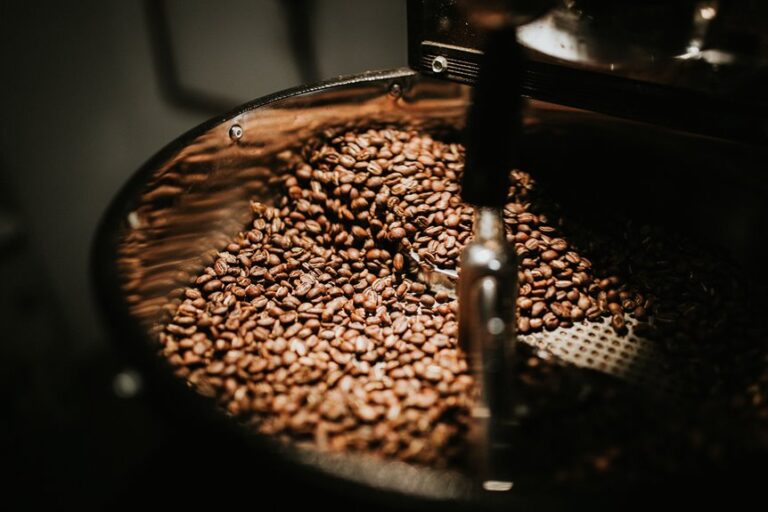

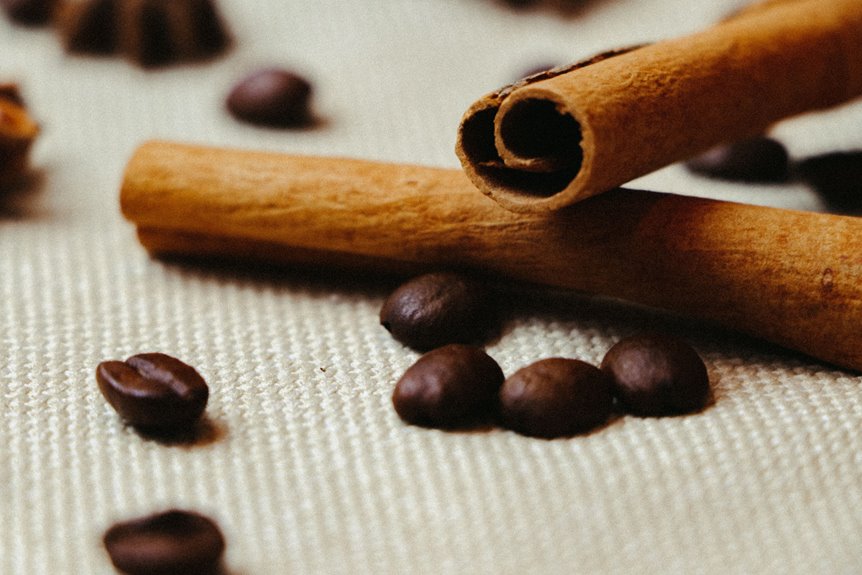
Coffee isn’t just about the taste; it starts with the aroma. When you take in that rich scent, you’re experiencing a mix of aroma compounds that shape your flavor expectations. Sweet, nutty, fruity, or roasted notes all play a role, and the roasting and brewing processes tweak those profiles even further. Ever wondered why one coffee feels different from another? The answer lies in those aromatic nuances that set each cup apart.
What Coffee Aroma Compounds Are
Coffee aroma compounds are the tiny natural chemicals that give coffee its smell and help shape its flavor before it even touches your tongue.
As you lift a warm cup, you meet a mix of coffee volatile compounds that can feel sweet, nutty, floral, or smoky. These bits come from the beans themselves and from roasting, which changes them in many ways.
During sensory evaluation, you notice them through your nose initially, and that preliminary signal helps you feel more at home with the cup. You don’t need expert skills to spot them. You only need to slow down, breathe in, and trust what you sense.
That simple moment can make coffee feel more personal, more familiar, and a little more welcoming.
How Coffee Aroma Shapes Flavor
Those coffee aroma compounds do more than smell pleasant, because they also steer how you taste each sip. As you breathe in the steam, your brain starts building flavor before the liquid reaches your tongue.
That’s why aroma perception can make a cup feel brighter, sweeter, or fuller, even while the brew stays the same. In your sensory experience, scent and taste work as a team, so a nutty hint can soften bitterness while a fruity touch can add lift.
You’re not just drinking coffee; you’re joining a layered moment that feels warm and familiar. And as the aroma opens up, your mind fills in details fast, helping each sip feel richer, deeper, and more inviting.
The Coffee Aroma Compounds That Matter Most
You’ll observe that a few key volatile compounds do most of the heavy lifting, shaping the scents you catch initially in a fresh cup.
Roasting then changes those aromas fast, bringing out warm, nutty, caramel, or smoky undertones that can feel bold or gentle depending on the roast.
And because coffee grows in many places, origin-specific undertones can add fruit, floral, or chocolate hints that make each cup feel a little more personal.
Key Volatile Compounds
A handful of tiny aroma molecules do most of the heavy lifting in coffee, and once you know them, the whole cup starts to make more sense. You can spot a few star players that shape your sensory perception and guide volatile extraction. | Compound | What you might observe |
| — | — |
|---|---|
| Furans | Sweet, caramel-like notes |
| Pyrazines | Nutty, earthy hints |
| Aldehydes | Fresh, green edges |
| Esters | Fruity, bright lift |
At the time these compounds work together, you feel a cup that seems lively, calm, or cozy. For example, furans soften harsh edges, while pyrazines add depth that can feel familiar and grounding. So, as you smell coffee, you’re not guessing alone. You’re joining a shared language of scent that helps you trust your own cup.
Roasting-Driven Aromas
Roasting turns green coffee into the rich, familiar smell most people love, and that change comes from a few powerful compounds that form as heat starts doing its work.
You’ll notice pyrazines initially, because they bring nutty, toasted hints that make the cup feel warm and inviting. Then furans add sweet, caramel-like aromas that soften the edges and help you feel at home with each sip.
Meanwhile, sulfur compounds can lift aroma intensity with bold, savory touches, so the coffee never feels flat. As roasting continues, these scents shift together, and that blend creates sensory balance.
At the moment you learn these roasting-driven aromas, you can taste how heat builds comfort, depth, and the kind of familiar welcome that keeps you coming back for another cup.
Origin-Specific Notes
Because coffee grows in many places, its aroma can shift in ways that feel almost like little accents from the land itself. You can taste that in floral hints from Ethiopia, fruity undertones from Kenya, and earthy tones from Sumatra. These origin clues help you feel at home with each cup, because they tell a story you can trust. | Origin | Common Hints |
| — | — |
|---|---|
| Ethiopia | floral hints, citrus flavors, fruity undertones |
| Colombia | caramel sweetness, nutty hints, chocolate subtleties |
| Sumatra | earthy tones, herbal qualities, spicy accents |
When you notice wine-like characteristics in some beans, or a bright lift in others, you’re sensing place, not just roast. That’s why origin matters so much. It guides your palate toward the cup that fits you best, and it makes every sip feel a little more personal.
How Roasting Changes Coffee Aroma
As you roast coffee, heat sparks Maillard reactions that build warm, sweet, and toasty aromas from the beans’ natural sugars and amino acids.
As the roast gets lighter, you keep more of the bright, fruity flavors, while darker roasts shift toward bolder, smokier scents.
That means you can change how your coffee smells and tastes simply through changing the roast level.
Maillard Reaction Aromas
As your coffee beans heat up, they begin a busy set of chemical changes that can turn a plain green seed into something rich, warm, and deeply inviting. You encounter Maillard formation as sugars and amino acids react, and that’s where much of the magic starts. This reaction builds toasty, nutty, and bready characteristics that shape aroma development in your cup.
| Aroma characteristic | What you might observe |
|---|---|
| Toasted bread | Warm, familiar comfort |
| Nuts | Soft, savory depth |
Because these aromas rise together, you can sense a fuller, friendlier brew before you even sip. During roasting, your beans also release new scent molecules that blend into the mix, helping you feel right at home with each fragrant pour.
Roast Level Effects
Roast level changes the way coffee smells, and it can shift the whole mood of your cup. With a light roast, you notice bright fruit, flowers, and a lively aroma intensity that feels fresh.
As the roast deepens, heat reshapes those characteristics, and your sensory perception moves toward cocoa, spice, and toast. A dark roast brings bolder smoke, less acidity, and a heavier finish, which can comfort you like a familiar song.
Because roasting techniques control time and temperature, they guide profile development and flavor balance in clear ways.
How Brewing Releases Coffee Aroma
Brewing wakes up coffee’s concealed aroma through mixing hot water with ground beans, and that simple contact starts a fast chain of release. You help those aromas rise when you use the right brewing methods, because heat and water pull volatile oils from the grounds.
As the coffee blooms, trapped gases escape, and aroma extraction becomes stronger. Should you pour steadily, you give the grounds time to open, so the scent feels fuller and warmer. Should you brew too fast, you lose some of that lift, and the cup can seem quiet.
Still, you’re in good company either way, because each brew gives you a fresh chance to notice what’s happening. With a little attention, your kitchen fills with a cozy, welcoming smell that makes coffee feel personal.
Why Coffee Origin Changes Aroma
Coffee’s aroma changes a lot from one origin to another because the bean carries the story of where it grew. You can taste that story in geographical influences, from rich soil to rain patterns.
Climate impact shapes how sugars and acids develop, so each cup feels different. At higher farms, altitude effects slow growth and often brighten the aroma.
Then cultivation methods matter too, because shade, picking time, and care all guide flavor. Processing techniques also leave a mark, whether you get fruity hints or cleaner tones.
Varietal differences add another layer, giving you floral, nutty, or spice-like scents. Together, these factors show terroir significance and explain the regional profiles you notice in every bag.
That’s why origin isn’t just a label, it’s part of your coffee’s identity.
How to Train Your Nose for Coffee Aroma
Where do you even start at the moment you want to perceive coffee aroma more clearly? Begin with nose training that feels friendly, not fancy.
Use coffee cupping to build aroma memory, then match what you smell with an aroma wheel. This aids scent recognition and olfactory development at the same time.
Try tasting exercises with dried fruit, cocoa, nuts, and flowers, so your brain makes stronger smell associations.
Next, practice sensory evaluation with one cup and one observation at a time. You can compare origins, roast levels, and flavor pairing ideas with friends, because shared practice makes you feel less alone.
Repeat often, and your nose will learn faster than you realize. Gentle patience matters, and every small win grows your confidence.
How to Taste Coffee Aromas Like a Pro
Once you’ve trained your nose, tasting coffee aromas like a pro becomes much easier, because you already know what to look for.
Start your coffee tasting by inhaling softly over the cup, then pause and name the flavors you notice, like fruit, nuts, chocolate, or flowers.
Next, sip a little, let it spread across your tongue, and breathe out through your nose. That step lifts concealed aroma compounds and sharpens aroma evaluation.
Should you get stuck, compare the cup to a familiar memory, like toast or berries.
You’re not alone when the initial tries feel awkward; everyone in the coffee crowd starts there.
With practice, you’ll spot cleaner, sweeter, and brighter aromas faster, and your confidence will grow right along with your palate.
Frequently Asked Questions
How Do Storage Conditions Alter Coffee Aroma Over Time?
You will notice that storage temperature, packaging materials, humidity levels, and light exposure gradually affect your coffee’s aroma. Warmth, moisture, oxygen, and light can accelerate staling, while airtight and opaque storage helps maintain richer and fresher flavors for a longer time.
Can Coffee Aroma Compounds Affect Perceived Caffeine Strength?
Yes, they can. Your brain associates aroma intensity with caffeine perception. A bold smell can make coffee seem stronger even though the caffeine content remains the same. You are not imagining it; scent and expectation influence how you experience flavor.
Do Decaffeinated Coffees Retain the Same Aroma Profile?
Not exactly. You will often notice that decaffeinated coffees retain many aroma compounds, but the methods of decaffeination can soften or alter them. You are still within the coffee circle, though, and careful roasting helps preserve familiar fragrances.
How Does Grind Size Influence Aroma Retention Before Brewing?
Finer grounds are like open windows because they let aroma escape faster before brewing. You will keep more fragrance if you use a consistent grind, seal it quickly, and share that fresh scent with your coffee circle.
Can Water Mineral Content Change Coffee Aroma Perception?
Yes, the mineral content of your water can alter aroma perception through the interaction of minerals. This can enhance or dull the aroma. You may notice brighter and sweeter hints as the minerals complement your brew, creating a familiar and comforting experience.