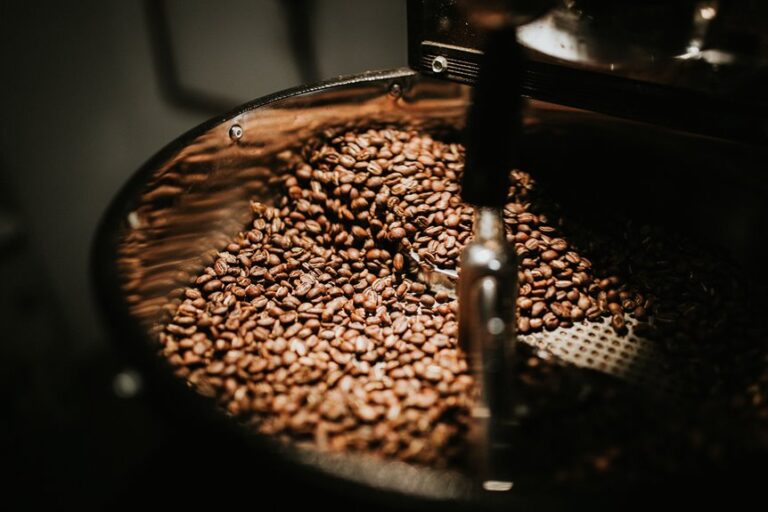


Ever wondered why the smell of coffee is so irresistible? It all starts with roasting, where heat activates countless aroma compounds in the beans. This process brings out delightful notes like sweetness, nuttiness, and chocolate. Once brewed, those fragrant oils are released into the air, creating an inviting aroma. Freshly ground beans deliver the most intense scent, and factors like grind size and personal memories can influence how you experience that smell.
What Makes Coffee Smell So Good?
Whenever coffee smells rich and warm, it’s not just your imagination doing the heavy lifting. You’re picking up aroma compounds that rise fast and meet your olfactory response. Those tiny signals shape your sensory experience before you even sip.
As you brew, water, heat, and grind size guide chemical reactions that release flavors you could read as chocolate, nuts, or fruit. That’s why your flavor profile can feel deeper than taste alone. Fresh beans usually signal stronger freshness indicators, so the scent feels brighter and more alive.
Coffee also carries cultural significance, since shared cups help you feel connected in kitchens, offices, and cafés. Different brewing methods can shift the smell, too, so your favorite cup might invite you in before it even touches your lips.
How Roasting Creates Coffee Aroma
Roasting is where coffee’s smell starts to turn bold and familiar. As the beans warm, you watch simple green tones give way to sweet, nutty, and toasty scents that feel comforting right away.
Heat sparks chemical changes, and aroma compounds form, break apart, and mix into new layers. Darker roasting techniques can bring out cocoa, caramel, or smoky hints, while lighter ones keep brighter, fruitier edges.
You don’t just get one smell, either. You get a whole crowd of scents working together, like friends in a busy café.
That’s why roasting matters so much: it shapes the aroma you’ll perceive before the cup ever reaches your hands, and it helps coffee feel warm, welcoming, and unmistakably yours.
How Brewing Releases Coffee’s Fragrant Oils
As you brew coffee, heat wakes up the fragrant oils locked inside the grounds.
As steam rises, it carries those oils into the air, and that’s what reaches your nose initially.
Heat Unlocks Aromas
Heat does more than warm your mug, because it wakes up coffee’s concealed aromas and lets them drift into the air. As hot water meets ground beans, you trigger heat activation, and aroma compounds begin to escape from the coffee’s rich oils.
That’s why your kitchen can feel inviting in seconds. You don’t just smell coffee; you join a small, shared moment that says, “You’re here, and this cup is for you.”
As the brew settles, the scent grows fuller and brighter, helping you feel comfort before the initial sip. Even a simple pour can change the air around you, turning an ordinary break into a familiar ritual.
Heat gives coffee its friendly voice, and you catch it right away.
Oils Rise With Steam
As steam climbs from the cup, it carries tiny oil droplets with it, and that’s a big part of why coffee smells so rich and alive. You can consider each sip as a small burst of scent sharing.
During brewing, heat helps oil evaporation happen faster, so the fragrant compounds escape from the grounds and ride the steam release into the air around you. That warm cloud reaches your nose before the initial taste, and it makes the moment feel welcoming, like your mug is greeting you.
Because coffee oils hold so much aroma, even a quiet kitchen can feel full of comfort. As you lean in, you’re not just smelling coffee. You’re catching those lifted oils, and they’re inviting you in.
Why Coffee Smells Sweet, Nutty, and Chocolatey
Upon detecting coffee that feels sweet, nutty, or chocolatey, you’re noticing flavors that form during roasting.
The Maillard reaction creates many of those warm, rich hints as sugars and amino acids react together.
Your roast profile also shapes the aroma, so a lighter roast can seem brighter while a darker roast brings out deeper, toastier scents.
Maillard Reaction Notes
Behind that warm, inviting coffee smell is a little kitchen chemistry called the Maillard reaction, and it’s a big reason your cup can seem sweet, nutty, and even chocolatey before you ever take a sip.
As heat meets natural sugars and amino acids, Maillard chemistry creates new aroma compounds that drift up with comfort and depth. You might observe these hints most at the time the beans have had enough time to brown, because that’s at the point the scent grows rounder and richer.
This is why your kitchen can feel cozy fast, like a familiar café greeting you with your name. So at the moment you lean in and breathe deeply, you’re catching the scent of flavor building itself, one small reaction at a time.
Roast Profile Aromas
A roast profile shapes the smell of coffee more than many people realize, and it does it in a very personal way.
As you choose lighter roast profiles, you often notice brighter sweetness, soft nuts, and a gentle fruit lift. As the roast gets deeper, you’ll smell richer chocolate, toasted sugar, and warm caramel. That shift gives you aroma complexity, because each stage opens a new layer you can enjoy.
You’re not just smelling beans; you’re joining a familiar ritual that feels comforting and shared. Even small changes in heat and time can move the scent from crisp to cozy.
Why Fresh Coffee Smells Better Than Stale Coffee
Fresh coffee smells better than stale coffee because its scent is still alive and full of tiny aroma oils that escape into the air. You notice the freshness impact right away, and the aroma intensity feels warm, bright, and inviting.
As you open the bag, the smell greets you like a familiar friend, which helps you feel part of a small coffee moment. As time passes, those lively aromas fade, so stale coffee can seem flat and distant.
Fresh beans hold more character, and that gives your kitchen a richer, cozier feel. Even before you sip, the scent can lift your mood and make breakfast feel shared. That quick burst of fragrance tells you the coffee is ready to welcome you in.
How Grind Size Changes Coffee Smell
As you grind coffee finer, the smell usually gets stronger immediately because more bean surface meets the air. You can feel that grind impact in the kitchen fast, and the aroma intensity rises like a friendly wave. Coarse grounds hold their scent longer in the bag, while medium grounds release a steady, balanced smell. Fine grounds give off a bold burst, almost like they’re enthusiastic to greet you.
| Grind | Smell | Best moment |
|---|---|---|
| Coarse | Soft | Before brewing |
| Medium | Clear | While measuring |
| Fine | Strong | Right after grinding |
Why Coffee Smell Triggers Memory and Comfort
That same strong grind smell can do more than wake up your senses. It can pull you into memory associations fast, because your brain links scent with moments, places, and people.
As you catch that coffee aroma, you might reflect on early mornings with family, quiet chats with a friend, or a calm break before a busy day. These sensory triggers feel powerful because smell goes straight to the parts of your brain that hold emotion and memory.
Simple Ways To Make Coffee Smell Better
Should you want your coffee smell to feel warmer and richer, a few small changes can make a big difference. You can grind beans fresh, brew right away, and keep your canister sealed tight. Then your kitchen fills with a bold aroma that feels like your own little café.
| Tip | What You Do | Scent Lift |
|---|---|---|
| Fresh grind | Grind before brewing | Stronger top notes |
| Clean gear | Wash filters and pots | Less stale smell |
| Warm mug | Rinse with hot water | Softer steam aroma |
| Spice add-in | Try cinnamon or cardamom | Cozy scent layering |
| Better storage | Keep beans cool and dark | Longer freshness |
These simple steps also support flavor improvement, so every cup smells inviting. As you follow them, you join the warm crowd that knows coffee can feel like comfort in a mug.
Frequently Asked Questions
Does Decaf Coffee Smell Different From Regular Coffee?
Yes, you will often notice a slight difference. The decaf processing can remove some aroma compounds, so your cup might smell milder. However, you still get that familiar coffee scent and remain part of the morning crowd.
Why Does Coffee Smell Stronger in Some Cafes?
You will notice stronger coffee aromas in cafes with fresh beans, a cozy cafe ambiance, and brewing methods like espresso or pour-over. For example, a small neighborhood shop that grinds beans hourly makes you feel instantly welcomed.
Can Coffee Aroma Change With Altitude?
Yes, your coffee aroma can change with altitude. Altitude effects alter aroma compounds, and brewing methods along with bean origin shape the scent you notice. You will taste belonging in every cup wherever you share it.
Do Different Water Types Affect Coffee Smell?
Yes, different water types can shape your coffee’s smell. With balanced water mineralization and brewing temperature, you will reveal brighter aromatics. If there is too much or too little, the bouquet fades. You are part of the flavor crew.
Why Does Spilled Coffee Smell Different From Brewed Coffee?
Spilled coffee smells different because you expose more surface area, causing volatile compounds to evaporate quickly and altering the aroma. During brewing, heat extracts fresher flavors, while old grounds and oxidation can dull them.