

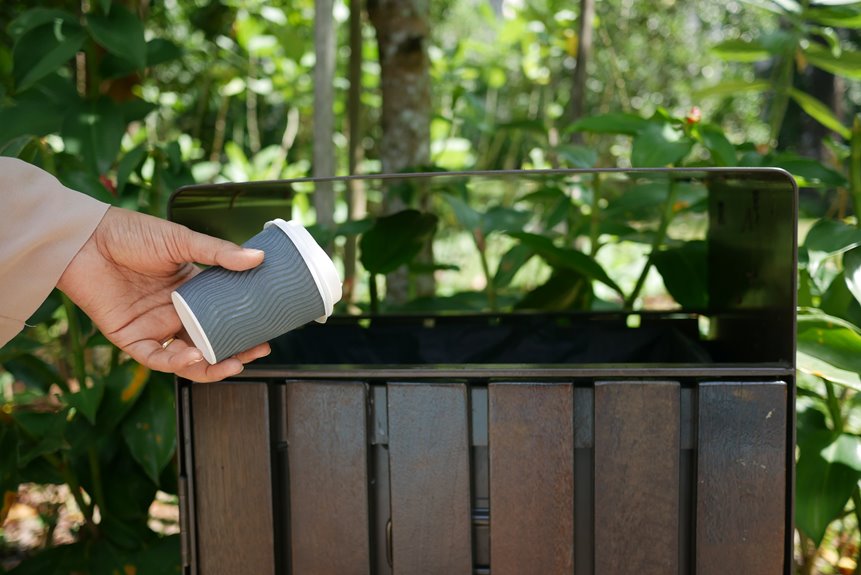
Absolutely, you can compost coffee grounds! They’re a fantastic addition to your compost pile. Not only do they provide nitrogen, but they also nourish beneficial microbes and decompose quickly. Just be careful not to add too many at once, as that can compact the mix and hinder airflow. So, if you enjoy your daily brew, you’re sitting on a valuable compost ingredient that can supercharge your garden!
Can You Compost Coffee Grounds?
Yes, you can compost coffee grounds, and they can be a helpful addition to your pile whenever you use them the right way. You fit them in easily, and your compost crew can work with them fast.
Because coffee acidity can seem tricky, you might question whether your pile will stay balanced. It can, as long as you mix the grounds with dry browns like leaves or paper. That simple step helps nutrient retention, too, so your finished compost holds more of what your plants need.
You don’t need special tools or skills, just steady mixing and a little care. Should you save grounds from your morning cup, you’re already building a stronger garden routine that feels practical, welcoming, and kind to the earth.
Why Coffee Grounds Help Compost
Coffee grounds help compost because they bring both food and structure to the pile, and that makes your pile work more smoothly.
You get a nice nutrient enhancement, which helps feed the tiny helpers that keep compost moving. The grounds also act like a soil amendment, so they fit right in with leaves, fruit scraps, and other green materials.
Whenever you add them, you help balance your pile and create a mix that feels more complete. That matters because a healthy pile can support your garden later on.
Should you be building compost with care, coffee grounds can make you feel like you’re doing something useful, not just tossing waste. They’re a small habit with a big payoff, and that’s a pretty good team effort.
How Coffee Grounds Break Down
As you add coffee grounds to a compost pile, they start to decompose fairly fast because their small size gives microbes more surface to work with.
You’ll notice microbial activity picking up as tiny organisms feed on the grounds and spread through the pile. Initially, the grounds might clump, but moisture and airflow help them soften and blend in.
Then the dark material begins nutrient breakdown, which turns old coffee bits into food your compost can share with soil later. Should your pile feel lively and warm, that’s a good sign the process is moving well.
You’re not doing anything tricky here, just giving nature an enhancement. With time, the grounds fade into the mix and become part of something useful for everyone.
How Much Coffee Grounds Should You Add?
You’ll get the best results whenever you keep coffee grounds to a modest share of your compost and mix them with plenty of browns, like dry leaves or shredded paper.
Add them in small batches so they don’t clump together, and spread them out well each time.
Should you make frequent additions, your pile stays balanced and keeps working without getting soggy or sour.
Ideal Coffee-to-Brown Ratio
Whenever you add coffee grounds to compost, the right balance matters more than the exact scoop. You’ll get the best coffee ratios when you pair each dark, wet layer with enough dry browns to keep compost balance steady.
Consider it like a cozy lunch table for microbes, where everyone gets a seat.
- Aim for about one part coffee grounds to three parts dry leaves, shredded paper, or straw.
- In case your pile feels soggy or smells sharp, add more browns right away.
- Should it look dusty and barely warms up, tuck in a little more coffee.
That mix helps your pile breathe, hold moisture, and stay friendly for decomposition.
You don’t need perfection here. You just need a steady mix that feels workable, and your compost will start to feel like home.
Small Batches, Frequent Additions
A balanced mix sets the stage, but the amount one adds at one time matters too. You don’t need a mountain of coffee grounds to help your pile.
In composting techniques, small batches work best because they spread out moisture and prevent clumps. Add a thin layer, then cover it with dry browns like leaves or shredded paper. This keeps air moving and supports nutrient balance, so your compost stays friendly to worms and microbes.
Should you save grounds in a container, you can sprinkle them in every few days instead of dumping them all at once. That steady rhythm helps your pile stay warm, active, and easy to manage.
With each small addition, you’re building a stronger compost team that works together.
How to Balance Coffee Grounds With Browns
Coffee grounds bring a lot of nitrogen to your compost pile, so they need dry, carbon-rich browns to keep things steady and healthy. You can consider this as a friendly team effort.
The coffee ground benefits show up best whenever you balance them with leaves, shredded paper, or straw. These composting techniques help you avoid soggy clumps and that sour smell nobody wants near the garden.
- Mix one part grounds with two or three parts browns.
- Layer them like a cozy blanket, not a wet mat.
- Stir the pile so air can move through it.
As you maintain that balance, your compost feels more welcoming, and your pile works like a happy neighborhood instead of a crowded kitchen sink.
How to Add Coffee Grounds to Compost
You can add coffee grounds through keeping the mix balanced, so they don’t overpower your compost pile.
Sprinkle them in thin layers with browns like dry leaves or shredded paper, and this helps them blend in instead of clumping up.
When the pile feels dry, add a little water and turn it now and then, because moisture and mixing help the grounds decompose smoothly.
Coffee Ground Balance
Whenever you add coffee grounds to compost, balance matters, because too much of one ingredient can throw the whole pile off. You can enjoy coffee benefits and still keep your pile friendly, rich, and active.
Consider your compost as a small community that works best whenever every part has a job. Try these composting tips:
- Sprinkle grounds in thin handfuls, not heavy clumps.
- Mix them in after each coffee run so they spread out.
- Watch the pile’s feel; it should stay moist, not soggy.
As you add grounds this way, you help air move through the heap and support steady breakdown.
In case the pile starts to look dark and compact, slow down and give it a lighter touch. That keeps your compost welcoming for every ingredient and every gardener.
Layering With Browns
A balanced compost pile needs more than coffee grounds alone, so brown materials help steady the mix and keep it working well.
You can envision compost layering like building a cozy stack for your garden crew. Start with a thin bed of brown materials such as dry leaves, shredded paper, or straw.
Then add your coffee grounds in a light layer. Cover them again with more browns so the grounds don’t sit on top alone.
This pattern helps you join the pile with confidence and keeps everything easy to manage. Keep repeating the layers as you add kitchen scraps and grounds.
As you follow this simple rhythm, your compost layering feels neat, friendly, and far less messy than tossing it all in at once.
Moisture And Mixing
Should the pile start to feel too wet, coffee grounds can be part of the fix, but only at the moment you mix them well with the rest of the compost. You want even moisture retention, not soggy clumps, so turn the pile after every fresh addition.
Then the grounds spread out and breathe with the browns, which helps your bin stay steady and friendly.
- Sprinkle grounds in thin layers.
- Add dry leaves or shredded paper.
- Blend with a shovel or fork.
These mixing techniques keep wet pockets from forming and help air move through the pile. Should you squeeze a handful and it feels like a wrung-out sponge, you’re right where your compost buddies want you.
As you keep mixing, the pile stays active, balanced, and much easier to trust.
How to Use Coffee Grounds in a Compost Bin
Coffee grounds can give your compost bin a real improvement whenever you use them the right way. You can sprinkle them in thin layers, then tuck them between dry leaves, shredded paper, or straw. This keeps your pile airy and supports healthy composting techniques.
Because grounds are rich and fine, you’ll get better results whenever you mix them well instead of dumping them in one clump. That helps protect nutrient balance and keeps the bin from turning soggy or compacted.
Should you save grounds in a container initially, add them a little at a time so the pile stays steady. You’re building a stronger mix, and your compost team will thank you, even though they’re mostly worms and microbes doing the heavy lifting.
Can You Use Coffee Grounds in Vermicompost?
Yes, one can use coffee grounds in vermicompost, and your worms can turn them into rich food for the soil.
The grounds bring helpful nitrogen and a nice texture, but it’s essential to use them sparingly so the bin stays balanced.
Should you add too much, you can stress your worms, so mix the grounds with other bedding and watch how the bin responds.
Coffee Grounds Benefits
Rich, dark coffee grounds can be a real helper in vermicompost whenever you use them the right way. You give your worms a gentle nutrient enhancement, and you also turn waste into a useful soil amendment that feels satisfying and smart.
- You mix a small handful with shredded paper, and your bin gets a cozy, earthy texture.
- You spread grounds in a thin layer, and the worms can work through them without feeling crowded.
- You blend them with food scraps, and the pile stays lively, balanced, and welcoming.
As you add coffee grounds carefully, you support the whole worm team. They decompose the mix, and you get rich castings that help your garden feel strong and full of life.
Worm Bin Precautions
Even though coffee grounds can help your worm bin, you still need to use them with care so your worms stay safe and comfortable. Add only a thin layer, then mix it with shredded paper, cardboard, or leaves so the bedding stays airy. This balance supports worm bin maintenance and keeps the pile from getting slimy.
Also, let fresh grounds cool before feeding them to the bin, because heat can bother your worms. Watch coffee acidity too, since too much can make the bedding less friendly for them.
Should you notice strong smells, sticky clumps, or worms avoiding one spot, ease up on the grounds and add more dry material. As you move slowly and check in often, your worm crew can thrive right alongside you.
Which Coffee Grounds Should You Avoid?
Not all coffee grounds belong in your compost pile, and that’s where a little caution can save you a lot of trouble. You can still fit in with the compost crowd by choosing the right coffee types and skipping harmful additives. Use these quick checks:
- Avoid flavored grounds with syrups or oils.
- Skip instant coffee mixes with creamers or sugar.
- Leave out grounds from drinks with artificial sweeteners.
These extras can slow breakdown and upset the balance you’re building.
In the event you brew plain black coffee, you’re usually in safe territory, and your pile will thank you with steady, earthy progress.
Whenever you’re sorting the grounds, trust your nose and the label. Should it smell more like dessert than coffee, it probably doesn’t belong.
Your compost team works best whenever you keep things simple, clean, and kind to the mix.
How to Fix Too Many Coffee Grounds
Should you have added too many coffee grounds, don’t panic, because you can still save the pile with a few simple fixes. Initially, mix in more brown material like dry leaves, shredded paper, or cardboard to balance the load. Next, turn the pile so air can move through it and break up soggy clumps. In case the grounds are still piling up, pause and check your coffee ground storage so you only add dry, spread-out grounds later. The chart below makes the fix easy:
| Problem | Fix | Result |
|---|---|---|
| Wet clumps | Add browns | Better balance |
| Sour smell | Turn pile | More air |
| Heavy layer | Spread grounds | Faster breakdown |
These composting tips help you feel confident and keep your pile friendly for the whole compost crew.
Other Uses for Coffee Grounds
Coffee grounds can do a lot more than feed your compost pile, which is great news should you hate waste and love a handy shortcut. You can join a small crowd of practical people who reuse them in smart, simple ways at home.
- Mix dried grounds with coconut oil for a gentle coffee scrub that leaves your skin feeling fresh.
- Sprinkle a thin ring near doors or planters as a pest deterrent, helping you guard your space.
- Keep a bowl in the fridge or closet to absorb stubborn odors.
These little uses fit easily into your routine, so you don’t need extra tools or fancy skills.
Whenever you reuse grounds this way, you make your home feel a bit more resourceful, and that can feel pretty good.
Can Coffee Grounds Improve Garden Soil?
Yes, used coffee grounds can help your garden soil whenever you incorporate them the right way, because they bring organic matter that feeds helpful microbes and improves texture over time. You can regard them as a quiet team player in your garden, not a magic fix. They might add small amounts of soil nutrients, and they can support worms that keep soil lively. Still, they won’t change garden pH much in most beds.
| Benefit | What You Notice |
|---|---|
| Better texture | Soil feels looser |
| More organic matter | Beds hold life better |
| Small nutrient enhancement | Plants get support |
| Microbe activity | Soil works harder |
As you use them with care, you help your garden feel more welcoming and steady for roots.
How to Compost Coffee Grounds the Right Way
Compost your used coffee grounds with care, and they can become a steady improvement for your compost pile instead of a soggy mess. You’re joining a smart, friendly habit that gives back to your soil.
- Sprinkle grounds in thin layers, then mix in dry leaves or shredded paper.
- Balance them with brown materials so the pile stays airy and active.
- Add grounds a little at a time, not in one heavy clump.
These compost tips help you enjoy coffee benefits without slowing decay. Should you toss in filters, choose unbleached ones, and tear them initially.
Keep your pile damp like a wrung-out sponge, and turn it now and then. With a simple rhythm, you’ll fit right in with gardeners who know small steps can make rich compost.
Frequently Asked Questions
Do Coffee Filters Compost Along With Grounds?
Yes, you can compost coffee filters with grounds as long as they are unbleached paper or other compostable filter materials. This will enhance compost benefits and help your pile feel naturally healthy, welcoming, and complete.
Can Espresso Grounds Be Composted Too?
Yes, you can compost espresso grounds too. Luxury waste becomes your garden’s humble hero. You will enhance espresso benefits for your pile, and these composting tips help you fit right into the green thumb crowd.
Will Coffee Grounds Attract Pests in Compost?
Yes, coffee grounds can attract pests when left exposed. However, you can avoid this problem by burying them well in compost. You will still enjoy the benefits of compost while keeping pests away from the coffee grounds.
Can Composted Coffee Grounds Acidify Garden Soil?
Not usually. Composted coffee grounds do not greatly acidify your garden soil. You will improve coffee acidity balance, support soil health and build a thriving compost blend. You are joining gardeners who nourish beds together with confidence.
Are Used Coffee Grounds Safe for Houseplants?
Yes, you can use used coffee grounds for houseplants sparingly. They can provide a nutrient enhancement and benefits for your plants. Mix them into compost initially or top-dress lightly to keep your plants happy and healthy.