
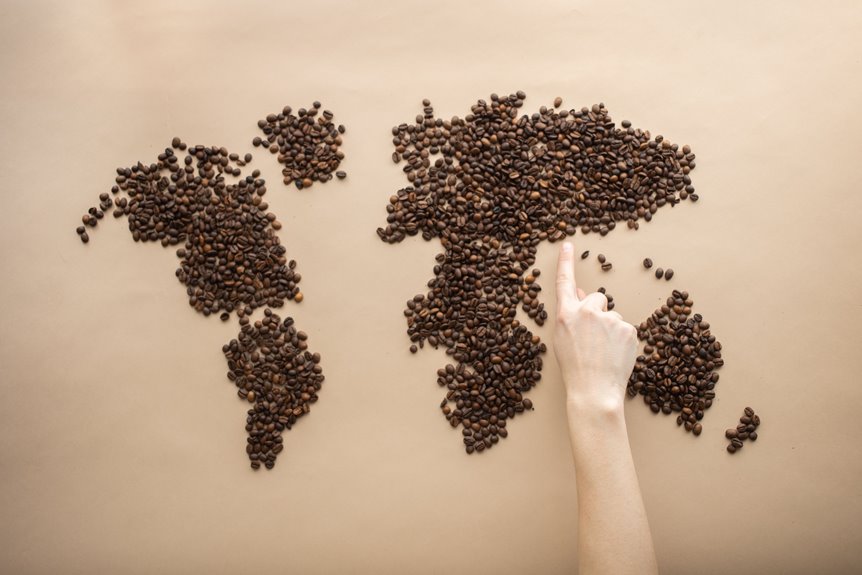
Coffee is more than just a drink; it’s a global ritual that brings people together. With over 2 billion cups consumed daily, coffee culture varies widely from place to place. In Italy, espresso is a quick boost, while Ethiopia celebrates coffee with a traditional ceremony. In Turkey, sipping slowly is the norm, and in Brazil, coffee is part of the daily routine. Morocco blends coffee with mint tea, showing how one beverage can reflect diverse traditions and social connections.
What Coffee Culture Means
Coffee culture means more than just drinking a cup of coffee in the morning. You step into a shared habit that helps people feel seen, welcome, and connected.
It can shape your day through small moments, like greeting a neighbor, pausing with a friend, or sitting quietly among others. Coffee symbolism often reflects comfort, care, and a steady rhythm in life.
At the same time, it can show your cultural identity, because the way you drink, share, or talk about coffee often grows from your community and family.
Italy’s Coffee Culture and Espresso Rituals
In Italy, espresso isn’t just a quick drink, because it shapes daily life in a way that feels both simple and deeply personal. You step into a bar, greet the staff, and join a rhythm locals know with familiarity.
The espresso history behind this habit gives each cup a proud place in Italian life, while regional variations, from a stronger shot in the south to softer tastes in the north, add local character.
You drink it standing, fast, and with purpose, yet it still feels warm and human. Because the ritual is so familiar, you can settle in easily, even as a visitor.
In that small cup, you find respect, pace, and a quiet sense of belonging that travels with you.
Ethiopia’s Coffee Ceremony and Hospitality
In Ethiopia, you don’t just drink coffee, you take part in a warm ceremony that slows the day and welcomes everyone in.
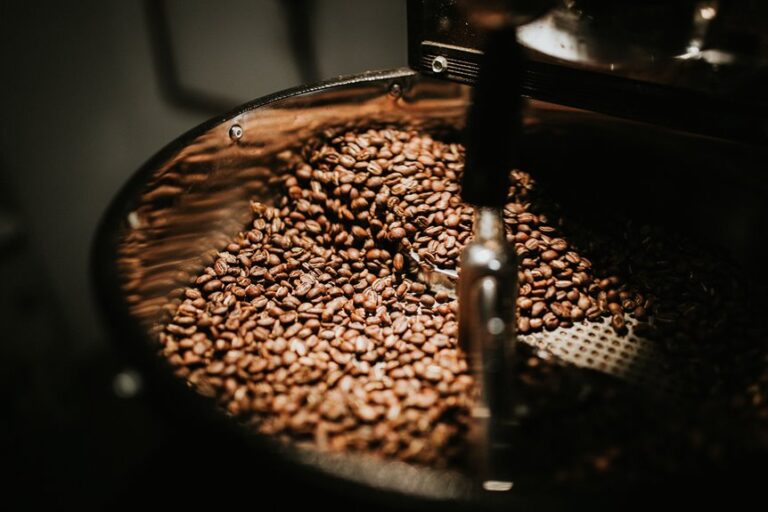
As you sit with your hosts, they roast the beans, brew the coffee, and serve it with care, turning hospitality into a shared ritual.
You also find that each cup opens space for conversation, so community grows naturally around the tray, the aroma, and the time you spend together.
Coffee Ceremony Ritual
As you step into an Ethiopian coffee ceremony, you quickly see that this isn’t just a drink break, because it’s a warm act of welcome that brings people together. You watch the beans roast, and the scent builds coffee symbolism and ceremonial significance. Subsequently, you move through each step with care:
| Step | What you Notice | Why it Matters |
|---|---|---|
| Roasting | Fresh aroma rises | It wakes the room |
| Grinding | Beans turn fine | It prepares the brew |
| Serving | Small cups arrive | It invites shared calm |
You stay present as the pace slows, and that rhythm helps you feel included. Each pour shows respect, and each cup carries quiet connection. At the moment you join the circle, you don’t just drink coffee, you belong in the moment.
Hospitality And Guesthood
Upon being invited into an Ethiopian home, the coffee ceremony does more than offer a warm drink, because it also shows how deeply hosts value their guests.
You step into communal spaces where welcoming gestures feel thoughtful and calm. Each pour reflects hospitality practices shaped through local traditions, and you can feel the cultural significance in every careful move.
The host serves you with graceful service styles that make guest experiences feel personal, not rushed. As you accept the cup, you join simple social interactions that help you feel included right away.
This isn’t just polite service; it’s a warm sign that you belong here. Through these small acts, Ethiopian hospitality turns an ordinary visit into a meaningful exchange, and you leave with a sense of comfort.
Community And Conversation
As the Ethiopian coffee ceremony begins, the room slowly turns into a place for real connection. You’re not just drinking coffee, you’re joining a shared moment that welcomes everyone in.
The roasting beans, the soft pouring, and the calm pace give you time to breathe and listen. That rhythm helps community connections grow naturally, because people don’t rush past each other. Instead, they sit together, trade stories, and notice one another with care.
The ceremony also creates easy conversation starters, so even shy guests can join in without stress. You might ask about the coffee, the family, or the day, and each answer builds trust.
In this warm setting, hospitality feels honest, and you feel like you belong.
Turkey’s Coffee Culture and Slow-Sipped Tradition
In Turkey, coffee is more than a drink, because it’s a small daily ritual that invites people to slow down and stay present.
Whenever you sip Turkish coffee, you join a tradition shaped by cultural significance and care. You notice the fine grind, the gentle brewing techniques, and the rich foam that settle into traditional cups.
Then the pace changes. Conversations open, storytelling rituals begin, and communal gatherings feel warmer because everyone waits and listens. You might hear coffee myths about fortune and fate, and they add a playful spark.
Regional variations keep the custom alive, so each cup can feel familiar and new at once. Should you want belonging, this shared pause welcomes you with calm, respect, and a little sweetness.
Coffee Culture in Brazil’s Daily Rhythm
In Brazil, you can feel coffee woven into your day from the initial light of morning, as a café pausa gives you a warm break and a quick reset.
Later, cafézinho shows up again in the afternoon, small but full of comfort, and it keeps your pace steady without slowing your life down.
Morning Café Pausa
Every morning in Brazil, coffee does more than wake people up. You join a gentle pause that shapes the day, and you feel it in the initial sip.
In homes, offices, and corner bakeries, your morning rituals often begin with fresh coffee, warm bread, and a few calm words. The café ambiance feels open and friendly, so you can slow down without losing your pace.
People around you share this break with ease, and that shared moment helps you feel included, even on busy mornings. Because the cup is small but steady, it fits real life, not a perfect one.
You don’t need much to belong here, just time, warmth, and a seat close to the people around you.
Afternoons With Cafézinho
In the afternoon, cafézinho slips back into the day like a small, steady friend. You may hear cups clink in kitchens, offices, and corner shops, and suddenly everyone feels a little more connected.
Its cafézinho origins come from home habits that turned into daily rhythm, and that history still shapes you now.
- You take a quick sip and reset your energy.
- You share a few warm words and feel included.
- You notice its cultural significance in every simple pause.
Because the drink is small, it leaves room for talk, laughter, and another round of welcome.
Sweden’s Fika and Coffee Breaks
Upon stepping into Swedish life, fika quickly feels less like a break and more like a small daily ritual that people truly care about. You join in through slowing down, sharing coffee, and feeling welcome without pressure. In fika traditions, the table matters as much as the cup, because conversation builds belonging.
| Part | What you do |
|---|---|
| Coffee | Sip slowly and stay present |
| Pastry | Pick something simple and sweet |
| Company | Talk, laugh, and relax |
These coffee breaks fit workdays and home visits alike, so you can pause, reset, and connect. You do not need perfect manners or big stories. You just need time, warmth, and an open seat beside others.
Vietnam’s Sweetened Coffee and Street Stalls
Should Sweden’s fika slow the day down, Vietnam’s sweetened coffee wakes it up with a little more energy and a lot of local charm.
You can join the rhythm at street stalls, where street vendors serve Vietnamese drip with condensed milk in tiny cups. The slow drip brings bold flavor profiles, and the sweet finish feels warm and welcoming. Coffee carts line busy corners, so you can pause, sip, and feel part of the scene.
- Watch the brewing techniques and notice how each drop builds taste.
- Try local favorites to understand their cultural significance.
- Talk with vendors and learn how they keep the mood friendly.
As you move from cart to cart, you’ll see how simple habits create shared comfort and satisfaction.
Japan’s Coffee Brewing Precision
Even a simple cup of coffee feels carefully planned in Japan, and that quiet precision is part of the charm. You notice Japanese precision in every step, from the water temperature to the pour.
Skilled baristas use brewing techniques that turn patience into taste, and you can feel the care in each cup. Their artisanal methods often highlight clean flavor profiles, so nothing feels muddy or rushed.
At the same time, coffee aesthetics matter, because minimalist design keeps the focus on the drink and your sensory experience. This calm style has real cultural significance, since coffee here reflects respect, craft, and everyday beauty.
As you sip it, you don’t just taste coffee. You also feel welcomed into a small moment of order, warmth, and belonging.
South Korea’s Trendy Coffee Shop Scene
Should Japan show coffee as calm craft, South Korea displays it as lively style, and you can feel that energy as soon as you step into a café. You walk into trendy aesthetics, where specialty brews meet café innovations and tech integration.
- You notice barista culture at the counter, and each pour feels welcoming.
- You relax in social spaces filled with art displays, unique themes, and community events that help you feel included.
- You grab artisanal pastries, then chat with friends while the room hums with easy warmth.
Because these cafés value connection, you don’t just order coffee, you join a scene that feels current and kind.
The bright design, careful service, and playful menus make it simple for you to settle in and belong, even on your initial visit.
Mexico’s Spiced Coffee and Family Gatherings
In Mexico, you may find spiced coffee warming the table with cinnamon, cloves, or a touch of piloncillo, and each cup can feel like a small invitation to slow down.
You often share it during family gatherings, where the kitchen fills with talk, laughter, and the easy comfort of being together.
As you sip, you can feel how the drink turns a simple moment into a warm family ritual.
Spiced Coffee Traditions
Upon entering a Mexican home where coffee is brewing, the air often feels warm, sweet, and a little spicy all at once. You might notice spiced blends like cinnamon, cloves, or piloncillo adding comfort to each cup, and their cultural significance runs deep. They help you feel welcome, even though you’ve just arrived.
- You taste softness from cinnamon.
- You notice a gentle sweetness that feels familiar.
- You sense tradition in every sip.
These flavors don’t shout; they invite. Whenever you drink this coffee, you connect with a rhythm that many families keep close.
It’s simple, but it carries care, memory, and honor. So in case you want to belong, start with the cup in your hand and let the spices speak for themselves.
Family Gathering Rituals
That warm, spiced cup often becomes the center of the room as family comes together in Mexico. You pour café de olla, then pass it with bread, stories, and soft laughter. The cinnamon and piloncillo scent helps everyone slow down and feel at home.
As you sit close, you notice how family bonding grows through simple acts like refilling a cup or saving the initial sip for abuela. Subsequently, the ritual invites cousins, parents, and neighbors into one easy circle, so no one feels left out.
Its cultural significance shows in every shared kettle and familiar recipe, because these moments keep memory alive. Whenever you join in, you don’t just drink coffee; you take part in belonging, warmth, and care.
Morocco’s Coffee and Mint Tea Traditions
Because daily life in Morocco often centers on warm hospitality, coffee and mint tea have become more than drinks; they’re a quiet sign that you’re welcome. You step into Moroccan rituals by accepting a small cup, then letting the steam steady you.
Coffee offers bold depth, while a mint infusion brings cool comfort, and both show cultural significance in everyday life. Their unique blends often mix spice, sweetness, and careful timing.
- You might taste strong coffee after a meal.
- You could sip tea poured high for light foam.
- You might notice how each serving invites you to slow down.
When you join these moments, you don’t need perfect manners. You only need openness, because the gesture says you belong.
Coffee and Community Around the World
From Moroccan tea tables to busy city cafés, coffee often does more than wake people up. You find a place to belong whenever cups pass between friends, neighbors, and strangers. In many places, shared mugs spark community interactions, and each pause invites someone in.
| Place | Shared moment | Feeling |
|---|---|---|
| Homes | Morning chat | Warmth |
| Cafés | Quick hello | Ease |
| Markets | Coffee storytelling | Trust |
Because of these small rituals, you can hear local news, swap advice, or laugh at an old joke. At that point, the room feels less empty. Across cultures, coffee links people through care and attention. You don’t need perfect words to join in. You only need to show up, listen, and let the circle open.
Coffee Etiquette Around the World
Upon traveling for coffee, you’ll notice that a warm greeting can matter as much as the drink itself.
You might be offered coffee in a special order, poured a certain way, or expected to wait before sipping, and those small customs show respect.
Should you notice the drinking manners around you, you’ll feel more at ease and more welcome at the table.
Greeting Rituals
Even before the coffee reaches the table, greeting rituals set the tone for the whole exchange, and that can matter just as much as the drink itself.
You can feel more at ease whenever you notice how people say hello, pause, and show respect before they sip. In many places, greeting customs shape trust, and coffee symbolism adds warmth to that moment.
- You could offer a smile or a hand initially.
- You might wait for the host to begin.
- You can use a few local words to show care.
Whenever you follow the rhythm around you, you signal that you belong. That small effort helps the room soften, and it lets everyone share coffee with comfort, not pressure.
Serving Customs
Once the greeting feels warm, serving customs take over and quietly guide the whole coffee moment. You’ll notice coffee serving reflects cultural significance, preparation methods, and social interactions at once.
In some places, hosts pour from traditional vessels with care, while in others, they set cups in communal spaces so everyone feels included. Regional variations shape the pace, the order, and even the flavor profiles you encounter.
That’s why etiquette differences can feel small but matter deeply, especially as you’re trying to fit in kindly. The historical backdrop behind each pour helps you understand why one cup might arrive strong, sweet, or spiced.
As you watch closely, you’ll see the service itself builds trust, welcomes you, and turns a simple drink into shared belonging.
Drinking Manners
Drinking manners can feel tricky at the outset, but they usually make more sense than you’d expect once you slow down and watch the room. You fit in best whenever you mirror local pace and volume. In many places, you wait for coffee toasts before sipping, and you join communal sharing by passing cups with care.
- Hold your cup calmly and avoid loud slurping unless the local style invites it.
- Keep your elbows in and your phone away, so people feel your attention.
- Should someone offer a refill, accept kindly or leave a little to signal you’re done.
As you notice these small habits, you show respect without acting stiff. That balance helps you feel welcome, and it helps others feel comfortable around you too.
The Future of Coffee Culture
As coffee habits keep changing, the future of coffee culture feels both exciting and close to home. You’ll see sustainability initiatives shape every cup, from ethical sourcing to greener cafés.
At the same time, digital coffee trends and coffee and technology will make ordering, sharing, and learning easier for you. Artisan roasting and specialty coffee movements will keep flavor innovation alive, so your next brew can taste new without losing its soul.
Coffee education will help you understand what’s in your cup, and global coffee festivals will still bring people together. Even remote cafe experiences can make you feel part of the crowd whenever you can’t leave home.
Together, these changes invite you in, not out, and that’s the real future.
Frequently Asked Questions
How Do Coffee Festivals Differ Across Countries?
You will find that coffee festivals reflect the essence of each country. Some celebrate cultural significance through dance and storytelling while others highlight brewing methods with competitions. At their core, they serve as gathering places where you can belong, sip, and share.
Which Countries Grow the Most Coffee Beans?
Brazil leads in coffee production, so you will often find Brazilian Arabica. Colombia is known for its renowned Colombian coffee. Vietnam excels in Vietnamese Strong coffee. Ethiopia offers Ethiopian Heirloom coffee. India produces Indian Monsooned coffee. Mexico contributes Mexican Altura coffee as well.
What Coffee Drinks Are Popular in Airports Worldwide?
You will usually find airport espresso, travel lattes, cappuccinos, and iced coffees worldwide. If you think airport drinks cannot feel personal, they can. Grab yours, join fellow travelers, and start your trip with comfort.
How Has Climate Change Affected Coffee Farming?
Climate change has forced you to adapt farming by implementing sustainable practices, enhancing crop resilience, and cultivating hardier coffee varieties. However, this has also led to reduced yields and increased economic challenges. You are not alone in this journey as growers around the world are collaborating and sharing solutions.
What Are Common Coffee Shop Tipping Customs Internationally?
You will find tipping etiquette varies widely. In some countries, you round up. In others, you leave 5 to 10 percent. Some cafés do not expect tips. A smiling barista might signal cultural variations and welcome your gesture.