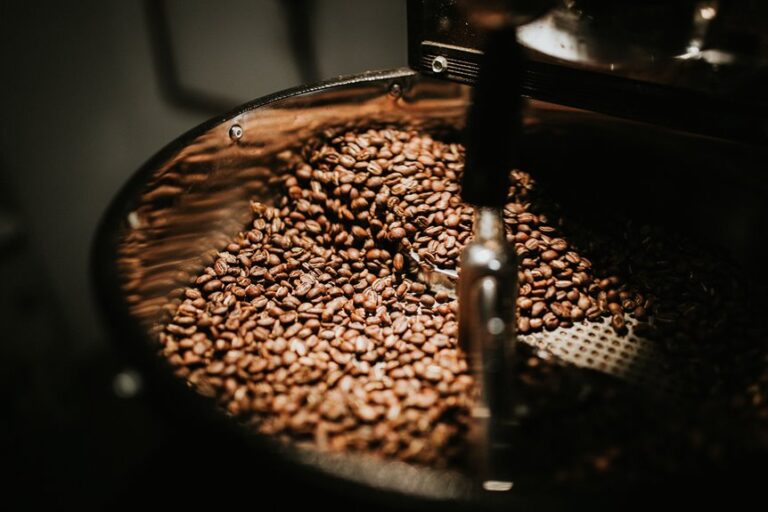


Ristretto espresso is a unique take on the classic espresso shot. It uses the same amount of coffee grounds but pulls the shot earlier, resulting in a smaller volume of brew. This process creates a sweeter, more concentrated flavor with a smoother mouthfeel. Unlike regular espresso, which can have a stronger bite, ristretto offers a delightful balance. So, how can you differentiate it from other espresso variations?
What Is Ristretto Espresso?
Ristretto espresso is a short, concentrated shot of coffee that uses the same amount of ground coffee as a regular espresso, but less water. You get a small cup with a bold, smooth taste that feels warm and inviting.
In ristretto history, drinkers wanted a richer pull that still felt balanced. In ristretto culture, you’ll often find people sharing this style as a quiet sign of care and taste.
You can enjoy it whenever you desire coffee that feels personal, not loud. It brings people together because it invites slow sipping and close conversation.
Should you be new to it, don’t worry. You’re simply choosing a coffee style that many fans love for its comfort and easy charm.
How Ristretto Differs From Espresso
Should you have enjoyed the calm, rich feel of a ristretto, it helps to know how it stands apart from a regular espresso. You still get a strong coffee shot, but ristretto characteristics come from a shorter pull and less water.
That means you taste a tighter, sweeter flavor profile with less bite. Because the water moves through the grounds for less time, the drink often feels smoother and more focused on your tongue. You might notice deeper chocolate notes, a lighter finish, and less bitterness.
Espresso, in contrast, can feel a bit wider in taste and sharper at the end. Should you like coffee that feels bold but gentle, ristretto can make you feel right at home.
Ristretto vs Espresso vs Lungo
Upon you place ristretto, espresso, and lungo side alongside, the differences start to feel easy to spot.
You can consider them as three friends in one coffee family, each with its own pace and style.
- Ristretto uses less water, so you get a shorter shot shaped by ristretto history and many ristretto variations.
- Espresso sits in the middle, giving you the classic balance most people know and trust.
- Lungo adds more water, so it stretches the shot and changes the feel in your cup.
When you choose between them, you’re not just picking size.
You’re selecting the kind of coffee moment that fits you.
That small choice can help you feel right at home in the café crowd, even on a busy day.
Why Ristretto Tastes Sweeter
One small cup can surprise you with a sweeter taste, and ristretto does this because it pulls a more concentrated shot with less water. You notice that fewer bitter compounds reach your cup, so the natural sugars in the coffee stand out more.
That shift changes sweetness perception and makes each sip feel rounder and softer. Since the shot is shorter, the flavor balance stays bright and bold without getting harsh. You get a richer taste that feels familiar and comforting, like the coffee is meeting you halfway.
This is why many people in your coffee circle reach for ristretto at the time they want a gentler edge. It gives you depth, sweetness, and a smooth finish without needing any extra sugar.
How to Brew Ristretto Espresso
To brew a ristretto, you’ll want to grind your coffee fine so water meets enough resistance and pulls out bold flavor fast.
Measure your dose carefully, because even a small shift can change the taste, and aim for a short extraction time to keep the shot rich, sweet, and smooth.
With a little practice, you can tighten each part of the process and make a cup that feels balanced instead of harsh.
Grind Fine
A fine grind is the heart of a true ristretto, because it slows the water just enough to pull out a short, rich shot with deep flavor.
You’ll feel more at home with ristretto once you aim for grind consistency, since each particle should look and behave the same. That steady texture helps shape a cleaner flavor profile, so your cup tastes bold instead of thin.
- Start a little finer than your usual espresso grind.
- Check the grounds between your fingers for a soft, sandy feel.
- Tweak one small step at a time until the shot feels right.
When you keep the grind even, you give your machine a better chance to work with you.
Then your ristretto feels less like guesswork and more like your own cozy craft.
Short Extraction Time
With ristretto, short extraction time is what gives the drink its tight, sweet punch, so you want the shot to finish faster than a standard espresso.
You keep the pour brief, and you guide the water through the coffee just long enough to pull the bright center of the flavor profile. That shorter contact time helps one stay with the bold, syrupy taste people love in this style.
As the shot moves quickly, one avoids extra bitterness and keeps the cup feeling smooth and lively.
Should you be making one at home, trust the clock and watch the flow, because a true short extraction makes the shot feel focused, cozy, and easy to enjoy with your coffee crew.
Measure Coffee Dose
Start with measuring your coffee dose carefully, because that small step sets the whole ristretto up for success. Once you weigh your beans, you join the same careful circle of home baristas who chase rich, sweet shots. Aim for balanced coffee ratios, then adjust for your basket and taste.
- Use a scale for steady measuring techniques.
- Keep your dose consistent, so every shot feels familiar.
- Nudge the amount up or down until the cup tastes bold, not harsh.
Because a ristretto uses less water, a small dose change can shift flavor fast. So, measure cleanly, then trust your observations.
With practice, you’ll build a setup that feels yours, and your espresso will reward you with that tight, syrupy finish you’re after.
When to Order Ristretto Espresso
So, at what time should one order a ristretto espresso? You should choose it whenever you want a shorter, richer cup that fits your mood and keeps you in the coffee crowd without feeling showy.
Should you like a bold start, order one in the morning, especially at the time you need a quick lift and a calm pause. In case you’re meeting friends, it can feel like your little insider choice, and that sense of belonging matters.
The ristretto benefits show up at the moment you want less bitterness and a smoother finish. Don’t let ristretto myths fool you; it isn’t just for experts or dramatic café moments.
You can order it after lunch, too, at the time you want flavor without a heavy feel, and that’s perfectly fine.
Best Beans and Grinder Settings for Ristretto
For a great ristretto, you’ll want beans with bold flavor and enough sweetness to shine in a short shot, so origin matters more than you may realize.
Then adjust your grinder a bit finer than a standard espresso setting, since that helps you pull a rich, concentrated brew without losing balance.
Finally, watch your dose and yield closely, because a small change there can make your ristretto taste smooth, intense, or just plain stubborn.
Bean Origin Choices
As you’re choosing beans for ristretto, origin matters because it shapes both the flavor and how easily the shot concentrates. You’ll feel more at home whenever you pick beans that match your taste and your machine.
- Single origin beans can bring one clear tone, like berries, cocoa, or citrus, so you can taste the bean’s heart.
- Bean blends often give you balance, which helps in case you want a ristretto that feels smooth and welcoming.
- Beans from Brazil, Colombia, or Ethiopia each bring a different mood, so you can choose the cup that fits your day.
After that, trust fresher beans, because they usually taste brighter and kinder in a short shot.
Once you know your origins, you don’t have to guess alone.
Grind Size Tweaks
Upon dialing in ristretto, grind size becomes the quiet little lever that can change everything, because a small shift can turn a shot from sharp and thin into rich and sweet.
You want a slightly finer grind than you’d use for a standard espresso, but not so fine that the flow stalls and feels moody. Focus on grind uniformity, since uneven particles can make one sip taste bright and the next taste dull.
Whenever your grinder holds a steady cut, you get better extraction consistency, and your ristretto feels more like your shot and less like a gamble.
Should the espresso taste sour, go finer; should it turn bitter or heavy, back off a touch. That small adjustment helps you join the club of confident, calm home baristas.
Dose And Yield
The sweet spot for ristretto starts with a modest dose and a tighter yield, because both choices shape how dense, syrupy, and bright your shot feels. You belong to the part of coffee lovers who want control, so start with keeping dose consistency steady and watching yield variations closely.
A smaller dose can help the coffee stay focused, while a lower yield pulls just enough liquid to keep the flavor vivid.
- Use fresh beans with enough sweetness for short extractions.
- Keep your grinder fine, then adjust one click at a time.
- Track dose and yield together, so each shot teaches you something.
That way, you’ll taste balance faster and feel less guesswork in the cup.
Frequently Asked Questions
Can Ristretto Be Made With Decaf Beans?
Yes, you can make ristretto with decaf beans and you will still enjoy a rich decaf flavor. By adjusting brewing techniques, you will fit right in with espresso lovers while keeping caffeine low and taste bold.
Does Ristretto Work Well in Milk Drinks?
Yes, you can use ristretto in milk drinks and you will often love the payoff. It offers a richer flavor balance and a silky milk texture. It can feel like your drink finally belongs, bold yet smooth.
What Cup Size Is Best for Serving Ristretto?
You will serve ristretto best in a small demitasse or 2 to 3 ounce cup. This showcases ristretto flavor, honors ristretto history, and makes you feel right at home among espresso lovers who appreciate every concentrated sip.
How Much Caffeine Is in a Ristretto Shot?
You will get about 40 to 60 mg of caffeine in a ristretto shot. Because ristretto preparation uses less water, you taste more concentration. Its ristretto history reminds you that you are part of a craft loving espresso community.
Can You Make Ristretto With Pre-Ground Coffee?
Yes, you can, but you will do better with a fine grind size. Ristretto preparation needs control and pre-ground coffee can still work. As they say, good things come in small packages so you will still belong.