
Ever wonder why coffee tastes so much better at a café? It all comes down to a few key factors. Cafés use fresh beans roasted to perfection and grind them just right for optimal flavor. Skilled baristas carefully extract every note, balancing the cup to avoid any flat or bitter tastes. Plus, clean machines and quality water keep the flavors pure. The café atmosphere even adds to the experience, making each sip feel special.
Why Café Coffee Tastes Better
Even at the time you make coffee at home every day, café coffee can still feel like a small treat, and that’s not just in your head. You walk in, hear the grinder, and feel part of coffee culture right away. That sense of welcome changes flavor perception before you even sip.
Baristas often brew with steady timing, clean tools, and careful water use, so each cup tastes balanced. You also slow down there, which helps you notice sweetness, body, and aroma more clearly.
Plus, the setting gives your mind a break from chores, so the coffee seems richer and brighter. Whenever you share that moment with others, it can feel warmer, too. That little social lift makes café coffee taste better than a cup rushed at home.
Fresh Beans and Better Roast Levels
Upon drinking coffee made from fresh beans, you notice brighter flavor and a cleaner finish right away.
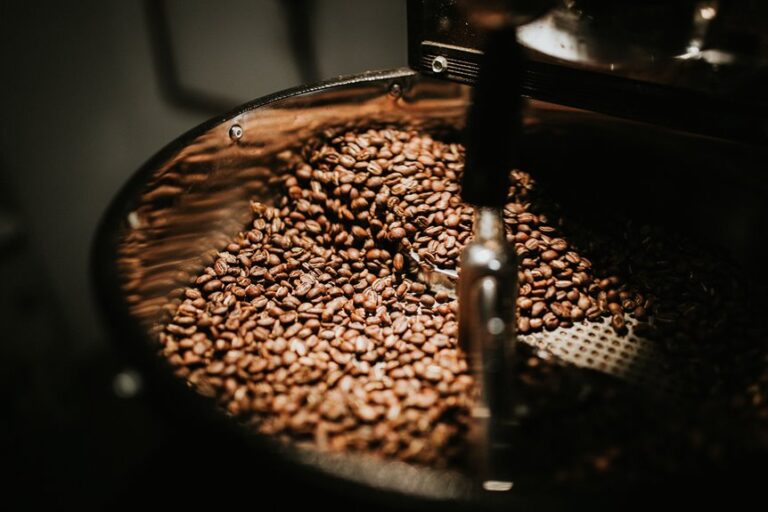
Cafes also fine-tune roast levels so the beans keep their best balance, instead of tasting too sharp or too bitter.
On top of that, steady roasting helps each cup stay consistent, so you know what to expect each instance you order.
Bean Freshness Matters
Fresh beans can change your coffee faster than most people believe, because they hold onto more of the flavor oils and bright hints that make each cup taste lively.
Once you know the bean origin, roast profiles, and varietal differences, you can spot why one café feels richer than another. You’ll also observe how processing methods, sourcing practices, and storage conditions shape aroma impact before you even sip.
Subsequently, your brewing techniques can bring out clearer tasting characteristics and sweeter flavor notes, especially after the beans haven’t gone dull. That freshness helps you feel part of the café rhythm, like you’re sharing the same small win with everyone nearby.
Even a few days can matter, so fresher beans often give you a cleaner, more welcoming cup.
Roast Level Balance
Bean freshness gives café coffee its lively edge, but roast level decides how that energy shows up in your cup. Whenever you sip a drink with a thoughtful roast profile, you recognize flavor complexity instead of one flat tone.
A lighter roast can brighten balance acidity, while a deeper roast can add warmth and body. Cafes often aim for roast development that supports aroma improvement without hiding the bean’s character. That balance helps your sensory perception pick up fruit, chocolate, or spice in a way that feels welcoming, not harsh.
Good roast intensity also keeps the cup steady, so you feel invited back for another taste. In the end, roast uniformity matters because it lets your favorite flavors meet you with calm confidence.
Consistency In Roasting
Even so, consistency in roasting is what helps a café make your favorite cup taste the same way on busy Monday mornings and quiet Sunday afternoons.
Whenever roasters use steady roasting techniques, they protect the beans’ natural character and keep each batch close to the last. That means you can trust the flavor profiles you love, whether you want bright fruit hints or a smooth chocolate finish.
Fresh beans matter too, because older beans lose the spark that makes the roast feel alive. So a skilled café watches time, heat, and cooling with care.
Subsequently, your drink feels familiar, balanced, and ready to welcome you in. That kind of consistency can make you feel like you’ve found your coffee people, one warm sip at a time.
Grind Size and Consistent Extraction
Upon the grind size changing, the coffee can taste wildly different, because water moves through the grounds at a different speed.
Whenever you choose a fine grind, extraction speeds up, and you can get more bitterness should the brew run too long. With a coarse grind, water slips through faster, so the cup might taste thin or sour.
You belong to the group of drinkers who notice these shifts, and that’s a good thing. Cafes protect grind uniformity with careful grinders, because uneven pieces pull flavor in different directions.
That steadiness gives extraction precision, so each sip feels balanced and familiar. Should your coffee ever taste off, the grind is often the initial place to look, and you’re not imagining it.
Water Quality Changes Coffee Flavor
Water can change your coffee just as much as the grind does, and sometimes even more. At the moment you taste a cup at a cafe, the water source can shape the cup’s brightness, body, and finish. A soft mineral content can make coffee taste flat, while too many minerals can hide sweetness. That’s why a smart filtration process helps you feel at home in every sip.
| Water Type | Main Effect | Taste Result |
|---|---|---|
| Soft water | Low minerals | Thin, quiet flavor |
| Hard water | High minerals | Heavy, muted tones |
| Filtered water | Balanced minerals | Clear, steady taste |
| Spring water | Natural mix | Varied character |
| Tap water | Depends on source | Uneven cup |
Even the temperature impact matters, because hot water pulls flavors differently. You’ll notice the difference right away, and you’re not imagining it.
Why Café Brewing Methods Matter
Café brewing methods matter because they shape how water, coffee grounds, and time work together in your cup.
In brewing science, each method changes extraction variables, so you taste different flavors and textures. A pour-over can highlight brightness and clarity, while immersion can bring more body and flavor complexity.
At the point a café keeps temperature precision steady, your drink stays balanced instead of sour or flat. The brewing ratios also guide strength, so you feel that cup fit your mood and your moment.
That’s why café drinks can feel like they were made for your table. You’re not just ordering coffee; you’re joining a place that cares how every detail lands in your hands.
Barista Skill in Every Coffee Cup
As you sip coffee at a cafe, the barista’s extraction skill can change everything, from a bright, clean taste to a bitter, muddy one.
You’ll also notice how milk texturing shapes the drink, since silky foam can make each latte feel smoother and more balanced.
Extraction Technique Matters
Even the best beans can taste ordinary whenever the barista misses the extraction. You taste the difference in every sip, because small choices shape the cup you hold.
Whenever the barista adjusts extraction methods with care, your coffee opens up with balance, sweetness, and a clean finish. Too fast, and it can taste sour. Too slow, and it can turn harsh.
That’s why brew ratios matter too; they help match the water to the grounds so your drink feels just right. Should you have ever pondered why your favorite cafe feels so reliable, this is a big reason. You’re not imagining it.
Skilled hands notice timing, grind, and flow, then guide each shot so you feel welcomed by flavor that’s steady, warm, and made for you.
Milk Texturing Skill
Great coffee doesn’t stop at the espresso shot, because the milk can change the whole drink in a second.
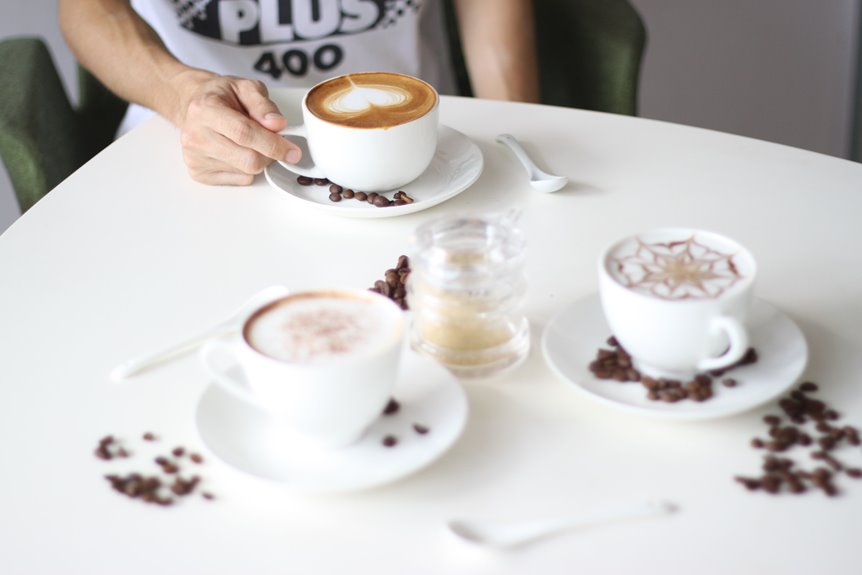
As you watch a skilled barista, you’ll notice how milk texturing skill shapes warmth, sweetness, and that silky feel you crave. Good steam work makes foam fine, glossy, and steady, so each sip feels welcoming.
- You get microfoam artistry that blends milk and air with care.
- You taste cleaner flavor because the milk stays smooth, not bubbly.
- You see latte presentation shine with sharp patterns and balanced color.
- You feel included once the cup looks and tastes made for you.
How Espresso Machines Shape Taste
Because the machine does a lot of the work, it can change your coffee’s taste in ways you mightn’t expect. At a café, you’re not just tasting beans. You’re tasting how the espresso pressure, machine calibration, and heat work together.
Whenever pressure stays steady, water pulls out the best oils and sugars, so your shot feels rich, balanced, and full. In case calibration drifts, the flavor can turn sharp, thin, or bitter fast. Cafes check these settings often because small shifts matter.
You could notice one barista’s drink tastes brighter than another’s, and that’s normal. The machine helps the café team serve a shared standard, so you can feel confident, welcomed, and part of the same coffee rhythm every visit.
Milk Texture and Sweetness in Café Drinks
As milk gets steamed well, it can change a café drink from sharp to soft in a way that feels almost magical. You notice it in the silky feel, and you feel right at home with each sip. Baristas choose milk types to shape sweetness levels and build a warm sensory experience.
- Whole milk gives you fuller texture contrast and a creamy finish.
- Oat or almond milk adds ingredient variations and gentle flavor infusions.
- Frothing techniques lift the foam, so serving styles look neat and inviting.
- Temperature effects can change sweetness, while presentation aesthetics make the cup feel special.
When the milk stays smooth and the foam sits right, your drink feels welcoming, balanced, and easy to love.
How Cafés Balance Flavors
At the moment a café drink tastes balanced, it usually means the barista has lined up several flavors so none of them takes over. You can observe this in flavor profiles that feel bright, smooth, and clear. Cafés often match ingredient sourcing with regional variations, so your cup feels familiar but still special.
| Flavor | Effect | Why it matters |
|---|---|---|
| Fruit hints | Lift | Keeps the cup lively |
| Cocoa hints | Depth | Adds body and comfort |
| Nutty hints | Roundness | Softens sharp edges |
Brewing techniques also shape the sensory experience, since small changes can highlight sweetness or acidity. As staff learn customer preferences and taste education grows, you can ask for seasonal coffees that fit your mood. That care helps you feel seen, not just served, and it makes each visit feel like your place.
Temperature Control Affects Flavor
Heat matters more than many people believe, and a café’s temperature control can change a cup from flat to vivid in just a few seconds.
Whenever you sip coffee with the right brew temperature, you taste sweeter flavors, softer bitterness, and a fuller body. Should the drink run too cool, flavor extraction stays weak, and the cup can feel thin. Should it run too hot, harsh edges show up fast.
In a good café, you benefit from a barista who watches the heat closely because that care helps you feel at home with every order.
- Stable water keeps taste steady.
- Proper heat supports balanced aroma.
- Small shifts change mouthfeel.
- Careful control helps your drink shine.
Clean Equipment Keeps Coffee Bright
As you keep brew gear clean, you help each cup taste bright instead of dull or stale.
Old coffee oils and tiny residue can cling to parts of the machine, and they can quietly change the flavor in ways you’d notice immediately.
That’s why fresh cleaning habits matter so much at the moment you want a smooth, residue-free cup every time.
Brew Gear Hygiene
Even the best beans can taste dull whenever the brew gear isn’t clean, because old oils and tiny coffee bits cling to machines, grinders, and pitchers and change the cup you get.
Whenever you care for your brew equipment, you protect flavor preservation and keep your café routine welcoming. Your cleaning frequency should match use, and your maintenance practices should follow hygiene standards that stop contamination sources from sneaking in.
- Wash parts after each busy shift.
- Do regular sanitization on touch points.
- Store tools dry for proper storage and mold prevention.
- Check for equipment wear so small problems don’t grow.
With steady care, your coffee stays bright, and your space feels like a place where you belong.
Residue-Free Flavor
Clean gear does more than keep your café tidy, because it helps every cup taste like itself. Whenever you practice careful residue removal, you stop old oils, milk film, and dried grounds from sneaking into the next drink. That matters for flavor improvement, since fresh espresso can only shine whenever nothing dulls it.
You’ll observe brighter fruit flavors, cleaner chocolate tones, and a softer finish that feels welcoming. After each shift, rinse parts fast, scrub concealed corners, and wipe steam wand tips so buildup can’t linger like an uninvited guest.
Then dry everything well, because moisture can trap smells. With each clean tool, you protect the coffee’s voice and help your regulars feel at home in every sip.
How Cafés Dial In Each Brew
To get a café cup to taste just right, baristas don’t guess; they dial it in through careful tasting and small changes. You can taste the care in every sip because brew techniques guide the result, from grind size to pour speed.
Then equipment calibration and temperature precision keep the machine steady, while extraction variables shape body, sweetness, and bite.
- Coffee sourcing starts with beans that fit the drink’s flavor profiles.
- Baristas adjust grind, dose, and time until the cup feels balanced.
- Small shifts in heat or water flow can fix sourness or bitterness.
- Beverage presentation matters too, because a neat cup supports your customer experience and helps you feel welcome.
When the team works together, you get a drink that feels made for you.
How Atmosphere Shapes Coffee Perception
The moment you step into a café, the room starts shaping how your coffee tastes. The ambiance influence begins with design elements that guide your sensory experience.
Warm lighting effects can make each sip feel softer, while a lively sound environment adds energy and social influence. You also observe seating comfort, because as you settle in, you feel welcome and less rushed. That calm creates an emotional connection with the cup in your hand.
Aroma improvement matters too, since fresh beans drifting through the air can lift each flavor nuance. Even cultural factors play a part, because local café styles shape what feels familiar and inviting.
Together, these details help you taste more than coffee, and you feel like you belong there.
Why Home Coffee Tastes Different
At home, your coffee can taste different because the water you use changes the flavor more than you may expect.
Freshly ground beans also make a big difference, since old grounds lose their bright, rich taste fast.
Whenever you pair good water with a fresh grind, your cup gets much closer to the cafe-style flavor you’re hoping for.
Water Quality Matters
Even whenever you purchase the same beans, your coffee can taste very different at home because water plays a bigger role than most people realize. You’re not alone should your cup feel flat or bitter; the water in your kitchen might be working against you.
Coffee shops often tune water mineralization, pH balance, and water hardness to match the beans’ source origin and protect the taste profile. Their filtration systems also help keep flavors clean and steady.
- Softer water can brighten flavor.
- Harder water can mute sweet notes.
- Stable brewing temperature helps water pull flavor evenly.
- Better temperature stability makes each sip feel more like the café you love.
Whenever your water lines up, your home coffee feels warmer, smoother, and easier to enjoy with your own crowd.
Grind And Freshness
A fresh grind can change your coffee faster than almost anything else. At the moment you grind beans right before brewing, you keep the oils and aromas that make each cup feel lively and familiar.
Pre-ground coffee loses that spark fast, so the freshness impact shows up in the initial sip. You’ll also notice grind consistency matters because uneven particles brew unevenly. Too fine, and you get bitterness; too coarse, and the cup can taste thin.
Cafes usually control both with care, so their coffee often feels more balanced. At home, you can close that gap by grinding only what you need and matching the grind to your brewer. That small habit helps you join the good coffee crowd every morning.
Frequently Asked Questions
Why Do Some Café Coffees Taste Stronger Than Others?
You taste stronger café coffee whenever they use brewing methods and coffee ratios that extract more flavor so you get a bolder cup. You will notice this most with espresso, moka, and concentrated filter brews.
Do Paper Filters Change Café Coffee Flavor?
Yes, paper filters can change your café coffee’s flavor because filter material traps oils and fine grounds. Brewing time shifts extraction, resulting in a cleaner cup that resembles a medieval guild’s prized brew enjoyed with friends.
Does Altitude Affect Coffee Taste in Cafés?
Yes, altitude can affect café coffee taste. You will notice brighter acidity and stronger aroma at higher elevations. Cafés adjust brewing methods to highlight that altitude influence, helping you feel part of the coffee crowd.
Can Coffee Beans Expire Before Brewing?
Yes, coffee beans can expire before brewing. You will enjoy stronger and sweeter cups when you protect bean freshness, consider storage conditions, respect roast profiles, and match grind size. Together, these factors will keep your brew exceptional.
Why Do Iced Coffees Taste Different From Hot Coffee?
Iced coffee tastes different because chilling it alters flavor extraction and reduces aromas. When brewing iced coffee, you may notice a brighter acidity, less bitterness, and a smoother texture, making it a great choice for your mood.