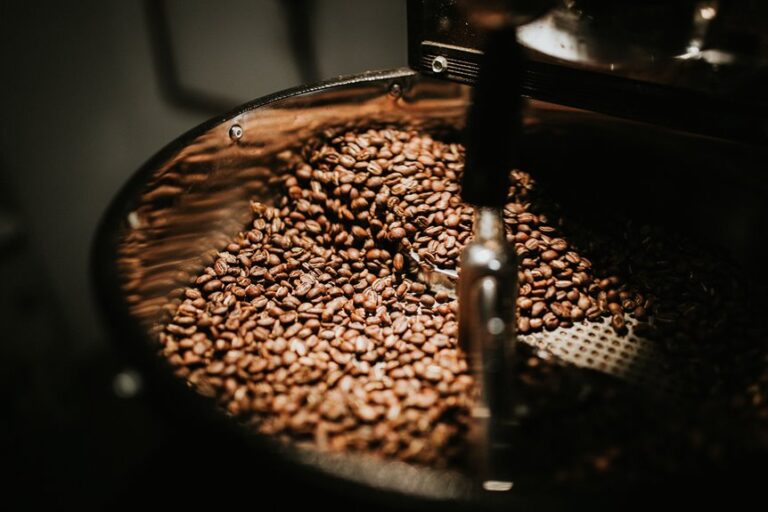


Altitude shapes coffee flavor by influencing bean development, acidity, and sugar concentration. Higher elevations slow cherry ripening, producing denser beans with brighter acidity and complex fruit or floral notes. Lower elevations speed ripening, yielding sweeter, rounder cups with deeper chocolate and nutty tones. Soil, climate, and processing interact with altitude to further shape flavor profiles. These altitude-driven differences begin on the farm and persist through roasting and brewing, affecting every sip.
What Does Coffee Altitude Mean?
Coffee altitude means the height where coffee plants grow, usually measured above sea level. When you hear farm elevation, you’re really hearing how high that coffee farm sits. That number helps you envision the growing place and connect it to the beans in your cup.
Altitude measurement gives you a clear way to compare farms in different regions, so you don’t have to guess. You can suppose of it like a location label that tells part of the coffee’s story.
In case you’re exploring coffee with other curious people, this detail helps you feel included in the conversation. It also gives you a simple starting point before you learn more about flavor.
In coffee, height isn’t just a number; it’s part of the farm’s identity.
Why High Altitude Coffee Tastes Brighter
Once coffee grows higher in the mountains, the beans often develop more slowly, and that slower pace can lead to a brighter, livelier taste in your cup.
You might notice a cleaner snap of citrus, berry, or floral notes because the cup keeps more flavor clarity. As you brew, that brightness can feel welcoming, like the coffee is speaking your language.
It also shapes acidity perception, which doesn’t imply sourness; it means the sparkle that makes each sip feel lively and focused.
If you choose high altitude coffee, you often get a cup that feels more distinct and easy to enjoy with friends. That shine can make your daily pour feel a little special, even on busy mornings.
How Altitude Changes Bean Density
As coffee plants grow higher above sea level, the cooler air and slower ripening often make the beans denser and harder. You can envision that change as tighter packing inside each seed, and that bean compactness matters whenever you roast. The cellular structure grows more crowded, so the bean usually feels firmer and resists heat a bit longer. That’s why you might notice a different crack and a slower rise in the roaster.
| Altitude | Bean effect |
|---|---|
| Lower | Looser beans |
| Higher | Denser beans |
| Cooler air | Slower growth |
| Slow ripening | Tighter cells |
| Result | Harder beans |
Once you understand this, you’ll feel more at home with the coffee in your cup, because the bean’s body starts shaping the path ahead.
Low vs High Elevation Flavor
That denser bean you just envisioned can shape more than roast behavior, because elevation also leaves a clear mark on flavor.
At low elevation, you often taste softer acidity, heavier body, and simple sweetness. High elevation cups usually feel brighter, cleaner, and more lively, with fruit, flower, or tea like notes that stand out.
Should you like comfort in your cup, low grown coffee can feel friendly and easy to enjoy. Should you want sparkle and detail, high grown coffee might feel more exciting.
Shade grown beans can support slower ripening, and processing methods can either soften or sharpen what you taste. So whenever you compare the two, you’re not picking a winner. You’re choosing the cup that feels most like home to you.
Why Climate and Terroir Change Coffee Flavor
At the time coffee grows, the climate around it does more than keep the plant alive. It shapes how cherries mature, how sugars build, and how acids settle into your cup.
Whenever you feel that bright or gentle flavor, you’re tasting the place as much as the bean. Warm days, cool nights, rain, and shade all work together, and even small microclimate variation can shift the result.
Soil microbes help too, because they support roots and influence how the plant takes in nutrients. So if terroir changes, flavor changes with it.
You don’t need to guess your way through it, either. The land leaves clues in every sip, and once you notice them, coffee feels a lot more personal.
Which Coffee Origins Grow at High Altitude?
Coffee origins that sit high above sea level often grow in places where the air feels cooler, the sun hits harder, and the plants take a little longer to ripen.
You’ll frequently find them in the Ethiopian Highlands, where mountain farms shape bright, floral cups, and on the Colombian Hillside, where steep slopes help cherries develop clean sweetness.
You can also look to Guatemala, Kenya, and parts of Rwanda, where high farms share the same slow-growing pace.
These places usually give you coffee with lively acidity and crisp flavor.
Whenever you see a high-altitude origin, you’re tasting a growing place that asked the plant to work harder, and that extra effort often shows up in the cup with more character, balance, and a little spark.
How to Choose Coffee Based on Altitude and Flavor
As you choose coffee based on altitude, you can use flavor as your guide because higher-grown beans often taste brighter, cleaner, and more complex.
Should you love lively fruit notes or crisp acidity, start with high-altitude coffees, but unless you want a softer, rounder cup, look for lower-grown beans.
Trust your own taste initially, since the best coffee is the one that feels right in your cup.
Altitude Flavor Profiles
Once you understand how altitude shapes coffee, choosing a bag gets a lot easier because the flavor clues start to make sense.
At higher elevations, cooler nights slow cherry growth, so you often get brighter acidity, cleaner sweetness, and floral hints. Lower-grown coffee usually feels heavier, with chocolate, caramel, and nutty tones that feel cozy and familiar.
You’ll also notice microclimate effects, since nearby shade, rain, and wind can shift the cup even on the same mountain. Processing impact matters too, because careful drying or washing can sharpen those high-altitude traits, while the same methods might soften lower-altitude coffee.
Choosing By Taste Preference
So, how do you pick the right coffee for your own taste? Start with what feels good in your cup. Should you love bright, lively notes, choose high-altitude beans, since they often taste cleaner and fruitier.
Were you to want a rounder, softer sip, try lower-altitude coffee with more chocolate or nut tones. Your roast preference matters too. A light roast keeps those mountain-grown flavors clear, while a darker roast can smooth them out.
Then consider your brewing method. Pour-over highlights sharp detail, but French press adds body and warmth.
You don’t have to get it perfect right away. Try a few origins, taste slowly, and observe what makes you feel at home. Your best coffee is the one that fits your palate.
Frequently Asked Questions
How Does Altitude Affect Coffee Roasting Time?
At higher altitude, you’ll usually need longer roasts because beans heat differently and the slower Maillard reaction stretches development, so you can join the flavor rich crowd with steadier control and gentler heat.
Does Altitude Influence Coffee Caffeine Content?
Not much. Altitude mainly changes bean density and brew chemistry, not caffeine itself. You’ll usually taste brighter cups, yet the caffeine stays similar, so you can belong to the high altitude coffee crowd without worrying about a bigger jolt.
Can Low-Altitude Coffee Still Taste Complex?
Yes—you can enjoy complex low altitude coffee, especially as you choose single origin beans and thoughtful processing methods. You’ll notice layered sweetness, balanced acidity, and unique character that make you feel part of the coffee conversation.
Do Higher Elevations Increase Coffee Acidity Levels?
Yes, when you climb higher you’ll often taste brighter acidity, like sunlight waking a hillside village. You’re not alone in preferring it; higher tannins and brighter sugars can make your cup feel lively, familiar, and welcoming.
How Do Farmers Measure Coffee Farm Elevation?
You measure your coffee farm’s elevation with GPS mapping, then verify slopes and plots using soil sensors and handheld altimeters. That helps you know each block’s height, terrain, and shared growing conditions.