

Espresso is a concentrated coffee brewed by forcing hot water through finely ground beans under high pressure. It produces a crema, a golden foam that signals freshness and proper extraction. The short extraction time yields intense flavor, a smooth mouthfeel, and natural sweetness from caramelized sugars. Grind size, bean freshness, water temperature, and pressure all affect taste and balance. Mastering those variables turns a tiny cup into a richly flavored experience that showcases coffee’s nuances.
What Is Espresso?
Espresso is a small but powerful coffee drink made using forcing hot water through finely ground coffee beans under high pressure. You taste a bold, rich shot that feels quick, warm, and welcoming.
Whenever you sip it, you join a long espresso history shaped through cafes, home machines, and daily routines. That story matters because it shows how people have turned a simple drink into a shared ritual.
You might also notice single origin subtleties, like a brighter nuance or a softer finish, which can make each cup feel personal. So, even though espresso looks tiny, it carries real character.
It gives you a fast lift and a sense of connection, like you’ve found your spot at the counter.
Espresso Beans and Grind Size
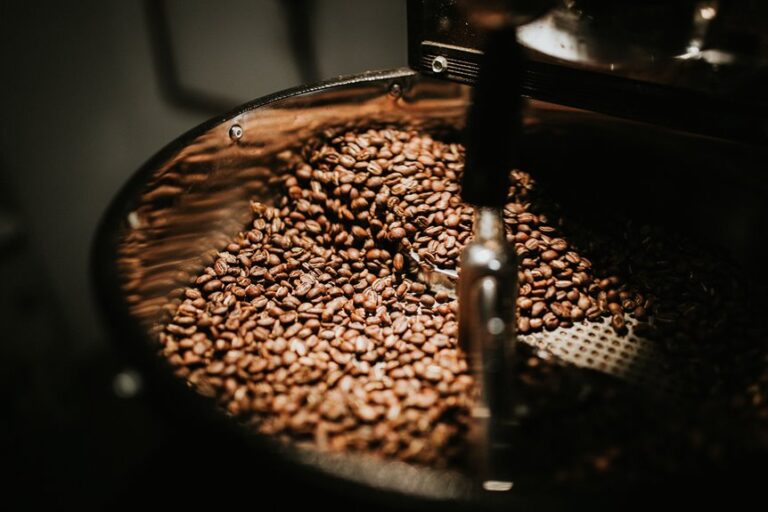
Whenever you choose espresso beans, you’ll notice that roast profile changes the flavor fast, so a medium to dark roast often gives you that bold, rich cup you want.
You also need a fine, even grind, because small shifts in size can change how water moves through the coffee and how strong your shot tastes.
Should the grind feels a little finicky, don’t worry, because espresso rewards careful tweaks and gives you plenty of room to get it right.
Bean Roast Profile
A good espresso starts with the roast, because the bean’s flavor and the grind’s texture work together from the initial shot.
Whenever you choose Dark roasts, you’ll usually get bold, cocoa-rich notes that feel familiar and smooth in your cup. Should you prefer brighter flavors, Light roasts can bring out fruit and floral tones that make each sip feel lively.
You belong in the middle of that choice, and there’s no wrong pick. The roast changes how your espresso tastes, how much sweetness you notice, and how balanced the cup feels. So, trust your own palate, and keep the roast style matched to the mood you want. That simple step helps you brew espresso that feels personal, warm, and easy to enjoy.
Fine Grind Consistency
Fine grind consistency can make or break your shot, because espresso needs the bean particles to work together, not fight each other. Whenever you choose a fine setting, you help water move evenly through the puck. That means better grind uniformity and a sweeter, richer cup for you and your crew.
In case the grind has too many micro particle changes, water rushes through weak spots and leaves other areas underused. You can spot this whenever the shot tastes sour, thin, or harsh at once. So, aim for a grinder that gives you steady, even grounds. Then check your results and adjust a little at a time. With practice, you’ll join the many home baristas who pull shots they can feel proud of.
How Espresso Is Brewed
Espresso starts with pressure, and that one idea changes everything about the cup in your hand. You feel it whenever hot water rushes through tightly packed coffee, and you taste it in the bold, silky result.
Initially, you prepare the puck carefully, because puck preparation shapes how evenly the water moves. Then the machine pushes water through at high force, and the coffee blooms into a rich stream. With pressure profiling, you can guide that force so the shot feels smoother and more balanced.
You don’t need fancy words to join the espresso crowd; you just need a good grind, steady hands, and patience. Whenever the flow looks steady and the aroma turns sweet, you know the brew is working the way it should.
Espresso Shot Sizes and Ratios
One small number can change your whole coffee moment, and that’s true with espresso shot sizes too. Whenever you order or pull a shot, you’re really choosing how much water meets the coffee and how fast it moves through the puck.
A ristretto uses less water, so ristretto ratios stay tight and give you a sweet, concentrated sip. A standard shot lands in the middle, where balance feels easy and familiar. Then lungo extraction stretches longer, letting more water pass through for a lighter, more open taste.
You don’t need to guess what fits you. Start with one ratio, notice the body, and adjust with confidence. That way, your cup feels personal, and you’ll know exactly how to find your favorite espresso rhythm.
Espresso Vs. Regular Coffee
Should you’ve been comparing shot sizes, it helps to look at the bigger image and see how espresso stacks up against regular coffee.
You get both from coffee beans, but they travel different paths. Espresso uses pressure, a fine grind, and a short brew time, so you end up with a small, bold drink. Regular coffee uses more water and a slower brew, which gives you a larger cup and a gentler pace.
Because of that, you can choose what fits your day and mood. Were you to like a single origin bean, espresso can spotlight it in a focused way.
Brew temperature also matters, since each method asks for a different touch. That’s why both can feel like home in your cup.
What Espresso Tastes Like
Espresso greets you with a bold, concentrated flavor that feels strong but not harsh if it’s made well.
You might notice a rich crema on top, along with a touch of bitterness that gives each sip more depth.
Then a sweet, nutty finish can soften the edge and leave you with a smooth, satisfying aftertaste.
Bold, Concentrated Flavor
The initial sip usually hits you fast, and that’s part of the charm of espresso. You notice a bold push of flavor, plus an intense aroma that feels welcoming and alive.
Because of the concentrated extraction, every drop carries more coffee character, so you taste a small cup with big personality.
- You might get a sweet edge.
- You could feel a gentle cocoa note.
- You might catch a nutty finish.
- You might enjoy a smooth, lively body.
Even though the taste feels strong, it doesn’t have to feel harsh. Instead, it can feel warm, focused, and shared, like you’re joining a small coffee ritual.
Should you enjoy drinks that speak clearly, espresso gives you that steady, confident voice without needing extra extras. Note: the experience changes with beans and roast.
Crema And Bitterness
Under that light, golden layer on top, espresso often gives you crema initially, and that soft foam can shape how you read the cup. You join a small circle of drinkers who notice how crema softens the opening sip and signals freshness. It doesn’t hide bitterness, but it can guide your bitterness balance, so the taste feels firm, not harsh.
| Clue | What You Notice | Why It Matters |
|---|---|---|
| Crema color | Golden brown | Shows a lively shot |
| Foam texture | Silky, fine | Feels smooth on your tongue |
| Opening sip | Sharp edge | Sets up bitterness balance |
| Aftertaste | Clean finish | Keeps the cup clear |
| Crema preservation | Better layer | Helps the taste stay steady |
With good crema preservation, you taste a more united shot, and that makes each espresso feel like it belongs to you.
Sweet, Nutty Finish
That same creamy top layer can also hint at what comes next, because a good espresso often lands with a sweet, nutty finish after the initial bold sip.
- You might be able to taste caramel notes that soften the edge.
- You could notice almond undertones that feel warm and smooth.
- The flavor can stay on your tongue without feeling heavy.
- Each sip can help you feel like you belong in the coffee moment.
This finish matters because it balances the roast and keeps the drink inviting.
Whenever you slow down, you’ll catch layers that move from sharp to mellow.
That shift makes espresso feel less harsh and more welcoming, like the cup is meeting you halfway.
Should you enjoy coffee with depth, this sweet ending gives you a reason to stay with it.
Espresso Crema Explained
| What you see | What it means |
|---|---|
| Golden foam | Fresh espresso |
| Tiny bubbles | Strong extraction |
| Thin layer | Balanced shot |
When crema looks even and stays briefly, your espresso usually feels smoother and more complete. Should it fades fast, your shot could feel flat. So, once you pour one for yourself, let crema guide your eyes, then trust your taste.
Popular Espresso Drinks
Popular espresso drinks give you a simple way to enjoy espresso without feeling like you need barista skills on day one.
- Espresso shots: You get the bold, fast hit that starts it all, and it’s a solid choice whenever you want pure coffee flavor.
- Americano: You add hot water, so the drink feels lighter while still keeping that rich espresso taste.
- Latte: You mix espresso with milk, which gives you a smooth, cozy cup that feels easy to love.
- Single origin lattes: You taste one coffee source, so you can notice bright, nutty, or chocolatey characteristics with each sip.
If you want something chilled, cold brew espresso brings a cool twist that still feels familiar. These drinks help you find your place in coffee without any pressure, and that’s a pretty nice win.
How to Make Espresso at Home
Making espresso at home can feel a little intimidating at initially, but you don’t need a fancy café setup to get a good cup. Start with fresh beans, a grinder, and one of the simple home espressokits that fit your space and budget.
Measure your coffee, then grind it fine and even. Next, add it to the portafilter and use manual tamping with steady pressure so the grounds sit level. Lock it in, start the shot, and watch for a rich stream with a warm caramel color.
As you practice, you’ll learn your machine’s rhythm and your own taste. Should the flavor feels off, adjust the grind a little at a time. Before long, you’ll feel at home, cup in hand, like part of the espresso crowd.
Common Espresso Mistakes to Avoid
Even while you’ve got the grind, dose, and tamp feeling right, a few small slipups can still throw your shot off. You’re not alone; even careful home baristas hit these bumps. Watch for these common misses:
- Rushing the pull: Look for over extraction indicators like harsh bitterness and a dry finish.
- Guessing tamping pressure: Keep it firm and even, so water meets the puck the same way each time.
- Ignoring water purity effects: Clean water helps your espresso taste bright, not dull or muddy.
- Skipping portafilter maintenance: Wipe and rinse it often, since old oils can sneak into the next shot.
When you fix these details, you join the crowd making smoother, sweeter espresso at home.
How to Store Coffee Beans for Espresso
Fresh beans can make or break your espresso, so storing them the right way matters more than most people reckon. You want your beans to stay lively, so keep them in airtight containers and seal them after each use. That simple step helps lock in the rich smell you love and keeps stale air out.
Next, place the container in away from light storage, like a pantry or cupboard, because heat and sun wear beans down fast. Also, skip the fridge and freezer unless you truly need long-term storage. They can add moisture and dull the taste.
Instead, buy smaller amounts and use them within a few weeks. Whenever you treat your beans well, your espresso tastes brighter, smoother, and more like the cup you hoped for.
Frequently Asked Questions
How Much Caffeine Is in a Single Espresso Shot?
A single espresso shot usually packs about 60 to 70 mg of caffeine, though caffeine variability and extraction yield can shift that. You’ll fit right in realizing each café’s shot can taste and hit a little differently.
Does Espresso Have More Calories Than Brewed Coffee?
Usually, you’ll find espresso has slightly more calories per ounce, but brewed coffee often comes in larger serving sizes. For your calorie comparison, plain versions remain nearly calorie free, so you’re still in the coffee crowd.
Can Espresso Be Made With Decaf Beans?
Yes, you can make espresso with decaf beans. Last week, you could have tasted a sunset in a cup: decaf methods protect flavor retention, so you still belong at the espresso bar without the caffeine buzz.
What Is the Ideal Temperature for Serving Espresso?
You should serve espresso around 160 to 170°F for ideal serving and crema preservation. You’ll keep it rich, inviting, and shared at its best, so everyone around you can enjoy that warm, welcoming cup together.
How Long Does Freshly Brewed Espresso Stay Fresh?
Freshly brewed espresso stays fresh for about 10 to 15 minutes, after which flavor deterioration starts. You’ll taste it best right away. For storage tips, don’t save it; brew again so you can belong in every rich sip.