
Africa’s top coffees in 2026 come from Ethiopia, Rwanda, Tanzania, Kenya, and more. Each one brings a distinct flavor, from floral and bright to smooth and cocoa-rich.
Processing and origin shape the cup in big ways. Here are seven standout picks worth trying.




More Details on Our Top Picks
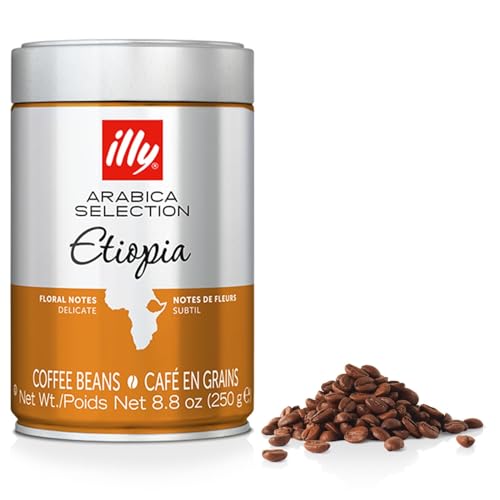
illy Arabica Ethiopia Whole Bean Coffee Light Roast
Should you love a light, fragrant cup with a refined finish, illy Arabica Selections Ethiopia Whole Bean Coffee is a standout choice. You’ll taste 100% Arabica beans from Ethiopia in a light roast that highlights delicate jasmine notes and balanced flavor. illy selects only top beans after years of producer partnerships, then rejects imperfections to protect aroma. Its pressurized can uses inert gas to preserve freshness and augment scent. You can brew it fresh for immediate enjoyment. With sustainable sourcing and long-term farmer relationships, it also supports quality and community wellness.
- Origin:Ethiopia
- Roast:Light roast
- Form:Whole bean
- Bean Type:100% Arabica
- Flavor:Jasmine notes
- Size:8.8 oz
- Additional Feature:Jasmine aroma notes
- Additional Feature:Patented pressurized can
- Additional Feature:Zero-defect selection
Tanzania Peaberry Coffee – Good As Gold Coffee Roasters – 12oz Whole Bean
Should you want a smooth, sweet African coffee with a distinctive twist, Good As Gold Coffee Roasters’ Tanzania Peaberry is a standout pick. You get a 12 oz bag of freshly roasted whole beans, small-batch roasted in a custom-built air roaster for clean, even flavor. Its medium roast brings out a smooth, buttery body and a sweet, delicate finish that feels refined without being fussy. The peaberry beans add a unique profile you won’t find in standard lots. Because it’s whole bean, you can grind it fresh and enjoy strong aroma, quality, and great value.
- Origin:Tanzania
- Roast:Medium roast
- Form:Whole bean
- Bean Type:Peaberry Arabica
- Flavor:Smooth, buttery
- Size:12 oz
- Additional Feature:Small-batch roasted
- Additional Feature:Air-roasted profile
- Additional Feature:Smooth buttery body
Wild Kopi Luwak Exclusive Coffee from Sumatra
Provided you’re a coffee connoisseur chasing a rare, exotic cup, Wild Kopi Luwak Exclusive Coffee from Sumatra is a standout choice. You get whole beans sourced from wild forests in Lintong Nihuta, North Sumatra, and hand-picked at the hands of generational farmers. The beans’re washed, sun-dried, and roasted without animal contact during harvest, so you enjoy a responsible, natural cup. Expect an aromatic, sturdy, earthy profile with a velvety finish and little bitterness. It delivers an energetic kickstart and intense aroma. Plus, your purchase supports local education and vocational training, making it a thoughtful gift too.
- Origin:Sumatra, Indonesia
- Roast:Roasted
- Form:Whole bean
- Bean Type:Wild coffee beans
- Flavor:Earthy, velvety
- Size:3.5 oz
- Additional Feature:Wild forest sourced
- Additional Feature:Supports community education
- Additional Feature:Sun-dried roasted beans
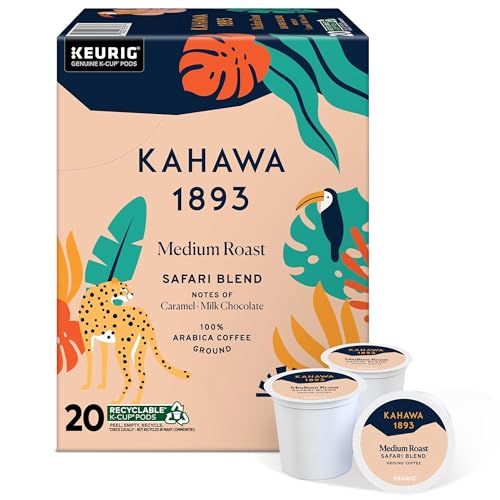
Kahawa 1893 Safari Blend Coffee K-Cup Pods
Kahawa 1893 Safari Blend Coffee K-Cup Pods are a strong pick should you desire a smooth, medium-roast African coffee with a balanced flavor and a low-bitter finish. You’ll taste intrinsic sweetness, lively fruit nuances, and mellow caramel and milk-chocolate undertones, so it works nicely with milk or cream. These 100% organically grown Arabica beans come from East African women farmers and support ethical, sustainable farming. You can enjoy a coffee that’s high in antioxidants and easy on your stomach. The pods fit Keurig brewers, recycle easily, and let you tip farmers via QR code.
- Origin:East Africa
- Roast:Medium roast
- Form:K-Cup pod
- Bean Type:100% Arabica
- Flavor:Caramel, milk chocolate
- Size:Pod count unspecified
- Additional Feature:Women farmer sourced
- Additional Feature:QR tip support
- Additional Feature:100% recyclable pods
Amazon Fresh Rwanda Whole Bean Coffee Light Roast 12 Ounce
Amazon Fresh’s Rwanda Whole Bean Coffee is a smart pick should you want a light, citrusy African cup with a delicate profile. You get 100% Arabica beans from Rwanda, so the cup stays clean and focused. The light roast lets the citrus notes shine without burdening things down. Since it comes as whole beans, you can grind it fresh and dial in the flavor you like. Amazon roasts and packs it in the U.S.A., and the 12-ounce bag gives you a convenient way to sample a single-origin African coffee at home.
- Origin:Rwanda
- Roast:Light roast
- Form:Whole bean
- Bean Type:100% Arabica
- Flavor:Citrus notes
- Size:12 oz
- Additional Feature:Citrus flavor notes
- Additional Feature:Roasted in USA
- Additional Feature:Delicate flavor profile
Bulletproof Breakfast Blend Light Roast Coffee 12 Ounces
Should you want a bright, clean cup with a little sweetness and fruit, Bulletproof Breakfast Blend Light Roast Coffee, 12 ounces, is a smart pick. You get 100% Arabica whole beans with a lively, premium profile that brings milk chocolate, orange, berry, and citrus tones to the cup. The light roast highlights its lively character, while expert blending gives you bold flavor without heaviness. Bulletproof sources beans from Rainforest Alliance Certified farms and tests every shipment for toxins, so you can brew with confidence and enjoy a clean, sustainably sourced coffee.
- Origin:Multiple origins
- Roast:Light roast
- Form:Whole bean
- Bean Type:100% Arabica
- Flavor:Milk chocolate, citrus
- Size:12 oz
- Additional Feature:Toxin tested
- Additional Feature:Rainforest Alliance certified
- Additional Feature:Specialty cup scoring
Elite Instant Coffee Kosher for Passover (7oz)
Elite Instant Coffee, Kosher for Passover (7oz) is a smart pick provided you want a quick, reliable cup with a rich, aromatic medium-roast profile and kosher-for-Passover certification. You get an unflavored, premium instant coffee from Israel that’s carefully sourced and produced in small batches for freshness. Just add hot water, and you’ve got a convenient pantry staple with a hearty, not-sweet taste. Each 7-ounce bag suits adults who value speed and consistency, while the 1 mg caffeine per serving keeps it light. Its strong customer base reflects steady appeal.
- Origin:Israel
- Roast:Medium roast
- Form:Instant ground
- Bean Type:Coffee beans
- Flavor:Rich, aromatic
- Size:7 oz
- Additional Feature:Kosher for Passover
- Additional Feature:Instant convenience
- Additional Feature:Small-batch freshness
Factors to Consider When Choosing Coffee From Africa
Whenever you choose coffee from Africa, start checking the origin and region, since each area brings its own character. You should also weigh roast level, bean variety, flavor profile, and freshness, because they all shape your cup. In case you want the best results, pick beans that match your taste and were roasted recently.
Origin And Region
Origin matters a lot while you choose African coffee, because each region brings its own character to the cup. When you pick East African beans, you’ll often get bright acidity, floral aromas, and citrus-like notes, especially from high-altitude farms. Central and West African coffees usually taste fuller, with chocolatey or nutty depth. Altitude changes the cup too: beans grown above 1,500–2,000 meters often develop denser structure, sharper acidity, and more complex aromatics. You should also notice soil and microclimate, since volcanic earth, rainfall, and cool nights shape sweetness and clarity. Processing matters as well; washed coffees underscore crispness, while natural lots can bring fruity, fermented sweetness. Local heirloom varieties add another layer of distinctiveness.
Roast Level
Roast level plays a big role in how African coffee tastes, because lighter roasts keep the bright acidity, floral aromatics, and citrus observations that many high-grown beans are known for, while darker roasts soften those qualities and push body, smokiness, and roast-driven bitterness forward. Provided you want to taste a coffee’s origin clearly, start with a light or light-medium roast. Those levels usually suit many African Arabicas because they protect delicate fruit and flower notes. A medium roast gives you more caramel, sweetness, and chocolate while still keeping some acidity alive. Opt for darker only in the case you prefer a roast-forward cup with less subtlety. Whenever you compare roasts, brew the same coffee the same way each time, and keep the grind consistent so you can judge changes in aroma, mouthfeel, sweetness, and acidity.
Bean Variety
Bean variety helps shape how an African coffee tastes before you even consider roast or brew method. When you choose African coffee, start with Arabica or Robusta. Arabica usually gives you brighter acidity and more delicate floral or fruit notes, while Robusta brings more caffeine, heavier body, and earthy bitterness. Then look at the specific Arabica varietal: Bourbon, Typica, SL28/34 descendants, and newer hybrids all express different levels of sweetness, acidity, and body because of their genetics. Peaberry lots can also stand out, since those single seeds might concentrate sugars and flavor. Finally, consider altitude, microclimate, and processing. High-grown beans often taste brighter, and washed, natural, or honey methods can amplify or soften each variety’s built-in traits.
Flavor Profile
When you narrow down African coffees, let the flavor profile guide you: East African lots often open up with bright acidity and floral or citrus subtleties, while coffees from some inland regions can lean warmer, with fruity sweetness and wine-like depth. You’ll also notice that altitude and processing shape the cup: high-grown, washed coffees usually taste cleaner, tea-like, and more floral, while natural lots often feel fuller, jammy, and a bit fermenty. Keep an eye on roast level too, since light roasts preserve origin character and darker roasts push caramel and chocolate notes forward. Use cup clues like body, acidity, sweetness, and finish to compare beans. Should you prefer vivid, delicate complexity, choose accordingly.
Freshness Matters
Fresh African coffee usually shines brightest within 2–4 weeks of roasting, as its floral, citrus, and fruit tones are still vivid. You should check the roast date, not just a best-by label, so you know at what point the beans were actually roasted. Choose whole beans whenever you can, because they keep peak flavor longer than pre-ground coffee, which can fade fast. Should you brew daily, buy only what you’ll use within a few weeks after opening. Store your coffee in an airtight, opaque container, then keep it cool, dry, and out of light. That simple routine slows oxidation and helps protect the acids and aromatics that give African coffees their lively character. Treat freshness as a priority, and each cup will taste brighter, cleaner, and more expressive.
Processing Method
Once you’ve checked freshness, the next big choice is how the coffee was processed, because that step shapes the cup as much as origin does. In case you want crisp, floral, or citrus-forward cups, choose washed coffee; removing the mucilage before drying lets the origin shine with cleaner acidity. Should you prefer fuller body and sweeter, fruitier notes, natural processing can give you those wine-like flavors. Honey processed coffees sit in between, offering more sweetness than washed and more clarity than natural, with taste changing as more mucilage stays on the bean. Fermented or anaerobic lots can taste bold and unusual, but they need careful handling. Also note that drying: slow, even sun-drying usually preserves aroma better than rushed mechanical drying.
Ethical Sourcing
Upon choosing African coffee, look beyond flavor and check how it was sourced: certification labels like Fair Trade, Rainforest Alliance, or organic can signal fairer prices and stronger labor and environmental standards, while supplier transparency reports help verify those claims. You should favor roasters that share farm-gate prices, long-term buying commitments, and lot codes so you can trace beans back to a farm or cooperative. That traceability helps deter exploitation and strengthens accountability. Also look for direct trade or community premium programs that fund education, healthcare, or infrastructure. Ask whether growers protect seasonal workers, forbid child labor, and limit deforestation or biodiversity loss. Whenever you buy from transparent partners, you support better livelihoods and help preserve Africa’s coffee terrains for the long term.
Frequently Asked Questions
Which African Coffee Regions Produce the Most Unique Flavor Profiles?
Ethiopia, Kenya, Rwanda, and Burundi offer distinct flavor profiles. Ethiopia brings floral fruit notes, Kenya delivers blackcurrant acidity, Rwanda adds tea-like sweetness, and Burundi contributes bright citrus. Each region stands out with a different cup character.
How Should African Coffee Beans Be Stored for Maximum Freshness?
Keep African coffee beans in a sealed, light blocking container on a cool shelf, away from heat, moisture, and strong odors. Leave them whole and grind only right before brewing to preserve their fresh aroma.
Are African Coffees Typically Best for Espresso or Pour-Over Brewing?
Pour-over often brings out the most in African coffees because it highlights their bright acidity, floral notes, and fruit driven character. They can also make excellent espresso if you want a vivid, layered shot with more sparkle than heaviness.
What Roast Level Works Best for Preserving African Coffee Acidity?
Choose a light roast to keep African coffee’s bright acidity, fruit tones, floral notes, and citrus character intact. A medium-light roast can also be a good choice if you want a touch more sweetness and body.
How Does Altitude Affect the Taste of African-Grown Coffee?
Higher elevations slow coffee cherry maturation, producing denser beans with vivid acidity and layered floral or fruit notes. Coffee grown at lower elevations tends to be rounder, sweeter, and gentler on the palate, with less brisk acidity.