
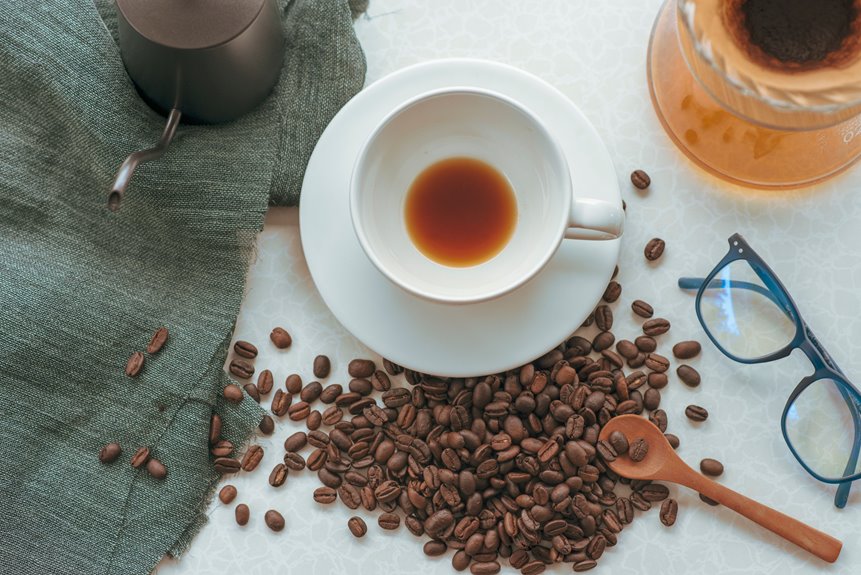
Low acid coffee offers a smoother experience without sacrificing your beloved morning ritual. It typically has less bite and fewer stomach issues, making it a great choice for sensitive drinkers. The taste often leans towards chocolate or nutty notes. The magic happens with the beans and the roasting process, which sets this coffee apart. For those who find regular coffee a bit harsh, low acid options provide a delightful alternative.
What Is Low Acid Coffee?
Low acid coffee is coffee made to be gentler on your stomach than regular coffee. You can envision it as a smoother cup that still feels like coffee culture, just with a softer edge.
Some beans, roasts, and brewing techniques can lower the acid level, which might support health benefits for people who want less bite in their mug. You’ll often see dark roasts, cold brew, or specially processed beans used for this style.
These choices change the flavor and can make the drink taste calmer and less sharp. Should you have been searching for a coffee that fits your routine and lets you keep enjoying your daily cup with confidence, low acid coffee provides you another welcoming option.
Why Low Acid Coffee May Help Your Stomach?
Whenever your stomach feels touchy after a cup of coffee, low acid coffee could offer a gentler path. You still get the warm, familiar ritual, but with less bite on your stomach lining.
That can matter in cases where regular coffee leaves you with burning, bloating, or that uneasy after-feel. Because low acid coffee is often easier to sip, it can support stomach comfort and help you enjoy your drink without dreading the fallout.
For many people, that smoother experience also fits better with digestive health, especially at times they want coffee to feel like a treat, not a challenge.
Should you have been avoiding coffee for your stomach’s sake, this style can help you stay in the coffee crowd and feel more at ease.
How Low Acid Coffee Is Made
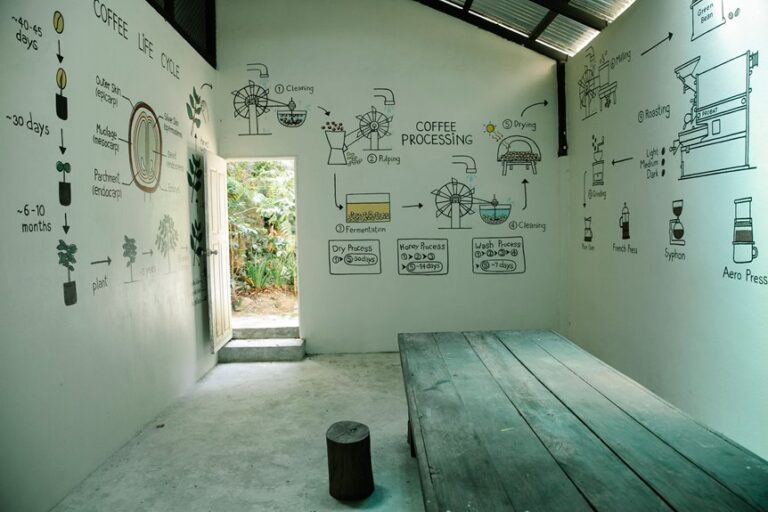
Crafting low acid coffee starts with the bean, because the coffee’s natural acidity comes from both where it grows and how it gets processed.
You can begin by choosing beans grown at lower elevations or using gentle processing methods that help soften sharp flavors.
Roasters then often use longer, slower roasting to calm the acids and bring out smoother flavor profiles.
After that, your brewing techniques matter too. A coarser grind, cooler water, and a shorter brew time can keep the cup kinder and less edgy.
You’ll also observe that many makers focus on balance, not just strength, so you get comfort without losing character.
As you sip it, you can feel part of a crowd that enjoys coffee with less bite and more ease.
Low Acid Coffee vs. Regular Coffee
Upon comparing low acid coffee with regular coffee, you’ll usually notice a gentler acidity level in the cup, which can feel easier on your stomach.
You might also see differences in the beans and the brew, since some low acid options use specific roasts or methods that change the final taste.
Should regular coffee sometimes feel sharp or harsh to you, this comparison can help you find a cup that fits your body and your taste better.
Acidity Levels Compared
Low acid coffee usually has a gentler bite than regular coffee, so it can feel easier on your stomach and taste smoother from the initial sip. You might notice a clear acidity comparison when you sip side by side.
| Coffee type | pH feel | Your experience |
|---|---|---|
| Low acid | Lower tang | Softer start |
| Regular | Brighter tang | Sharper edge |
| Both | Varies depending on the cup | Personal response |
That difference can matter should you want comfort without giving up your daily cup. Many people like low acid coffee for the health benefits they notice in how their body feels after drinking it. Still, regular coffee can bring a lively snap that some fans love. So you can choose the style that fits your taste and your stomach, and feel right at home with it.
Brewing And Bean Differences
Even though two coffees look similar in the bag, the beans and the brew can change how they feel in your cup.
You’ll notice that low acid coffee often starts with softer bean origins, like Brazil or Sumatra, because those beans can bring a gentler edge. Regular coffee could come from brighter regions that taste sharper.
Then your brewing techniques matter, too. Should you use cooler water, a shorter steep, or a coarser grind, you can keep extra bite out of the cup. On the other hand, a hot, fast brew can pull more tang from regular beans.
Which Beans Are Usually Lower Acid
So, which beans usually come out gentler on your stomach? You’ll often feel better with Arabica beans because they tend to have a smoother profile than many other types.
Should you want to stay in the low-acid club, these choices can help you sip with confidence and feel like you belong at the table.
- Arabica beans often taste softer and less sharp.
- Beans grown at lower elevations can seem easier on you.
- Beans from Brazil or Sumatra could feel friendlier in your cup.
- Cold brew made from these beans can taste especially mellow.
As you choose, focus on beans that give you comfort, not drama.
Your coffee routine should feel welcoming, steady, and kind to your day.
How Roast Level Affects Acidity
Roast level can change how acidic your coffee tastes, so you can use it to match your own comfort.
Light roasts often keep a bright, lively edge, while medium roasts usually feel more balanced and gentle.
Dark roasts tend to taste smoother and rounder, which can help you enjoy coffee with less sharpness.
Light Roast Brightness
Upon choosing a light roast, you’re likely to notice a brighter, sharper cup right away, and that’s not your imagination. Those light roast characteristics often lift acidity and make the coffee feel lively, almost sparkling on your tongue.
Should you enjoy joining a crowd of flavor seekers, this style can feel welcoming and exciting.
- Light roasts keep more of the bean’s original acids.
- Their brightness perception can feel like citrus or berry nuances.
- The cup often tastes cleaner, with less roast flavor masking it.
- You might find the sharp edge invigorating, not harsh.
When you sip slowly, you can learn how this brightness fits your taste.
That way, you feel confident picking a brew that matches your vibe and your morning.
Medium Roast Balance
Medium roasts often land in that sweet middle ground where coffee feels smoother, rounder, and easier to enjoy.
Whenever you choose this roast, you often get a calm cup with enough brightness to stay lively but not so much sharpness that it takes over. That’s one reason many people feel at home with it.
The medium roast subtleties come from how heat softens the bean without stripping away its character, so you still taste depth.
Regarding flavor balance, you might notice gentle sweetness, light cocoa, and a cleaner finish.
Should you want coffee that feels friendly and steady, medium roast can help you settle in, sip after sip, with a cup that doesn’t ask for too much and still feels full of life.
Dark Roast Smoothness
As the roast gets darker, coffee usually loses some of its sharp acid and starts to feel smoother on your tongue. You can taste how heat reshapes the bean, so each sip feels calmer and rounder, like you belong with the cup in your hand.
Dark roast benefits often show up in gentler flavor profiles, with cocoa, smoke, and toast leading the way.
- You might notice less brightness.
- You could get a fuller mouthfeel.
- You might enjoy a softer finish.
- You might find easier daily sipping.
Because the roast runs longer, the acids decompose more, and that changes the balance in your favor.
Should lighter coffees feel too lively, a dark roast can give you comfort without losing character.
Brewing Methods That Lower Acidity
Whenever you seek a gentler cup, the way you brew your coffee can make a real difference.
Try cold brew initially, since cool water pulls fewer sharp compounds from the grounds. Should you like a fuller ritual, use a French press and keep the steep time moderate so you don’t draw out extra bite. You can also choose a coarse grind, which helps water move more evenly and keeps the brew from turning harsh.
Subsequently, use slightly cooler water instead of boiling water, because extreme heat can lift more acidity into your cup. Thereafter, brew for the shortest time that still gives you the strength you want.
These small choices can help you feel more at home with your coffee and make each mug easier to enjoy together.
How Low Acid Coffee Tastes Different
Low acid coffee often tastes smoother and softer on your tongue, so you could notice less of that sharp bite some coffees have.
You may also find the flavor feels milder and a little more rounded, which can make each sip seem easier to enjoy.
Because it has reduced brightness, the coffee can feel calmer and less tangy, even when you still get a rich, satisfying cup.
Milder Flavor Profile
Upon switching to low acid coffee, you’ll often observe a softer taste that feels easier on the palate. You can enjoy it with less bite, so each sip feels welcoming and calm.
That milder profile helps you settle in, especially at times you desire coffee that fits your routine without fuss.
- Mellow tones give you a rounder cup that feels balanced.
- Smooth finish lets the flavor fade gently, not sharply.
- You might taste subtle sweetness that feels warm and familiar.
- You can share it confidently, because it suits numerous everyday coffee moments.
That kind of cup doesn’t shout for attention. Instead, it invites you to relax, linger, and enjoy the same comfort your favorite people bring to the table.
Reduced Brightness Sensation
That softer cup also changes the way the coffee wakes up your senses, because the brightness feels less sharp and less sparkly.
You’ll notice that low acid coffee often lowers brightness perception, so each sip lands with a calmer edge. Instead of a lively pop that can feel tangy, you get a smoother rise in the cup.
That shift lets more flavor subtleties come forward, like cocoa, toasted nuts, or gentle spice, without the acid taking center stage. Because of that, you could feel more at ease with the taste, particularly when brighter coffee usually feels too bold for you.
The result can feel welcoming, like the coffee is making room for you rather than asking you to keep up.
Who Should Try Low Acid Coffee
Should coffee often leave your stomach feeling sour, shaky, or uneasy, you could want to try low acid coffee. You might also like it should you desire gentler health benefits without giving up your daily cup.
It can fit your taste preferences whenever you still want rich flavor subtleties and smoother digestive ease. Should you care about bean selection, this style gives you room to investigate coffees that feel kinder on your body.
- You get coffee that could feel softer after breakfast.
- You can use simple brewing tips to keep the cup balanced.
- You might enjoy the same cozy ritual with less discomfort.
- You may feel more at home with coffee that suits you.
Best Low Acid Coffee for Sensitive Stomachs
For a sensitive stomach, the best low acid coffee usually starts with the right bean, the right roast, and a brew method that keeps things gentle.
You’ll often feel better with 100% Arabica beans, since they tend to taste smoother and kinder on your gut. A medium or dark roast can help you enjoy more stomach comfort without losing the cozy coffee feel you love.
Should you care about flavor preferences, choose a cup that matches your style, whether you like chocolate hints, nutty warmth, or a lighter finish.
You can also try cold brew, which often feels easier to sip. Start small, pay attention to how you feel, and make your coffee ritual feel like it fits you, not the other way around.
Common Myths About Low Acid Coffee
Many people assume low acid coffee is always gentle on the stomach, but that’s not quite how it works.
Myth debunking matters because your body reacts to more than acidity alone. Some flavor misconceptions say low acid coffee tastes weak, yet rich roast characteristics can still shine.
Others expect health benefits from every cup, but comfort depends on your own sensitivity.
- Brewing techniques can soften harsh edges, but they don’t change every factor.
- Bean selection shapes taste, body, and how calm your cup feels.
- Low acid coffee isn’t a magic fix, so heed your own signals.
- You can still belong in the coffee crowd and sip with confidence.
How To Choose The Right Low Acid Coffee
Choosing the right low acid coffee starts with grasping how your body responds, because not every gentle-looking bag will feel the same in your cup.
You can begin by checking coffee brands that share roast level, bean origin, and acidity notes. Darker roasts often feel smoother, but you might still need to experiment with a few to find your match.
Next, pay attention to brewing techniques, since cold brew and paper-filtered methods can soften the bite. Should you love a brighter cup, try a low acid blend with medium body initially.
Then listen to your stomach after each cup. That small check helps you stay in the coffee crowd without guessing.
At the time you choose with care, your daily mug feels kinder and still tastes like home.
Frequently Asked Questions
Can Low Acid Coffee Reduce Tooth Enamel Erosion?
Yes, low acid coffee may help reduce enamel erosion somewhat, but it does not ensure complete protection for your enamel. You can support better dental health by rinsing after sipping, limiting exposure, and opting for gentler beverages as well.
Does Low Acid Coffee Contain Less Caffeine?
Not necessarily. You cannot assume that low acid coffee has less caffeine. Caffeine content depends on the beans and brewing methods, not just acidity levels. You will still find plenty of options that fit your taste and preferences.
Is Low Acid Coffee Safe During Pregnancy?
Typically, you are fine in moderation, but you should check with your clinician initially for pregnancy safety. Low acid benefits might soothe your stomach, yet your little routine deserves personalized guidance, particularly when caffeine concerns you.
Can Cold Brew Be Considered Low Acid Coffee?
Yes, you can often consider cold brew low acid coffee. Your brewing techniques matter and cold brew has benefits that include a smoother flavor and gentler digestion. This allows you to feel included in a café crowd that loves coffee.
Does Water Quality Affect Coffee Acidity?
Yes, it does. You will taste more brightness or smoothness depending on water hardness and mineral content because they influence extraction. If you want a brew that suits your group, choose balanced water to achieve the sweet spot.