
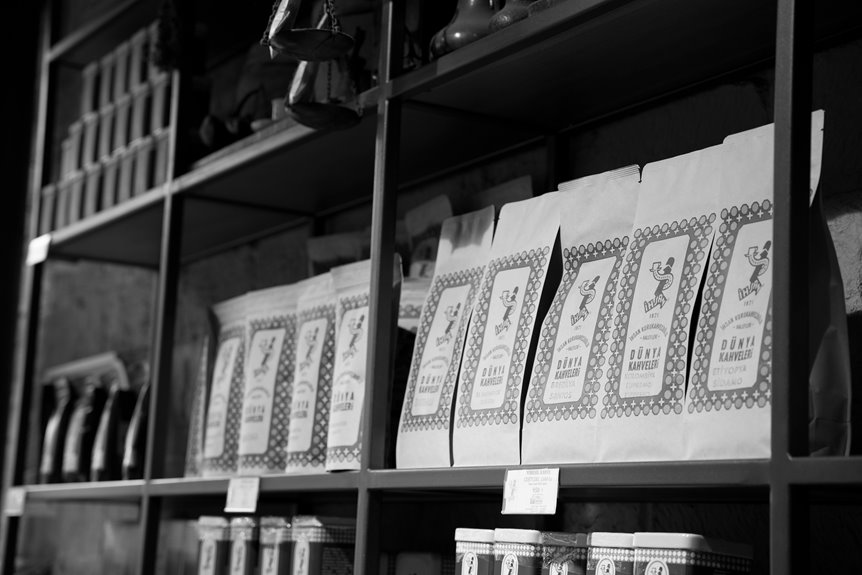
Opened coffee stays good longest as whole beans, shorter as ground, and longest-stable as instant. Proper storage in a cool, dark, airtight container slows flavor loss and staling. Roast date and packaging matter more than sell-by dates for taste quality. Expect peak flavor for whole beans around 2–4 weeks after opening, ground coffee around 1–2 weeks, and instant coffee for many months. Simple storage steps keep brewed cups tasting closer to fresh.
How Long Does Coffee Last After Opening?
Once you open coffee, it starts to lose its best flavor sooner than you might expect.
You still have some coffee shelf life left, but your opened limits depend on air, heat, light, and moisture.
Ground coffee usually stays pleasant for about one to two weeks after opening, while it can remain safe longer provided you store it well.
You’ll notice the taste fade initially, and that’s normal, so don’t blame yourself for a flat cup.
To stay in the sweet spot, keep the lid tight, use a dry spoon, and avoid leaving the bag near the stove.
Should you want your mornings to feel comforting and familiar, treat opened coffee gently.
Small care steps help you protect the flavor you love.
How Long Do Whole Coffee Beans Stay Fresh?
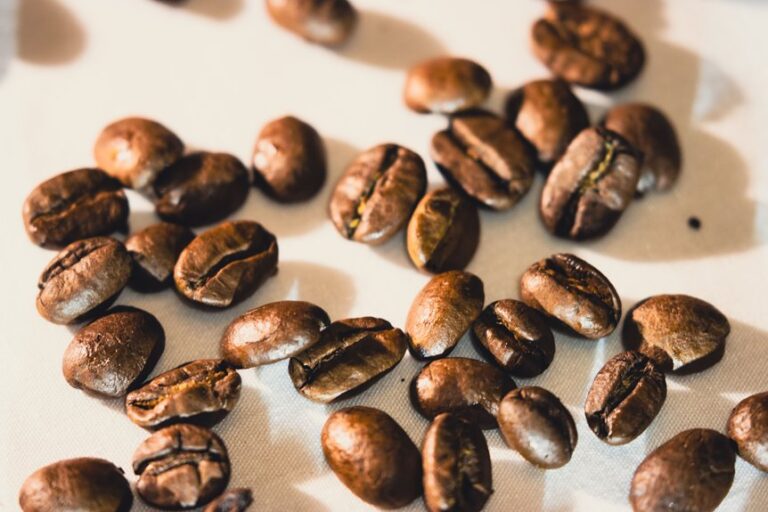
Whole coffee beans usually stay fresh longer than ground coffee because less surface area touches air.
You can expect them to taste best for about 2 to 4 weeks after opening, though a cool, dark, sealed container helps them hold on longer.
Your beans stay brightest when you keep out heat, light, moisture, and extra air.
Roast profiles also matter, since lighter roasts often keep different flavors than darker ones.
Should you enjoy origin tracing, you might notice that beans from different regions fade at different speeds.
So, upon opening a bag, regard it like joining a small coffee club, where everyone wants the same thing, a lively cup.
Once the aroma softens, the beans still work, but their spark has started to slip.
How Long Does Ground Coffee Last?
Ground coffee loses its freshness faster than whole beans, but that doesn’t mean it turns bad right away.
You can usually enjoy it for one to three weeks after opening provided you keep it sealed, cool, and dry.
After that, the coffee oils start to fade, and the flavor compounds lose their spark.
You might still brew a safe cup, but it’ll taste flatter and less lively.
Should you want your coffee to feel like part of your morning crew, treat it kindly.
Use an airtight container, keep it away from heat and light, and scoop only what you need.
With a little care, you’ll keep more of that warm, rich taste you love.
How Long Does Instant Coffee Last?
Instant coffee usually lasts a long time after opening, so you can breathe easy provided the jar has been sitting in your pantry for a while.
You can usually keep instant coffee for years, and its soluble blends stay useful well past the initial scoop.
Provided you seal the container tightly after each use, you help protect the flavor you count on each morning.
In most homes, opened instant coffee still tastes best within one to two years, though it often remains safe longer.
For your routine, trust your senses. Should the smell feel weak or the flavor seem flat, your cup mightn’t give you the cozy lift you want.
Still, you’re in good company with instant coffee because it stays dependable and easy.
What Makes Coffee Go Stale Faster?
Coffee goes stale faster whenever air, heat, moisture, and light keep reaching it, because each one chips away at the taste and smell you expect. You can slow that down through keeping your coffee sealed tight, since every extra breath of air raises the oxidation rate.
In case you store beans or grounds near the stove or sunny window, the oils deteriorate faster, and the flavor slips away. Moisture absorption also matters, because damp air can soften coffee and dull its fresh edge.
Signs Your Coffee Has Gone Stale
Provided your brew starts to smell flat instead of rich, that’s usually the initial clue it’s gone stale. You might also notice a papery taste, weaker flavor, or a dull finish. Those shifts happen because oxidation effects slowly strip away the lively notes you expect.
| Sign | What You Notice | What It Means |
|---|---|---|
| Aroma | Flat or dusty | Fresh oils have faded |
| Taste | Bitter, bland, or papery | Flavor has broken down |
| Look | Clumping or spotting | Possible mold growth |
If your coffee feels lifeless in the cup, trust your senses. You belong in that small group of people who can spot the difference fast, and your morning doesn’t have to settle for less. Whenever the scent, taste, and appearance all feel off, it’s time to move on.
Best Ways to Store Coffee After Opening
To keep your coffee tasting lively, you’ll want to lock in its freshness right after you open it. Use airtight containers that seal well, because air steals aroma fast.
Pick a dark, dry spot in your kitchen, away from the stove, sink, and sunny windows. That cool storage helps your beans or grounds stay steady and calm, like they’re getting a quiet break.
Should you buy coffee in a bag, squeeze out extra air before you close it, then tuck it into the container. Keep the lid shut between uses, and scoop only what you need.
You’ll feel better appreciating each cup still has a chance to taste bold, warm, and familiar, just the way your coffee crew likes it.
Can You Freeze Coffee to Keep It Fresh?
Yes, you can freeze coffee, and it can help slow down freshness loss whenever you need to store it for a longer stretch. You’ll get the best results provided you freeze whole beans or small portions in airtight bags, so each batch stays sealed from air and moisture.
Should you buy more than you can use soon, this can feel like a smart backup plan for your coffee shelf. For cold brew fans, freezing can also protect extra grounds prior to you brew. Some people use flash freezing for small packs, which helps keep flavors more stable.
Once you’re ready, move the coffee back to room temperature before opening it. That simple step keeps your routine easy and helps your coffee feel like it still belongs in your cup.
How To Tell If Coffee Is Still Fresh?
You can often tell coffee is still fresh through giving it a quick sniff initially, since strong, lively aroma usually means better flavor.
Next, check the beans or grounds for a dry, even look and watch for dull color, clumps, or oily spots that can hint at staleness.
Provided it still smells good and looks normal, brew a small cup and taste it, because your tongue will usually spot flat or stale coffee fast.
Aroma Check
A quick sniff can tell you a lot about coffee’s freshness. Whenever you open the bag, trust your nose initially. Fresh coffee should feel warm, lively, and familiar, like your cup ritual waiting to begin. In case the smell still sparks your scent memory, you’re probably in good shape.
- Bright, sweet notes usually mean the beans still have life.
- A flat, dusty smell can signal that flavor has faded.
- A sour or stale odor often means it’s time to replace them.
You don’t need fancy tools to check. Just pause, breathe in, and notice what you feel. Good coffee should invite you in, not make you hesitate. Should the aroma still makes you smile, your next cup will likely feel comforting and satisfying.
Visual Inspection
The eyes can spot stale coffee faster than you could envision. Look at the beans or grounds initially. Fresh coffee should look even in color, not faded, dusty, or blotchy. In case you see clumps, that can mean moisture got in. Check for mold growth on the surface, inside the bag, or around the seal. Even a tiny fuzzy patch means you should toss it.
Next, inspect container integrity. A pouch with tears, loose folds, or a weak seal lets air sneak in and steals freshness fast. Should you use a jar, make sure the lid shuts tight and the glass stays dry. You’re part of a coffee crowd that likes every cup to feel right, so trust your eyes whenever something looks off.
Taste Test
Provided that the beans still look fine, give them a small taste check next, because coffee can look okay and still fall flat. Brew a cup the way you usually do, then notice the initial sip. Fresh coffee feels lively, while stale coffee tastes dull, papery, or oddly sour. In case you enjoy flavor profiling, trust those tiny clues, because they tell you a lot.
- Smell the brew initially and look for a bright, warm aroma.
- Sip slowly and check whether the flavor still feels rich for your brew pairing.
- Notice the finish. Fresh coffee leaves a clean, pleasant aftertaste that makes you want another sip.
Should it taste flat, you’re not being picky. You’re just keeping your coffee circle honest.
Frequently Asked Questions
Can Coffee Still Be Used After the Expiration Date?
Yes, you can still use coffee after its expiration date, but trust your nose and taste buds. Flavor might fade, taste changes happen, and if you see mold growth you should toss it to stay in the safe circle.
Does Coffee Lose Caffeine as It Gets Older?
Yes, your coffee can lose a little caffeine over time, but not much. Caffeine degrades slowly, while chemical breakdown mainly affects flavor. You’ll still get a good brew even if it’s older.
Is Vacuum-Sealed Coffee Better for Long-Term Storage?
Yes—vacuum-sealed coffee usually stores better long term because you slow oxygen exposure, helping taste preservation and aroma retention. You’ll keep your beans fresher, so you can brew confidently and still feel part of the coffee crowd.
Can Flavored Coffee Go Stale Faster Than Regular Coffee?
Yes, flavored coffee can go stale faster, like a bouquet losing scent. You’re sharing added sugars and aromatic oils that can fade sooner, so store it airtight, and you’ll keep your coffee community’s favorite brew fresher longer.
Should Coffee Be Refrigerated After Opening?
No, you shouldn’t refrigerate coffee after opening; fridge myths can mislead you. You will protect flavor better with airtight storage and moisture control, helping your coffee stay fresh, so you can enjoy every shared morning brew.