
Ever wonder why some coffee beans come with a higher price tag? It’s not just about the taste. The location where beans grow, the skill involved in picking them, and the care taken after harvest all play a big role. When farmers use ethical practices and quality checks, costs naturally rise. Plus, roasting, shipping, and demand for specialty beans push prices even higher. So, that premium bag of coffee? It’s a reflection of a lot more than just flavor.
What Makes Coffee Beans So Expensive?
Coffee beans can feel pricey because a lot happens before they ever reach your cup. You pay for flavor profiles that stand out, and those come from regional varieties, careful roasting techniques, and brewing methods that bring out each bean’s best side.
At the same time, market trends and consumer preferences can push certain beans higher as more people want them. Subsequently, you’ve got the supply chain, which adds handling, transport, and storage costs.
Sustainability practices and coffee certifications also matter, since they help support better growing and labor standards. Even price fluctuations can change what you see on the shelf from week to week.
Coffee Prices Start at the Farm
As you look at coffee prices, keep in mind that they start on the farm, where growers pay for land, tools, water, and care long before any beans leave the field.
Harvesting also adds real cost, since workers must pick ripe cherries manually, and that labor can shape the final price quickly.
On top of that, quality and yield matter a lot, because a small harvest of top-grade beans often costs more than a larger crop with lower quality.
Farm Production Costs
At the farm, coffee prices begin with the work that happens long before any bean reaches a roaster or store shelf. You pay for inputs, water, shade management, and upkeep that keep the plants healthy.
Good sustainability practices can raise costs initially, but they protect the land you count on. Organic certification adds paperwork and careful field care, yet it can open better markets.
Climate impact matters too, because droughts, storms, and heat can cut yields rapidly. Labor rights also shape cost, since fair pay and safe conditions belong in a quality crop.
Subsequently, market fluctuations, regional differences, technological advancements, and export regulations can lift or lower prices. As farms invest well, you get coffee with more trust behind every cup.
Harvesting And Labor
Because picking coffee is so labor-heavy, harvesting has a big effect on what you pay before the beans even leave the farm.
Whenever you choose beans, you’re also backing the hands that gather them. Different harvesting techniques and picking methods need more time, and labor shortages can push worker wages higher.
Seasonal variations and climate impact can make the work harder, so farms often adjust crop rotation to keep crews busy and land healthier. That effort can support rural development, but it also raises costs.
Fair trade programs help by aiming for steadier pay and safer work. And at the point farms invest in quality assurance during harvest, they protect both people and the coffee you’ll enjoy.
Quality And Yield
Even before coffee leaves the farm, quality and yield start shaping the price you’ll see later. You can taste that difference in taste profiles, bean varieties, and aroma complexity.
Whenever a farm grows fewer cherries, each bean has to carry more value. Should the crop show bright flavor indicators, steady size, and clean defects, buyers notice. Good processing techniques also lift the lot, because careful washing or drying protects the cup.
Regional characteristics matter too, since altitude, soil, and climate can deepen flavor. As a result, farms that match consumer preferences often earn stronger market demand.
You’re really paying for careful work, not just a bag of beans. And yes, the best lots can feel like a small coffee club invitation in every cup.
How Coffee Origin Raises Prices
As soon as coffee grows in a faraway or hard-to-reach place, the price usually climbs before the beans ever reach your cup. You feel that rise because farmers and shippers must move the crop through long routes, extra borders, and sometimes small ports that add time and fees.
At the moment the bag carries a known region name, you also pay for its reputation, because buyers trust those origin stories and the terroir impact they signal. That name can help you feel connected to a place and to the people behind it, which many coffee lovers value.
How Growing Conditions Affect Coffee Prices
As coffee plants grow, the weather around them can alter the price in a big way. At the moment you choose beans, you’re also choosing climate impact, because heat, rain, and frost can change harvest size and flavor.
Good soil quality helps plants stay strong, so farmers in rich ground often produce more reliable crops. Altitude effects matter too since cooler mountain air can slow growth and deepen taste, which can raise value.
Next, water availability shapes how well plants fill their cherries, and dry spells can cut supply fast. Pest management also adds cost because growers must protect the crop without hurting quality.
Why Hand-Picked Coffee Costs More
Hand-picking coffee costs more because it takes more time, more skill, and more careful labor than machine picking. You pay for people who can spot ripe cherries one at a time and protect the best beans. That extra attention lifts labor quality, and it shows up in the cup you share with friends.
It also creates real hand picking benefits, since workers can leave unripe fruit behind and keep the harvest cleaner. Because the process moves slowly, farms need more hands in the field, and that raises costs fast.
How Processing Methods Raise Coffee Costs
Processing methods can push coffee prices up because washed beans need extra water, equipment, and labor to clean and dry them well.
Should you choose honey-processed coffee, you might also pay more since workers must watch it closely and handle it manually.
Fermentation takes time too, and that waiting can add real cost before the beans ever reach your cup.
Washed Processing Expenses
As soon as coffee goes through washed processing, the cost can rise fast, and that can surprise one provided that they’re only looking at the farm price. You’re paying for more water, extra sorting, and careful cleaning that protect quality. That’s why the washed processing benefits often include a brighter cup, but the washed processing challenges also show up in the bill.
- You need tanks, channels, and drying space.
- You also pay for fresh water and waste handling.
- Workers must move cherries and monitor each step.
- Small mistakes can lower the lot’s value.
- Better cleanliness can help you feel proud of the cup.
Honey Method Labor
Although honey processing can look simpler than a full wash, it still demands careful labor that pushes coffee costs higher. You get beans that keep more fruit on them, so workers must handle each lot with steady attention.
They use careful labor techniques to spread, turn, and sort the coffee at the right intervals. That extra touch takes trained hands and more time from the crew. You also rely on people who know how to protect flavor without bruising the beans, and that skill adds value.
Fermentation Time Costs
Upon coffee sitting longer in fermentation tanks or in fruit after picking, time itself starts to raise the cost. You pay for extra care, more watchful labor, and tighter control, because each hour can shape the flavor profile.
- Longer fermentation duration means more tank space.
- Workers check temperature and smell more often.
- Small mistakes can spoil a lot of beans.
- Clean equipment takes time and money.
- Careful timing can enhance quality, but it also adds cost.
Why Smaller Harvests Mean Higher Prices
As soon as a coffee harvest comes in smaller than usual, prices usually climb because there are fewer beans to go around and the whole market feels that squeeze. You feel it initially in your cup and then in the store. As climate impact cuts yields, growers have less to sell, while market demand keeps pulling hard. That imbalance pushes costs up for everyone in your coffee circle.
| Harvest size | Beans available | Price pressure |
|---|---|---|
| Big | Many | Low |
| Normal | Enough | Steady |
| Small | Few | High |
How Coffee Grading Affects Price
Whenever coffee gets graded well, it usually costs more because buyers know they’re getting cleaner, more consistent beans. You can see how grading criteria shape the shelf price fast.
Whenever lots score higher for size, defects, and tasting descriptors, roasters trust the cup more, and that lifts market demand. Different bean varieties can still earn top marks, but only provided they meet quality standards and match consumer preferences for certain flavor profiles.
- Fewer broken beans mean better value.
- Clearer tasting descriptors help you pick what you like.
- Higher scores often bring price fluctuations.
- Careful sorting cuts down on surprises.
- Strong grades build trust in every bag.
How Ethical Sourcing Raises Coffee Prices
Ethical sourcing can push coffee prices up because it asks everyone in the supply chain to do better, not cheaper. Whenever you choose ethical trade, you help pay fair wages and support sustainable farming, which strengthens community impact. That care shows up in the cup.
| Factor | Why it costs more | You gain |
|---|---|---|
| Fair wages | Farmers keep more income | Better lives |
| Certification costs | Audits and records add expense | Trusted standards |
| Transparency issues | Tracking beans takes work | Clearer origins |
Consumer demand also matters, because more buyers want coffee with strong quality assurance and honest sourcing. So, in case you want beans that respect people and land, you’ll often pay a little more, and that extra helps the whole coffee family grow.
Why Roasting and Shipping Add to Cost
Upon purchasing coffee, roasting adds cost because roasters need special equipment, skilled workers, and steady energy to turn green beans into a rich brew.
Shipping also pushes prices up since longer distances mean more fuel, more time, and more risk of damage or delays.
Subsequently, packaging and handling add another layer, because your beans need protection so they arrive fresh, safe, and ready for your cup.
Roasting Equipment Costs
Roasting coffee isn’t just about heat and beans, because the equipment behind it can quietly push the price up fast.
- Bigger drums cost more
- Digital controls improve roasting techniques
- Better insulation saves energy
- Equipment maintenance keeps batches steady
- Safety parts add real value
When one pays for a roaster, one also pays for the skill it supports. A simple machine can work, but it could limit flavor and consistency.
That’s why stronger gear often helps roasters serve you with more care. In a small shop, each upgrade matters because it protects quality and lowers mistakes.
Even the oven-like parts, fans, and filters need attention, so the budget grows. Should you desire beans that feel thoughtfully made, you’re often sharing the cost of the tools that make that possible.
Shipping Distance Impact
As beans travel farther from the roaster to your cup, the price can rise in quiet but very real ways. Whenever you buy from a nearby roaster, you often help keep costs steadier and fresher. Farther trips demand more shipping logistics, more fuel, and more time on the road or in the air. That adds up fast.
| Distance | Cost Effect | What You Feel |
|---|---|---|
| Local | Lower | Faster delivery |
| Regional | Moderate | Fair price |
| Cross country | Higher | Extra wait |
| Overseas | Highest | Bigger carbon footprint |
You can also feel good realizing shorter routes often reduce environmental impact. So whenever beans cost a bit more, you’re often paying for the path they took, not just the roast.
Packaging And Handling
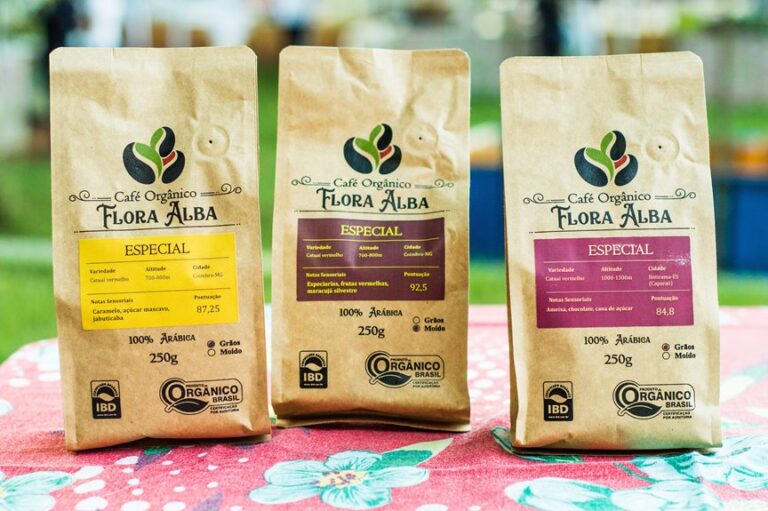
Even the best coffee beans need careful packaging and handling before they reach you, and that work quietly adds to the final price. You’re not just paying for a bag. You’re paying for care that protects flavor and keeps the beans fresh.
- Sealed bags block air and light
- Valves let gases escape after roasting
- eco friendly packaging can cost more
- Boxes and liners prevent damage in transit
- sustainable handling lowers waste, but needs training
After roasting, beans stay delicate, so workers move them fast and with care. That helps you get a better cup, but it also raises labor and material costs.
Whenever brands choose stronger wraps, safer storage, and cleaner shipping, you benefit from fresher coffee and a smoother experience.
Specialty Coffee vs. Commodity Coffee
Upon comparing specialty coffee with commodity coffee, you’re really looking at two very different ways coffee gets grown, selected, and sold. Specialty beans meet specialty characteristics through careful farming, picking, and roasting, while commodity lots follow broad commodity standards for volume and consistency. You can see the difference here:
| Coffee Type | What You Notice | Why It Matters |
|---|---|---|
| Specialty | Bright flavor, clear origin | You get a more distinct cup |
| Commodity | Steady taste, wide supply | You pay for scale, not subtlety |
| Both | Roasted into your routine | You still belong at the table |
Is Expensive Coffee Worth It?
So, is expensive coffee worth it? Sometimes, yes, should you care about value perception and real taste differences. You’re not just paying for beans; you’re paying for careful growing, picking, roasting, and often a smoother cup.
That said, pricey coffee only feels worth it once it matches your habits and palate.
- You could notice brighter flavors.
- You might get less bitterness.
- You can support skilled farmers.
- You could brew with more care.
- You might enjoy each sip more.
Should you usually add lots of cream and sugar, the upgrade could feel small.
But should you love clean, distinct flavors, expensive coffee can make your morning feel special. You deserve a cup that fits your taste and your budget.
Frequently Asked Questions
What Does “single-Origin” Mean for Coffee Beans?
You are purchasing beans from a specific location, such as a single farm, region, or cooperative. This allows you to experience unique flavor profiles and more transparent sourcing practices. You will often feel a connection to the growers and the story behind the coffee.
Are Expensive Coffee Beans Always Freshly Roasted?
No, they are not always freshly roasted. If you look closer, you will see that freshness factors and roasting methods tell the real story. You deserve beans that feel like they belong in your cup, but dates can still mislead.
Do Decaf Beans Cost More Than Regular Coffee Beans?
Yes, you will often pay more for decaf beans because the decaf processing adds cost and the flavor differences can require careful roasting. You still belong at the table enjoying coffee that fits your taste and budget.
Can Ground Coffee Cost Less Than Whole Beans?
Yes, you can often find ground coffee cheaper than whole beans because you are paying less for convenience. However, you might lose some flavor profile, and different brewing methods can highlight that difference in your cup.
How Long Do Premium Coffee Beans Stay Fresh?
Premium beans stay freshest for about 2 to 4 weeks after roasting. You can preserve that magic best with smart storage techniques because your brewing methods can only shine when you protect every aromatic detail.