
Storing coffee correctly is essential for keeping its rich aroma and flavor intact. Heat, light, air, and moisture are the main culprits that can quickly spoil your beans. Even small mistakes, like leaving the bag open or grinding coffee too early, can lead to a bland brew. Fortunately, a few easy changes can make a big difference in preserving freshness. Prioritizing the right storage techniques can elevate your coffee experience significantly.
How Storage Mistakes Make Coffee Go Stale
Should coffee sit in the wrong place, it starts losing the fresh, rich smell you love much faster than you could anticipate.
Whenever you break freshness factors, you shorten coffee longevity and hurt aroma retention, even before you notice the change. Heat, light, and air all push beans out of ideal conditions, so flavor preservation slips away.
Should you grind too soon, grinding methods can speed the loss, and brewing impact turns flat and dull. Good storage techniques help you protect the taste you count on, and they keep each cup feeling familiar and welcoming.
You’re not doing anything wrong regarding it. Small mistakes happen, but they don’t have to win. With a little attention, you can keep your coffee’s comfort, depth, and character alive longer.
Use the Right Coffee Storage Container
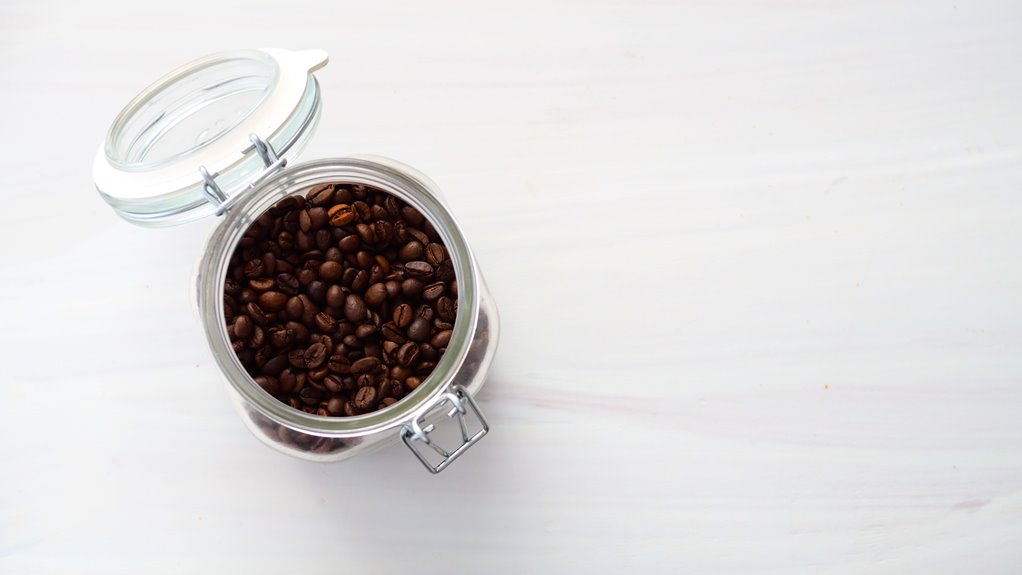
A good coffee container can make a bigger difference than you might expect. You want one that fits your routine and makes you feel like your coffee habit belongs to a smart, caring crew. Choose ideal materials like glass or steel, then look for an airtight seal that keeps flavor in.
- Pick stylish containers should you keep beans on the counter.
- Try vacuum storage whenever you want extra freshness.
- Use light blocking options and size variations that match your space.
- Choose decorative storage with portability features or eco-friendly choices should you carry coffee often.
Also, consider simple temperature control through placing the container in a steady spot. The right choice feels practical, looks good, and helps your coffee stay ready for your next great cup.
Keep Coffee Away From Heat and Light
Sunlight and heat can steal coffee’s best flavor faster than one might expect, so it helps to give your beans a cool, shaded home.
You want a storage environment that stays steady, because swings in coffee temperature can speed up staling and leave your brew flat. Keep the bag or container away from ovens, stovetops, windows, and warm appliances.
A pantry shelf or closed cabinet works well, since it shields your coffee from bright light and extra warmth. In case you share a kitchen, make this a team habit so everyone knows where the beans belong.
Small choices like these protect aroma, keep the taste lively, and help you feel confident every time you reach for your favorite cup.
Avoid Moisture in Coffee Storage
Moisture can ruin good coffee just as fast as heat can dull it, so your storage spot needs to stay dry as well as cool. You can protect your beans through watching humidity control and picking a storage location away from sinks, steam, and damp walls.
Try these storage techniques:
- Use airtight seals on every bag or jar.
- Choose a container material that blocks water and won’t absorb smells.
- Check environment factors like leaks, condensation, and changing room air.
- Keep up moisture prevention after each use by closing the container tightly.
When you do this, you guard freshness retention, support flavor preservation, and help your coffee lifespan last longer.
It’s a small habit, but it makes your kitchen feel a little more like a place that truly gets coffee right.
Don’t Store Coffee in the Fridge
You may consider the fridge keeps coffee safe, but it can actually pull in moisture and nearby odors that change the taste.
Every time you open the door, the temperature shifts too, and that can wear down your beans faster than you’d expect.
Moisture and Odor Absorption
A fridge can seem like a smart place to keep coffee fresh, but it often does the opposite. Your beans can soak up coffee moisture and nearby smells fast, which hurts flavor integrity and odor retention.
Instead of feeling part of the coffee crowd, you might end up with a stale cup.
Use better preservation techniques in a dry storage environment:
- Keep coffee in airtight containers.
- Choose a cool shelf away from steam.
- Watch humidity levels in your kitchen.
- Follow simple freshness tips each time you open the bag.
When you protect coffee from damp air and strong odors, you help it stay bold, clean, and welcoming in every brew.
That small habit makes your daily cup feel a lot more like home.
Temperature Fluctuations Damage
Even though the fridge feels like a safe spot, its constant temperature swings can quietly ruin your coffee. You want temperature stability because beans stay happiest in a steady, cool pantry.
Every time you open the door, warm air rushes in, then cold air drops back fast. That bounce creates condensation on the beans, and moisture speeds staling.
Should you keep coffee in the fridge, even tight bags can’t offer enough thermal insulation to protect it. Instead, choose a dark cabinet away from the stove, sink, and sunny windows.
There, your coffee keeps its flavor longer, and you feel better realizing your morning cup will still taste like home. With a simple storage habit, you and your coffee stay on the same team.
Buy Coffee in Smaller Batches
Upon purchasing coffee in smaller batches, you give yourself a shorter freshness window, so each cup can taste brighter and more lively.
You also cut down on flavor loss because the beans spend less time sitting around after roasting.
And with smaller buys, you can plan better, match your use to your routine, and avoid wasting coffee you meant to enjoy.
Shorter Freshness Window
Buying coffee in smaller batches can make a big difference, because fresh coffee doesn’t stay lively forever. Whenever you choose less at once, you give yourself a shorter freshness window and more control over the beans you share with your kitchen crew.
That means you can match your habits with real freshness factors instead of guessing.
- Buy only what you’ll use soon.
- Keep a simple memo on roast date.
- Pick storage techniques that fit your routine.
- Replace old coffee before the next bag waits too long.
This approach helps you feel prepared, not rushed. You’ll know your cup belongs to this week, not last month, and that little shift can make mornings feel more welcoming.
Reduced Flavor Loss
Smaller coffee batches can save more flavor than you might realize, because your beans spend less time sitting around and fading.
Whenever you buy just enough for a short stretch, you support flavor preservation and aroma retention with simple freshness tips. You can then use smart storage techniques, like keeping beans sealed and away from heat, so each cup tastes lively.
This also helps your brewing methods show off the coffee quality you picked through careful bean selection. Instead of losing the bright tasting hints you wanted, you keep more of the cup’s natural charm.
And honestly, that feels good, because your daily coffee starts to taste like it belongs to you, not the back of a forgotten shelf. Small batches make freshness easier to protect.
Better Purchase Planning
Planning your coffee purchases in smaller batches gives you more control over freshness from the start. You’ll skip the stress of bulk buying, and your cupboard won’t turn into a sad museum of stale beans.
With better budget planning, you can match each buy to your real use.
- Watch roast dates before you buy.
- Compare freshness indicators on the bag.
- Try coffee subscriptions or seasonal purchases for variety.
- Support local roasters who list clear flavor profiles.
When you buy less, you can taste what you actually love, not what sat around too long. That makes each cup feel more like your coffee community, where every bag fits your rhythm.
Small batches also help you stay flexible, so your next purchase can follow your mood, your schedule, and your favorite brew.
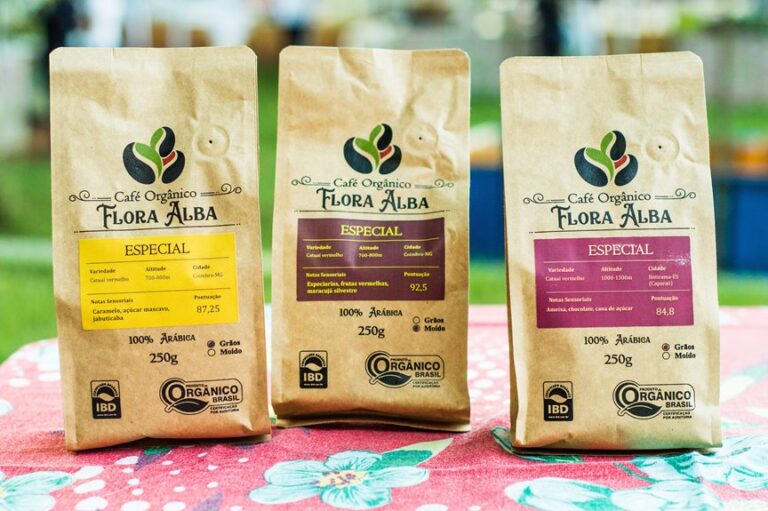
Keep Coffee in the Original Bag?
Should you not have opened the bag yet, the original coffee bag can be a good place to start, but only whenever it has a one-way valve and a strong resealable closure.
You can trust the original packaging whenever it feels sturdy and blocks light well. That matters because thin bags tear, and weak seals let air sneak in like an uninvited guest.
After you open it, press out extra air, seal it tightly, and tuck it in a cool, dry spot.
In case the bag feels flimsy, move your coffee to a better container soon. You don’t need fancy gear to do this well. You just need a bag that protects the beans and gives you a simple routine.
Your coffee community would call that a smart, low-stress win.
Store Whole Beans Instead of Grounds
Whole beans stay fresh longer, so you give your coffee a better chance to keep its true character.
At the moment you grind just before brewing, you release more of that rich aroma and fuller flavor right into your cup.
It’s a small change, but it can make your morning coffee taste a lot happier.
Whole Beans Last Longer
Should you want your coffee to taste fresh for as long as possible, start with the beans, not the grounds. Whole beans protect bean freshness because less surface touches air, so flavor preservation and aroma retention last longer.
For ideal storage, keep them in airtight containers, away from light and heat, at a steady storage temperature. These freshness tips support coffee longevity and help you enjoy a fuller cup during the full storage duration.
- Choose whole beans initially.
- Seal them right away.
- Keep them cool and dry.
- Use grinding techniques only when you need a cup.
As soon as you store beans well, you join the crowd of coffee lovers who get more from every bag. It’s a small habit, but it makes your morning feel much more rewarding.
Grind Just Before Brewing
Grinding just before brewing can make a bigger difference than most people expect, because once coffee is ground, it starts losing its charm fast.
You keep more freshness when you grind at the right timing for your brewing method, since each grind size changes the extraction rate and your flavor profile.
Should you use a French press, drip maker, or espresso setup, you need the right grind uniformity so the coffee types you love taste balanced, not bitter or weak.
Small changes in brewing temperature also matter, but fresh grounds give you a stronger freshness impact right away.
Preserve Aroma And Flavor
Should you want your coffee to keep that rich smell and smooth taste, start with the beans, not the grounds. Whenever you store whole beans, you protect aroma retention and improve flavor enhancement.
Grounds lose their spark fast, so you’re left with a flat cup that feels less like home.
- Keep beans sealed in an airtight container.
- Store them away from heat, light, and moisture.
- Grind only what you need for each brew.
- Choose smaller batches so your stash stays fresh.
This simple habit helps you stay part of the fresh-coffee crowd you enjoy. You’ll notice the scent stays lively, and the taste feels fuller.
Plus, your morning cup won’t act like it forgot its best lines.
Limit Air Exposure After Opening
Once you open a coffee bag, air starts working against you right away, so keeping that exposure low matters more than most people realize.
You can protect the beans by moving them into airtight containers soon after opening, then sealing them tightly each time. Should you purchase coffee in larger amounts, vacuum sealing extra portions helps you keep the rest fresh for later.
Also, don’t leave the bag open while you measure grounds, because even a few extra minutes lets more oxygen slip in. Instead, close it as soon as you can and handle it like something worth guarding.
That small habit helps you feel more in control of your coffee, and it keeps each cup closer to the flavor you were hoping for.
Fix Your Coffee Storage Habits
Should your coffee have started tasting flat, bitter, or just plain sad, your storage habits could be the real problem. You can fix that fast with better storage techniques that protect coffee flavor and keep your kitchen crew proud of every cup.
Try this:
- Seal beans in an airtight container.
- Store them in a cool, dark spot.
- Keep them away from the fridge.
- Grind only what you need.
These freshness tips help you hold onto the taste you paid for, and they also support better brewing methods, since fresh grounds extract more evenly.
Should you have been treating your beans like shelf decor, don’t worry. A few small changes can bring your coffee back to life and make your daily cup feel welcoming again.
Frequently Asked Questions
Can Freezing Coffee Beans Preserve Freshness Longer?
Yes, you can freeze coffee beans to preserve freshness longer if you seal them well. Freezing methods work best with high quality beans. You will keep your brew tasting fresher whenever you join careful coffee lovers.
Does Grinding Coffee Right Before Brewing Matter?
Yes, grinding right before brewing matters. You can lose up to 60 percent of aroma in 15 minutes. Your grinding techniques and brew methods help you keep flavor, feel confident, and belong with every cup.
How Long Do Sealed Coffee Beans Stay Fresh?
Sealed beans usually stay fresh for 6 to 12 months. However, the freshness timeline depends on storage conditions. Keep them cool, dry, and away from light to better preserve flavor with your coffee crew.
Should I Store Flavored Coffee Differently?
Yes you should store flavored coffee in airtight storage containers away from heat and light because its added oils fade fast. Keep it sealed so you will preserve the aroma and enjoy every cozy cup longer.
Can I Reuse Coffee Bags for Storage?
Yes, you can reuse coffee bags but only if they are clean, odor-free, and airtight. Studies show that freshness drops quickly after opening. Choose sturdy bag types for home storage so your coffee still feels like yours.