
Fair trade coffee is coffee sold under standards that aim to give farmers fair pay, safe working conditions, and support for sustainable farming. It often comes from cooperatives and carries third-party certification seals that verify those standards. These practices can stabilize incomes and fund community projects like schools and health clinics. Farming methods tied to fair trade often protect soil and water, promoting long-term productivity. Drinking fair trade coffee connects each cup to clearer supply-chain practices and more reliable livelihoods for producers.
What Is Fair Trade Coffee?
Although the label can sound a little formal, fair trade coffee simply means coffee grown and sold under rules that aim to protect the people who farm it. You’re choosing beans that support fair pay, safer work, and stronger local voices.
That matters because your daily cup can help families stay rooted in their land and plan for the future.
You also support community cooperatives, where farmers work together, share resources, and make decisions as a group.
This shared structure can strengthen climate resilience, too, because growers often learn better ways to handle heat, drought, and changing rain.
How Certification Works
As you choose fair trade coffee, certification standards help make sure farmers meet clear rules for fair pay, safe working conditions, and better environmental care.
Next, an outside auditor checks those farms and supply chains, so the label on your bag means more than just a nice promise.
That process gives you a simple way to trust what you’re buying and support farmers with more confidence.
Certification Standards
Fair trade coffee certification works through a clear set of standards that growers, cooperatives, and buyers must meet before a product can carry the label. You get a system that helps people feel connected to honest trade and shared purpose. Third party verification checks the rules, while premium premiums support better farming and community needs.
- You must follow labor and environmental rules.
- You must join an approved cooperative or supply chain.
- You must keep clear records of your coffee.
- You must meet fair pricing and social standards.
These standards give you confidence that your cup supports real people, not just a logo. Whenever you choose certified coffee, you join a group that values fairness, dignity, and steady growth.
Audit And Labeling
Because fair trade depends on trust, the audit process gives that trust a real foundation. You can feel better appreciating third party audits check farms, co-ops, and exporters against clear rules. Inspectors review records, talk with workers, and look at pay, safety, and traceable beans.
Provided a group falls short, it must fix the problem before it can keep the label. That label matters because it helps you spot coffee that supports fair treatment, not just good taste. Over time, seal evolution has made the mark easier to recognize, so you can shop with more confidence. Whenever you choose a certified bag, you join a community that values honesty, respect, and shared care.
What Fair Trade Standards Require
To protect both farmers and shoppers, Fair Trade standards set clear rules for how coffee gets grown, priced, and sold.
You can trust that these rules ask buyers to pay fair prices, support subsistence wages, and respect environmental protections.
They also require safe working conditions, no forced labor, and limits on harmful chemicals.
- You get clear pricing rules.
- You see labor rights protected.
- You know farming methods must reduce damage.
- You can look for traceable sourcing.
Because of these standards, you’re joining a community that values care, honesty, and dignity.
Whenever you choose Fair Trade coffee, you help keep the supply chain more open and more responsible.
That means your cup connects to a system built on respect, not shortcuts.
How Farmers Benefit
At times farmers can sell coffee under Fair Trade rules, they often earn steadier income and worry less about sudden price drops that can throw a whole season off track. You can feel the relief in that kind of support. It helps you plan for seeds, tools, and school needs without guessing what next month will bring. With stable incomes, you’re less likely to face hard tradeoffs after harvest.
That calm also opens space for community development, because families can join local projects, improve shared spaces, and support one another more fully. Whenever you know your work has value, you stand taller and stay connected to your land and neighbors. That sense of belonging matters, and it can make each coffee season feel more secure and hopeful.
Why Buyers Choose Fair Trade
Whenever you choose fair trade coffee, you back ethical sourcing that helps protect workers and their communities.
You also send a clear message that fair pay and safe practices matter to you. That choice gives farmers better support, which can make each cup feel more meaningful.
Ethical Sourcing
Assuming you care about where your coffee comes from, fair trade gives you a clearer path to feel good about your choice. Whenever you pick it, you support ethical transparency, so you can trace the story behind each cup and trust the label more. You also back producer enablement, which helps growers have a stronger voice in the trade.
- You know the sourcing rules are clear.
- You can connect your purchase to real people.
- You join a crowd that values fairness.
- You sip with less doubt and more esteem.
That sense of belonging matters. It lets you feel part of a group that chooses coffee with care, not just convenience. So your morning routine can taste better, because it stands for something you respect.
Better Farmer Support
Better farmer support is where fair trade starts to feel real, because it moves beyond a nice label and into daily life on the farm. You get behind systems that help growers learn, earn, and stay steady whenever prices dip.
With capacity building, farmers can improve crop care, plan finances, and use better tools without feeling left out. Then income diversification gives them more than one way to make a livelihood, so one bad season doesn’t knock everything off track.
You also support stronger cooperatives, clearer market access, and training that fits real needs, not fancy promises. That kind of support matters because it helps families feel seen, respected, and less alone.
In fair trade, you’re not just buying coffee, you’re helping a community plunge easier.
What Fair Trade Means for Flavor
Fair Trade doesn’t just affect how coffee is grown, because it can also shape how it tastes in your cup. Whenever growers get steady support, they can protect bean terroir, so each region’s natural notes stay clear.
That means you might taste brighter fruit, gentle chocolate, or a cleaner finish. Your brewing impact matters too, because fairer farming often brings more even beans that extract with less fuss.
Try noticing:
- Aroma in the initial sip
- Sweetness across the middle
- Acidity that feels lively, not harsh
- Aftertaste that stays smooth
What Fair Trade Coffee Costs
A fair trade label can change the price you see on the shelf, and that extra cost often tells a real story about how the coffee was grown and sold. You’ll frequently notice price ranges that sit a bit above standard blends, but not wildly out of reach.
That small jump helps cover better wages, safer farming, and more stable planning for growers. Because market forces shift with weather, shipping, and demand, the final price can move from one store to another.
Still, you’re usually paying for more than beans. You’re helping support a system that gives farmers a steadier footing. So whenever you compare bags, don’t just chase the lowest number. Look at what that price helps build for the people behind your cup.
How to Spot Real Fair Trade Coffee
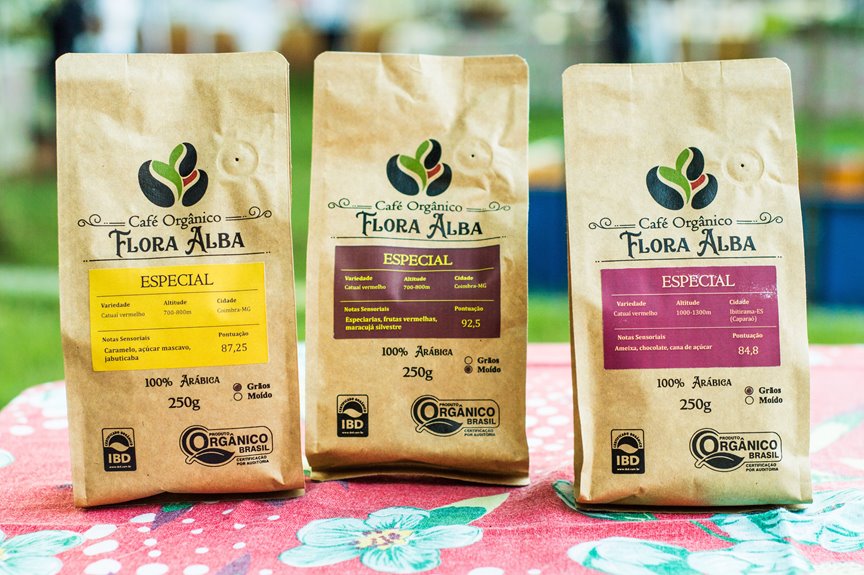
Spotting real fair trade coffee starts with the label, but you shouldn’t stop there. You want proof that the people behind your cup are treated fairly, too. Check for certified seals, then read the package with care.
- Look for clear certification names.
- Check for organic traceability, which shows where beans came from.
- See whether the brand shares direct partnerships with farms.
- Read how they explain wages, farming, and community support.
Next, trust brands that give specific facts, not vague promises. In case a company names farms, co-ops, or regions, that’s a good sign. Whenever details feel open and honest, you can feel like part of a coffee community that cares. That kind of choice helps you sip with confidence and a little more heart.
Frequently Asked Questions
What Organizations Certify Fair Trade Coffee?
You’ll see Fairtrade International, Fair Trade USA, and Fair for Life certify fair trade coffee; some roasters also pursue direct trade and climate resilience standards, helping you choose coffee that fits your values and community.
Does Fair Trade Coffee Guarantee Organic Farming?
No, it does not guarantee organic farming. Fair trade is a safety net for labor rights and price stability across the supply chain. You will need consumer awareness too, because organic certification is separate and not bundled.
Can Fair Trade Coffee Come From One Country?
Yes, you can find fair trade coffee from one country; that is often called single origin. You will still hear direct trade too. If you value shared standards and community, you are choosing coffee with purpose and connection.
How Often Are Fair Trade Standards Updated?
Fair trade standards are typically updated every few years. You will join a system that is reviewed regularly, with about 70% of changes driven by farmers’ needs, improving price transparency and market access for your community.
Is Fair Trade Coffee Available in Decaf Options?
Yes, you can find fair trade coffee in decaf options, and you will often see clear decaf labeling. You will still enjoy flavor retention, plus you are joining a community that values ethical choices and great taste.