
Raleigh has plenty of great coffee roasters in 2026, and the best ones bring fresh flavor, steady quality, and a style that fits your routine.
Some work well in small kitchens with less smoke, while others give you more control over each roast. Your best pick comes down to how hands-on you want to be.
The top choices stand out for taste, ease, and reliable results.
| Nuvo Eco Ceramic Handy Coffee Bean Roaster | 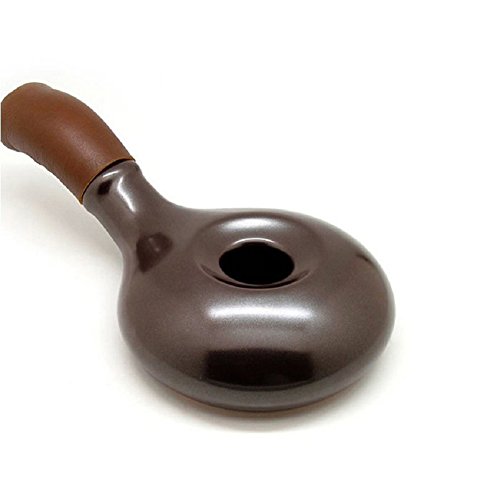 | Best Handheld Roaster | Roasting Type: Hand roaster | Capacity: 70 g | Power Source: Manual | VIEW LATEST PRICE | Read Our Analysis |
| Fresh Roast SR800 Home Coffee Roaster |  | Best Advanced Roaster | Roasting Type: Electric roaster | Capacity: 6–8 oz | Power Source: Electric | VIEW LATEST PRICE | Read Our Analysis |
| Charleston Coffee Roasters Organic Ground Coffee Medium Roast |  | Best Organic Blend | Roasting Type: Ground coffee | Capacity: 28 oz | Power Source: None | VIEW LATEST PRICE | Read Our Analysis |
| Coffee Bean Roaster Machine for Home Use | 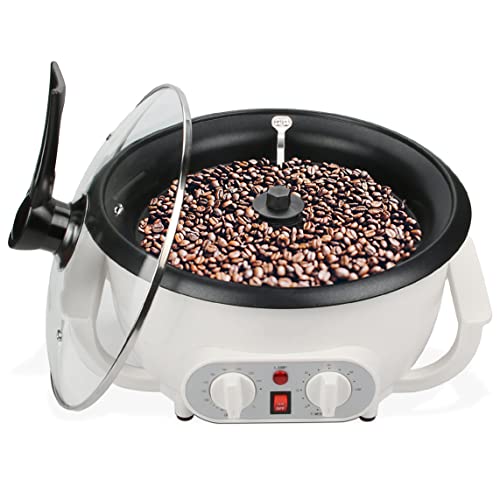 | Best High-Capacity | Roasting Type: Home roaster | Capacity: 750 g | Power Source: AC-powered | VIEW LATEST PRICE | Read Our Analysis |
| Home Coffee Bean Roaster Machine with Timer |  | Best For Home Use | Roasting Type: Home roaster | Capacity: 300–500 g | Power Source: Electric | VIEW LATEST PRICE | Read Our Analysis |
| LUEUR Electric Coffee Bean Roaster for Home Use | 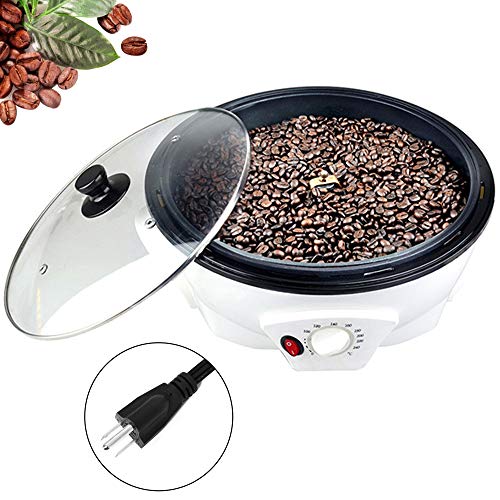 | Best Versatile Roaster | Roasting Type: Electric roaster | Capacity: 300–500 g | Power Source: Electric | VIEW LATEST PRICE | Read Our Analysis |
| CAFEMASY Portable Coffee Bean Roaster Tool with Thermometer |  | Best Portable Pick | Roasting Type: Portable roaster | Capacity: 120 g | Power Source: Flame/stove | VIEW LATEST PRICE | Read Our Analysis |
More Details on Our Top Picks
Nuvo Eco Ceramic Handy Coffee Bean Roaster
Provided you want to roast small batches at home with a simple, durable tool, the Nuvo Eco Ceramic Handy Coffee Bean Roaster is a strong pick. You get a 100% ceramic, heat-resistant glazed body with a genuine cowhide grip, so it feels sturdy in your hands. Its waffle-shaped interior helps you roast green beans evenly, and the rear hole can add the satisfying popping sound you’ll expect. Use 30 to 70 grams per batch, with 30 grams working best. It’s dishwasher safe, made in Korea, and fits neatly into your kitchen routine.
- Roasting Type:Hand roaster
- Capacity:70 g
- Power Source:Manual
- Temperature Control:None listed
- Material:Ceramic
- Use Setting:Home
- Additional Feature:Waffle-shaped interior
- Additional Feature:Genuine cowhide grip
- Additional Feature:Dishwasher safe
Fresh Roast SR800 Home Coffee Roaster
The Fresh Roast SR800 Home Coffee Roaster is a strong pick should you want café-quality freshness without leaving your kitchen. You can roast 6–8 oz per batch and get about 14–28 cups in under 10 minutes, thanks to its speed roast fluid motion system. The digital display, nine heat levels, adjustable fan, and push-and-turn knob let you fine-tune every roast. It works for beginners and seasoned roasters alike, and you can roast espresso, decaf, organic, fair trade, or exotic beans. You’ll also enjoy custom blends, all supported through a family-owned U.S. company.
- Roasting Type:Electric roaster
- Capacity:6–8 oz
- Power Source:Electric
- Temperature Control:Digital adjustable
- Material:Plastic/metal
- Use Setting:Home
- Additional Feature:Digital temperature display
- Additional Feature:Nine power levels
- Additional Feature:Adjustable fan control
Charleston Coffee Roasters Organic Ground Coffee Medium Roast
Charleston Coffee Roasters Organic Ground Coffee Medium Roast is a strong pick should you want a smooth, balanced cup without the bitter edge some medium roasts can leave behind. You’ll taste a bright, never-bitter blend of organic beans from North, Central, and South America. Charleston Coffee Roasters uses hand-picked coffee, artisanal roasting, and proprietary methods to bring out each bean’s natural flavor. You also get USDA organic sourcing, sustainable farming, and biodiversity support. At 28 oz, it gives you plenty of quality coffee while backing long-term partnerships with growing communities.
- Roasting Type:Ground coffee
- Capacity:28 oz
- Power Source:None
- Temperature Control:Medium roast
- Material:Organic coffee
- Use Setting:Daily brewing
- Additional Feature:USDA organic
- Additional Feature:Three-country blend
- Additional Feature:Sustainable farming practices
Coffee Bean Roaster Machine for Home Use
Should you want to roast fresh coffee at home without a steep learning curve, the ANGELLOONG Coffee Bean Roaster Machine is a strong pick for Raleigh coffee lovers. You get 110V, 1200W power, a 0.75-kilogram capacity, and adjustable heat from 100–240℃ for flexible roast control. Its automatic constant-temperature heating and powerful agitator help you roast evenly in about 25 minutes per batch. The transparent, heat-resistant cover lets you watch progress, while anti-scalding handles improve safety. You can also roast peanuts, chestnuts, barley, dried fruit, and popcorn with ease.
- Roasting Type:Home roaster
- Capacity:750 g
- Power Source:AC-powered
- Temperature Control:100–240℃
- Material:Metal/plastic
- Use Setting:Home/commercial
- Additional Feature:Transparent heat-resistant cover
- Additional Feature:Four-hole ventilation
- Additional Feature:Thickened anti-scalding handles
Home Coffee Bean Roaster Machine with Timer
Need a home roaster that lets you control each batch? This 110V, 1200W coffee roaster gives you a 0–60 minute timer and an adjustable 100–240°C range, so you can dial in your roast. You’ll watch beans through the transparent lid, then let the internal rods keep them moving for even heating. It handles 300–500 g best, and 750 g can roast in about 25 minutes. The non-stick base helps cleanup, while the heat-resistant build suits beginners. You can also roast rice, popcorn, peanuts, and other grains.
- Roasting Type:Home roaster
- Capacity:300–500 g
- Power Source:Electric
- Temperature Control:100–240℃
- Material:Thermostatic metal
- Use Setting:Home
- Additional Feature:Rotating stirring rods
- Additional Feature:Standable lid design
- Additional Feature:Non-stick base
LUEUR Electric Coffee Bean Roaster for Home Use
The LUEUR Electric Coffee Bean Roaster for Home Use is a smart pick should you want to roast bigger batches without losing consistency, thanks to its 800W motor, adjustable temperature control, and honeycomb chamber that spreads heat evenly. You can roast 300–500 g at a time in its 800 g tank, and the stirring rod keeps beans moving for uniform results. The thermostat holds steady heat, while the transparent, ventilated cover lets you watch progress safely. Its non-stick, Teflon-coated chamber cleans easily, and you can also roast peanuts, chestnuts, barley, dried fruit, or popcorn for extra versatility.
- Roasting Type:Electric roaster
- Capacity:300–500 g
- Power Source:Electric
- Temperature Control:Adjustable
- Material:Teflon-coated metal
- Use Setting:Home/commercial
- Additional Feature:800g tank capacity
- Additional Feature:Black Teflon coating
- Additional Feature:Honeycomb roasting chamber
CAFEMASY Portable Coffee Bean Roaster Tool with Thermometer
CAFEMASY’s Portable Coffee Bean Roaster Tool with Thermometer is a smart pick should you want small-batch roasting at home or on the go, since it handles about 120 g per batch and works on open flames and gas or electric ceramic stoves. You get a stainless steel mesh net, a wooden handle that helps insulate heat, and a buckle that keeps beans from escaping. The thermometer gives instant readings while the mesh lets you watch color changes. Use medium heat, clean it with warm soapy water, and air-dry it. It’s lightweight, so you can pack it for camping or travel.
- Roasting Type:Portable roaster
- Capacity:120 g
- Power Source:Flame/stove
- Temperature Control:Thermometer
- Material:Stainless steel
- Use Setting:Home/outdoor
- Additional Feature:Built-in thermometer
- Additional Feature:Wooden insulated handle
- Additional Feature:Bean-loss buckle
Factors to Consider When Choosing Coffee Roaster Raleigh Nc
When you’re choosing a coffee roaster in Raleigh, NC, consider how much coffee you want to roast at once and whether the machine matches your batch size needs. You’ll also want solid temperature control, a fast batch time, and durable materials that hold up well over time. Don’t forget ease of cleaning, since that can make your roasting routine much smoother.
Roast Capacity Needs
Dial in roast capacity to match how much coffee you actually plan to roast, because choosing the wrong size can slow you down or limit your results. Should you usually roast 30–300 grams at home, a small-batch machine fits you best. Were you moving toward 300–500 grams, step up to a medium model. For 600–800 gram batches, choose a larger roaster so you’re not cramming beans into a chamber that’s too small. Also consider throughput: were you to roast several times a day, bigger capacity or a faster cycle saves time. Don’t chase the maximum number alone; the best batch range matters more. Smaller units give you quicker, more agile control, while larger ones handle growth better and leave room for future scaling.
Temperature Control Range
Temperature control range shapes how much flexibility you’ll have in every roast, so look for a roaster that gives you both reach and precision. You’ll want a broad span, roughly 100–240°C, so you can move from light to dark profiles without forcing the machine outside its sweet spot. Fine, incremental heat control matters too, because it helps you manage Maillard and caramelization with confidence and avoid temperature spikes at initial and second crack. Choose a roaster with real-time bean or air temperature readouts so you can track turning points, RoR, and drop points accurately. Thermostatic or PID regulation also helps you hold steady set temperatures, cut overshoot, and repeat results.
Batch Time Speed
After temperature control, batch time speed is the next big factor because it directly affects how much coffee you can roast and what kind of flavor you’ll get. Small roasters handling 30–100 grams usually finish under 10 minutes, while 300–800+ gram machines often need 20–30 minutes per batch. Faster cycles push brighter, more acidic notes; slower ones give you deeper caramelization, more body, and sweetness. Don’t forget total time includes preheat, roasting, cooling, and pauses, so add 5–15 minutes to heat up and 5–10 minutes to cool. In case you need high output, calculate throughput from roast time plus cooling. Consistent cycle times also help you repeat results, so choose equipment that stays steady.
Material And Build
Once you’re comparing coffee roasters in Raleigh, NC, material and build should be high on your list because they affect durability, heat retention, and roast consistency. You’ll want durable, heat-resistant construction like ceramic, stainless steel, or coated metal, since these materials hold heat well and stand up to repeated use. Check the interior for textured, honeycomb, or waffle patterns that help beans move evenly and roast more uniformly. Choose models with transparent, heat-resistant covers or vents so you can monitor the roast while airflow stays steady and safe. Also make sure handles, lids, and grips use insulating materials such as wood, cowhide, or heat-resistant plastics, and that they attach securely. Solid build quality gives you better control and longer-lasting performance.
Ease Of Cleaning
Build quality matters, but cleanup can make or break your day-to-day experience with a coffee roaster in Raleigh, NC. You should look for removable, dishwasher-safe chambers, lids, and trays so you can cut down on scrubbing and finish faster. Smooth, non-stick, glazed, or Teflon-coated interiors help oils and chaff slide off instead of sticking, so wiping and rinsing stay simple. Check for accessible ventilation paths and detachable chaff collectors, since they’re easier to empty and help keep airflow clear. You’ll also want simple stirring or agitation parts that come apart cleanly, not welded assemblies that trap residue. Fewer crevices, seams, and tiny screws mean fewer concealed spots, quicker cleaning, and less long-term maintenance.
Roasting Method Options
Whenever you’re choosing a coffee roaster in Raleigh, NC, the roasting method shapes everything from flavor to batch size. Drum roasters use a rotating drum and conductive heat, so you get even roasting and strong control for medium-to-large batches. Air, or fluid-bed, roasters use hot convection currents to move beans quickly, which gives you brighter, cleaner cups and shorter roast cycles. Should you want a low-cost, hands-on option, manual pan or mesh roasting works, but you’ll need to keep beans moving and accept more smoke and variation. Home electric roasters give you repeatable profiles with timed, thermostatic controls. Hybrid and commercial-size models add airflow, agitation, and multiple heat levels for more uniform results at larger capacities.
Portability And Space
Provided you’re evaluating a coffee roaster in Raleigh, NC, begin with checking how easily it fits into your space and routine. Measure your countertop, storage, and clearance needs so the roaster won’t crowd ventilation or trap heat. In case you move it often, pick a lighter unit with comfortable, heat-resistant handles and a secure lid; should it’ll stay put, a heavier model can give you steadier operation. Also match the roaster to where you’ll use it. Indoor setups need low-smoke performance and good airflow, while outdoor or portable roasting can handle more smoke and weather exposure. In small kitchens or apartments, choose a compact roaster with a smart batch-size-to-footprint ratio, so you get useful capacity without excess bulk, heat, or odor.
Budget And Value
Before you shop for a coffee roaster in Raleigh, NC, set a clear budget—whether that’s under $50, $100–$300, or $300+—since price usually tracks with capacity, control features, and build quality. Then compare value, not just sticker price. Should you be sample roasting or learning, a small-batch manual roaster can save money and still perform well. Were you to want speed and repeatable results, a digital or batch machine might cost more but can save time. Match capacity to your weekly coffee use so you don’t overpay for extra size. Also factor in electricity, replacement parts, accessories, and wasted beans during practice. Within your range, choose adjustable temperature, fan, and timer controls for better flexibility and long-term value.
Frequently Asked Questions
Which Raleigh Roaster Offers Custom Roast Profiles?
You’ll want to ask Raleigh roasters directly, because custom roast profiles differ from shop to shop. Some roasters will tailor the roast to your beans, preferred flavor, and brew method so you can get the taste you want.
Do Local Roasters Ship Same-Day in Raleigh?
Yes, some local roasters in Raleigh offer same day shipping. Call ahead, place your order early, and check the cutoff time, since each shop handles shipping a little differently.
Can I Tour a Coffee Roasting Facility in Raleigh?
Yes, you can visit some Raleigh coffee roasting facilities, but you should check each location’s schedule first. Many offer public tastings, open houses, or private tours by appointment. Call ahead because access differs by roaster.
Are There Seasonal Single-Origin Beans Available Locally?
Yes. Seasonal single origin beans are often available at local specialty roasters and cafés. Ask which lots have just arrived, since they usually offer fresh harvests, tasting notes, and small batch releases that sell out quickly.
Which Roasters Offer Coffee Tasting Classes in Raleigh?
You can take tasting classes at Black & White, Bean Traders, and Counter Culture events in Raleigh, where you’ll learn about coffee origins, brewing methods, and flavor notes.