
A coffee roaster gives home brewers fresh, flavorful beans right at home. The best ones offer steady heat, easy control, and reliable results. They can range from simple manual tools to electric models with timers and cooling features. This guide covers six coffee roasters that home brewers love for great-tasting coffee.
| Nuvo Eco Ceramic Handy Coffee Bean Roaster | 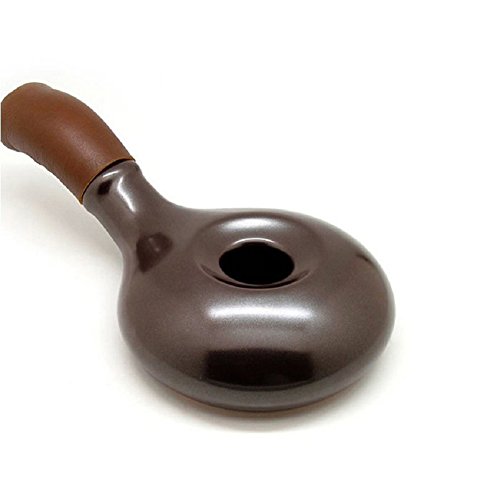 | Best Manual Option | Roasting Method: Manual ceramic roasting | Capacity: Bean-by-bean | Temperature Control: Heat-based | VIEW LATEST PRICE | Read Our Analysis |
| JIAWANSHUN Electric Coffee Bean Roaster for Home Use | 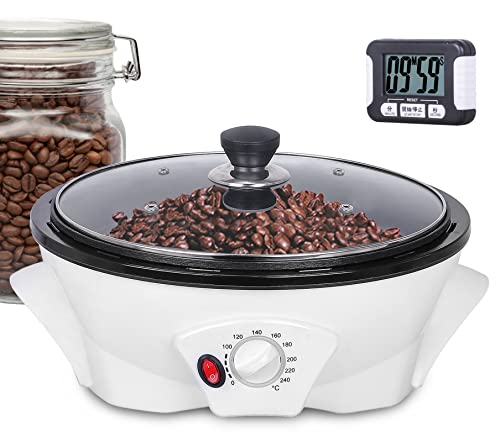 | Best for Beginners | Roasting Method: Electric drum roasting | Capacity: 800g | Temperature Control: 100–240℃ | VIEW LATEST PRICE | Read Our Analysis |
| Coffee Bean Roaster Machine for Home Use | 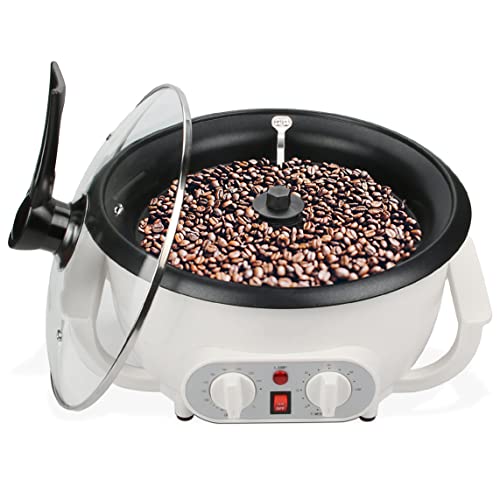 | High-Capacity Pick | Roasting Method: Electric drum roasting | Capacity: 750g | Temperature Control: 100–240℃ | VIEW LATEST PRICE | Read Our Analysis |
| DYVEE Coffee Bean Cooling Machine for Roasting |  | Best Cooler | Roasting Method: Cooling machine | Capacity: Batch cooling | Temperature Control: N/A | VIEW LATEST PRICE | Read Our Analysis |
| 500g Coffee Bean Roaster with Timer 110V |  | Best Mid-Size Roaster | Roasting Method: Electric drum roasting | Capacity: 500g | Temperature Control: 0–240℃ | VIEW LATEST PRICE | Read Our Analysis |
| MOKKOM Conical Burr Coffee Grinder with Detachable Scale |  | Best Grinder Companion | Roasting Method: Grinding only | Capacity: 150g | Temperature Control: 31 settings | VIEW LATEST PRICE | Read Our Analysis |
More Details on Our Top Picks
Nuvo Eco Ceramic Handy Coffee Bean Roaster
If you want a hands-on way to roast coffee beans at home, the Nuvo Eco Ceramic Handy Coffee Bean Roaster is a strong choice. You get a handmade roasting tool with a ceramic body and a genuine cowhide grip for secure handling. Its waffle-shaped interior helps you roast beans evenly, while the rear hole lets you hear the popping sounds that signal progress. Made in Korea, this eco ceramic roaster comes with one handy piece, so you can start roasting fresh coffee beans with simple, tactile control and enjoy better flavor at home.
- Roasting Method:Manual ceramic roasting
- Capacity:Bean-by-bean
- Temperature Control:Heat-based
- Timer:None
- Material:Ceramic, cowhide
- Visibility:Rear sound hole
- Additional Feature:Waffle-shaped interior
- Additional Feature:Genuine cowhide grip
- Additional Feature:Popping sound vent
JIAWANSHUN Electric Coffee Bean Roaster for Home Use
The JIAWANSHUN Electric Coffee Bean Roaster for Home Use is a solid pick for beginners and home coffee lovers who want easy, consistent roasting without a complicated setup. You get 1200W of power, adjustable heat from 100–240℃, and a timer, so you can dial in light, medium, or dark roasts. Its 800g chamber works best with 300–500g for even results, and the automatic stirrer helps beans roast uniformly. You can watch progress through the glass lid, clean the non-stick interior quickly, and even roast nuts, seeds, or popcorn.
- Roasting Method:Electric drum roasting
- Capacity:800g
- Temperature Control:100–240℃
- Timer:Included
- Material:Glass, plastic
- Visibility:Transparent lid
- Additional Feature:Automatic mixing stirrer
- Additional Feature:Honeycomb non-stick interior
- Additional Feature:Four ventilation holes
Coffee Bean Roaster Machine for Home Use
With its 110V, 1200W setup, 0–60 minute timer, and adjustable 100–240℃ control, this coffee bean roaster machine is a strong choice for home users who want easy, reliable roasting with room to grow. You can roast up to 0.75 kg, and 750 g of green beans finish in about 25 minutes. The powerful agitator and larger chamber handle bigger batches well. A transparent cover lets you watch progress, while the honeycomb chassis, heat-resistant materials, and anti-scalding handles help keep use safe. It also roasts peanuts, chestnuts, barley, dried fruit, and popcorn.
- Roasting Method:Electric drum roasting
- Capacity:750g
- Temperature Control:100–240℃
- Timer:0–60 min
- Material:Metal, plastic, Teflon
- Visibility:Transparent cover
- Additional Feature:Powerful agitator
- Additional Feature:Anti-scalding widened handles
- Additional Feature:Top four-hole ventilation
DYVEE Coffee Bean Cooling Machine for Roasting
DYVEE’s Coffee Bean Cooling Machine is a smart choice for home and cafe coffee roasters who want to cool beans fast and protect flavor right after roasting. You’ll use its powerful fan to cool batches in about 2 minutes, which helps stop over-roasting and lock in taste. The double filter design lets the upper layer cool beans while it removes chaffs, and the lower layer catches silver skins. It runs on a safer 12V 3A adapter with a US plug. You get the cooler and adapter, so you can cool fresh roasts with confidence.
- Roasting Method:Cooling machine
- Capacity:Batch cooling
- Temperature Control:N/A
- Timer:None
- Material:Plastic, metal
- Visibility:Open cooling chamber
- Additional Feature:Two-minute cooling
- Additional Feature:Double filter design
- Additional Feature:12V 3A adapter
500g Coffee Bean Roaster with Timer 110V
GIVEROO’s 500g Coffee Bean Roaster is a strong pick should you want a versatile, commercial-grade machine for home use or a small cafe setup. You can roast 500g batches, or about 1.7 pounds, with 800 watts of electric power and a 0–240℃ range. The built-in timer helps you control each roast, while the non-stick glass surface makes cleanup easier. Its 12.6 x 12.6 x 4.72-inch size fits most counters, and the transparent white design lets you watch progress. You also get warranty support, plus feedback from 236 customers.
- Roasting Method:Electric drum roasting
- Capacity:500g
- Temperature Control:0–240℃
- Timer:Included
- Material:Glass
- Visibility:Transparent body
- Additional Feature:Commercial-grade versatility
- Additional Feature:Glass construction
- Additional Feature:Warranty support available
MOKKOM Conical Burr Coffee Grinder with Detachable Scale
Should you want a grinder that gives you precise control from espresso to French press, the MOKKOM CG020 stands out as a strong choice. You get 31 grind settings, a stainless steel conical burr, and steady particle size for espresso, pour over, drip, cold brew, and French press. Its detachable rechargeable scale tracks weight in real time, so you can target a 1:18 brew ratio with confidence. Use 5-in-1 programmable modes, a 0.1-second timer, and direct portafilter grinding for cleaner, faster dosing. Anti-static design, low noise, and removable parts make cleanup easy.
- Roasting Method:Grinding only
- Capacity:150g
- Temperature Control:31 settings
- Timer:Electronic timer
- Material:Stainless steel
- Visibility:LED/display controls
- Additional Feature:Detachable coffee scale
- Additional Feature:Anti-static technology
- Additional Feature:Portafilter cradles
Factors to Consider When Choosing a Coffee Roaster
When you choose a coffee roaster, start with matching roast capacity to how much coffee you make. You’ll also want solid heat control, a roasting speed that fits your style, and durable build materials that can handle regular use. Visibility features, like a clear window or display, help you monitor each roast and make better adjustments.
Roast Capacity Needs
Roast capacity should match how much coffee you actually use, because a small home batch may be only a few hundred grams, while larger roasters can handle around 750–800 g per roast. When you roast for one or two people, a smaller machine is often easier to manage and plenty for a few days’ supply. For more even results, don’t pack it full; stay near the recommended working range, often 300–500 g, so beans can move and airflow can do its job. Whenever you roast often or want several cups ready at once, a bigger capacity helps, but it can take longer. Also, check green bean weight, not just finished volume, since beans expand as they roast.
Heat Control Range
After you’ve matched roast capacity to how much coffee you use, the next thing to check is heat control range. You want a roaster that lets you move from gentle warming to stronger heat, because a wider range gives you more room to roast different beans and hit light, medium, or dark profiles. Many home models offer about 100–240°C, or roughly 212–464°F, so you can set the temperature to match your roast goals. Look for stable control, too, since uneven heat can throw off flavor development and create inconsistent results. When the roaster uses constant-temperature or thermostatic heating, you’ll usually get tighter batch-to-batch consistency because it keeps the heat closer to your target.
Roasting Speed
Roasting speed depends on how quickly your machine can heat up, manage the roast, and cool the beans at the end. You’ll usually get faster preheating from a higher-wattage roaster, and units around 1200W often reach roasting temperatures sooner than lower-power models. Adjustable heat settings, like 100–240℃, let you raise or lower temperature fast, so you can move beans from light to dark roast without delay. Timer controls also matter, since roasting a larger batch can take about 25 minutes, while smaller or denser beans might need a different cycle. Keep batch size in mind: 300–500g usually roasts faster and more evenly than pushing 750g or 800g. A quick cooling phase, ideally about 2 minutes, helps lock in flavor.
Build Materials
When you’re choosing a coffee roaster, the build materials matter as much as the heating system because they affect durability, safety, and cleanup. You should look for heat-resistant ceramic, glass, metal, or food-grade coated surfaces, since they handle repeated high temperatures better. Ceramic bodies offer sturdy, heat-stable construction, while cowhide grips or heat-resistant handles help you move the roaster safely. Metal parts and insulated adapters usually add strength and improve long-term reliability. If you want easier cleanup, choose non-stick interiors with honeycomb or Teflon-style coatings, which help reduce residue buildup after each batch. Keep plastic components limited to heat-resistant support areas, because they shouldn’t take direct heat. Strong materials give you a roaster that lasts longer and performs more safely.
Visibility Features
Visibility matters because it lets you watch the beans change color, expand, and develop without opening the roaster. You’ll want clear lids or transparent covers so that you can track roast progress at a glance. That visibility helps you judge as soon as the beans reach light, medium, or dark levels, and it keeps you from guessing. Ventilation holes can release aroma and smoke while still giving you a good view of the roast. Provided that you roast small batches at home, a design that shows the beans fully from above gives you better control. These features work even better with a timer or temperature control, since you can match what you see with the settings and stop the roast at the right moment.
Ease Of Cleaning
After you can clearly watch the roast develop, the next thing to think about is how easily you can clean up afterward. You’ll want a roaster with non-stick or easy-wipe interior surfaces, because you can usually clear away residue with a damp cloth instead of scrubbing hard. A transparent lid also helps you track chaff buildup, so you don’t keep opening the unit. Look for built-in ventilation holes or chaff separation features, since they limit debris collecting in the chamber. Removable parts, like stirring components, hoppers, burrs, or collection trays, make washing simpler than fixed pieces. Choose heat-resistant materials and a design that comes apart easily, then wait until the roaster has fully cooled before you clean it. That keeps maintenance safer and quicker every time.
Noise And Ventilation
Good ventilation matters because it lets smoke and aroma escape while helping heat circulate more evenly through the roast. You should look for vent holes or airflow channels that keep hot air moving and help prevent chaff buildup and scorching. Better airflow also supports more consistent results, especially upon you’re roasting batch after batch at home. Noise matters too, since motors, fans, and agitators can become noticeable during 25-minute or longer roasting cycles. Should you want a quieter setup, choose a roaster that uses less aggressive stirring or smaller fans. Transparent lids or clear covers can help you watch the beans without opening the chamber, so you don’t disrupt airflow or heat.
Safety Features
While you’re choosing a coffee roaster, safety features can make a big difference in everyday use. You should look for heat-resistant materials, insulated handles, or a protective exterior so you can handle the machine without worrying about burns. Automatic shutoff, timer controls, and constant-temperature regulation help prevent overheating and keep the roaster from running too long unattended. A transparent, heat-resistant cover lets you watch the beans closely without opening the unit and losing heat. Ventilation holes or a controlled exhaust design can move smoke and hot air away more safely. Should you be buying an electric model, choose one with lower-voltage accessories or a well-protected power system. These details give you safer roasting and more confidence every time.
Frequently Asked Questions
What Roast Level Best Suits Espresso at Home?
For home espresso, medium dark roast is often a strong choice because it delivers fuller body, gentler acidity, and more forgiving extraction. If you enjoy a livelier cup with fruitier notes, a medium roast can also work well.
How Much Space Does a Home Roaster Need?
You will usually need a small counter area, about 1 to 2 square feet, along with space for airflow and cooling. If you use a larger drum roaster, set aside a sturdy table and enough clear space around it for safety.
Can I Roast Flavored Coffee Beans Safely?
Yes, you can roast flavored coffee beans safely, but you need to be careful. Added oils can smoke, burn, and leave residue in your roaster, so roast only small batches and clean the machine right after.
What Smoke Control Options Work Indoors?
You can reduce indoor smoke by using a strong range hood, opening windows, placing a box fan to exhaust air outside, and using a sealed roaster with built in chaff collection. A HEPA air purifier placed nearby can also help.
How Long Should Freshly Roasted Beans Rest?
Let freshly roasted beans sit for 24 to 72 hours before brewing. Darker roasts often are ready sooner, while lighter roasts may need a bit longer. Keep them in an airtight container, then taste them each day to find their best flavor.