
Choosing a bean-to-cup coffee machine for commercial use comes down to speed, durability, milk handling, and daily output. The best options in 2026 include compact Philips Baristina models, the fully automatic Philips 4400, and brew-first picks like BUNN, SYBO, and Fellow Aiden. Each one suits a different type of business, from small cafes to busy offices. The right machine depends on your space, staff, and rush-hour demand.
| BUNN VP17-1SS Pourover Coffee Brewer with Warmer |  | Commercial Classic | Brew Type: Pourover drip | Coffee Input: Ground coffee | Operation: Manual | VIEW LATEST PRICE | Read Our Analysis |
| Fellow Aiden Precision Coffee Maker (10-Cup Thermal Carafe) |  | Best Smart Pick | Brew Type: Drip coffee | Coffee Input: Ground coffee | Operation: Fully automatic | VIEW LATEST PRICE | Read Our Analysis |
| SYBO 12-Cup Commercial Drip Coffee Maker (SF-CB-2GA) | 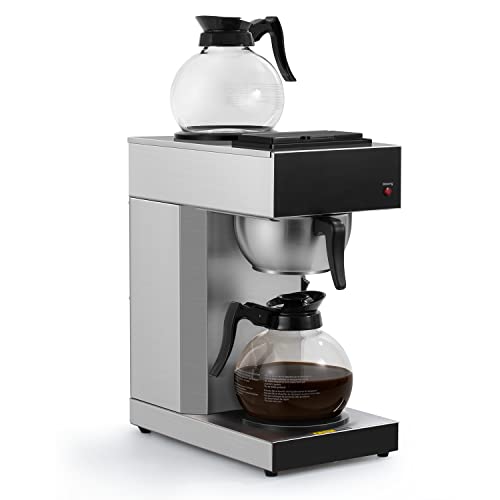 | High-Volume Workhorse | Brew Type: Pour-over drip | Coffee Input: Ground coffee | Operation: Fully automatic | VIEW LATEST PRICE | Read Our Analysis |
| Philips 4400 Series Automatic Espresso Machine (EP4444/90) | 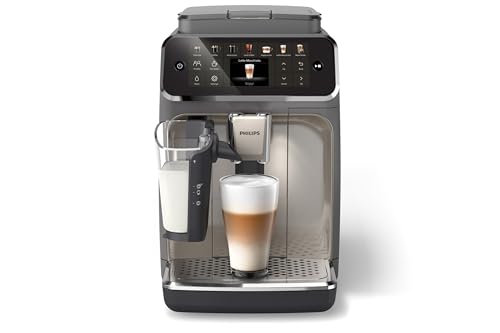 | Premium Automatic | Brew Type: Super-automatic espresso | Coffee Input: Whole beans | Operation: Fully automatic | VIEW LATEST PRICE | Read Our Analysis |
| Philips Baristina Espresso Machine (BAR300/60) | Compact Bean-to-Cup | Brew Type: Espresso | Coffee Input: Whole beans | Operation: Fully automatic | VIEW LATEST PRICE | Read Our Analysis | |
| Philips Baristina Espresso Machine (BAR300/00) |  | Compact Bean-to-Cup | Brew Type: Espresso | Coffee Input: Whole beans | Operation: Fully automatic | VIEW LATEST PRICE | Read Our Analysis |
| Philips Baristina Espresso Machine (BAR302/20) | Stylish Compact Pick | Brew Type: Espresso | Coffee Input: Whole beans | Operation: Fully automatic | VIEW LATEST PRICE | Read Our Analysis |
More Details on Our Top Picks
BUNN VP17-1SS Pourover Coffee Brewer with Warmer
The BUNN VP17-1SS Pourover Coffee Brewer with 1-warmer is a smart pick should you need fast, reliable coffee without a built-in water line. You can place it in offices, cafeterias, or event spaces and start brewing with ground coffee and a #4 paper filter. Its manual pour-over design gives you control, while 1600 watts helps it produce up to 3.8 gallons per hour. The stainless steel body looks clean and sturdy, and the 1-warmer keeps coffee ready. It weighs 24 pounds, uses 120V power, and includes a 2-year warranty for added peace of mind.
- Brew Type:Pourover drip
- Coffee Input:Ground coffee
- Operation:Manual
- Capacity:3.8 gallons/hour
- Voltage:120 V
- Wattage:1600 W
- Additional Feature:3.8 gallons per hour
- Additional Feature:Paper #4 filters
- Additional Feature:One-warmer design
Fellow Aiden Precision Coffee Maker (10-Cup Thermal Carafe)
Built for busy offices, boutique cafes, and hospitality teams that want better drip coffee without extra fuss, the Fellow Aiden Precision Coffee Maker makes a strong case for itself with one big advantage: it can brew from a single cup up to 10 cups with steady, reliable control. You get programmable drip brewing, a bloom cycle, and adjustable strength, so each pot feels tuned, not rushed. The dual shower head helps water spread evenly, while the thermal carafe keeps coffee warm for hours. With one-button brewing, a removable tank, drip-stop basket, and auto shut-off, it stays simple, tidy, and ready.
- Brew Type:Drip coffee
- Coffee Input:Ground coffee
- Operation:Fully automatic
- Capacity:10 cups
- Voltage:120 V
- Wattage:1700 W
- Additional Feature:Built-in bloom cycle
- Additional Feature:Interchangeable brew baskets
- Additional Feature:Programmable timer
SYBO 12-Cup Commercial Drip Coffee Maker (SF-CB-2GA)
Should you need a workhorse that keeps coffee moving all morning, the SYBO 12-Cup Commercial Drip Coffee Maker can make your day much easier. You get fast, pour-over brewing that fills two glass carafes in under 10 minutes, so your team won’t stand around waiting. The dual warmers help you serve one pot while the other stays hot. Also, the multi-stream shower head and flat-bottom basket help you pull a balanced, steady brew. With simple buttons, stainless steel build, and drip-free pouring, it fits busy offices, hotels, and kitchens without fuss.
- Brew Type:Pour-over drip
- Coffee Input:Ground coffee
- Operation:Fully automatic
- Capacity:12 cups
- Voltage:120 V
- Wattage:2500 W
- Additional Feature:Two warming plates
- Additional Feature:Multi-stream shower head
- Additional Feature:ETL, CE certified
Philips 4400 Series Automatic Espresso Machine (EP4444/90)
Philips’ 4400 Series Fully Automatic Espresso Machine brings a smart mix of speed, ease, and consistency that can make it a strong fit for busy commercial spaces where staff and guests want good coffee without a fuss. You get 12 hot and iced presets, so you can serve espresso, latte, cappuccino, or iced coffee fast. The LatteGo system steams milk neatly and cleans in seconds. Because it grinds, tamps, and brews on its own, you save time. QuietBrew helps keep noise low, and AquaClean cuts descaling to a minimum.
- Brew Type:Super-automatic espresso
- Coffee Input:Whole beans
- Operation:Fully automatic
- Capacity:1.8 liters
- Voltage:120 V
- Wattage:1500 W
- Additional Feature:LatteGo milk system
- Additional Feature:12 coffee presets
- Additional Feature:SilentBrew technology
Philips Baristina Espresso Machine (BAR300/60)
The Philips Baristina Espresso Machine (BAR300/60) is a smart fit for busy spaces that want real espresso speed without a big learning curve, because it grinds, tamps, and brews in one swipe. You get a fully automatic setup with an integrated grinder, 16-bar pressure, and espresso, lungo, or extra intense shots in under 60 seconds. Its compact black body saves counter space, while the 1.2 L tank and button controls keep service simple. Plus, over 50% recycled plastics and A+ energy labeling help you work cleaner with less waste.
- Brew Type:Espresso
- Coffee Input:Whole beans
- Operation:Fully automatic
- Capacity:1.2 liters
- Voltage:120 V
- Wattage:1550 W
- Additional Feature:16-bar pump pressure
- Additional Feature:Under 60 seconds
- Additional Feature:Recycled plastics design
Philips Baristina Espresso Machine (BAR300/00)
Compact, fast, and built for real espresso lovers, the Philips Baristina Espresso Machine (BAR300/00) is a smart fit for small commercial spaces that need fresh coffee without a lot of fuss. You get bean-to-cup espresso in under 60 seconds, and the swipe handle starts grinding, tamping, and brewing in one smooth move. Because it uses a 16-bar pump, your drinks taste rich and balanced. Its compact white body saves counter space, while the 1.2-liter tank suits steady service. You can brew espresso, lungo, or extra intense shots with ease.
- Brew Type:Espresso
- Coffee Input:Whole beans
- Operation:Fully automatic
- Capacity:1.2 liters
- Voltage:120 V
- Wattage:1550 W
- Additional Feature:16-bar pump pressure
- Additional Feature:Under 60 seconds
- Additional Feature:A+ energy label
Philips Baristina Espresso Machine (BAR302/20)
Designed for busy coffee service where speed and consistency matter, the Philips Baristina Espresso Machine (BAR302/20) gives you a fast bean-to-cup workflow that can grind, tamp, and brew in under 60 seconds. You get a compact fully automatic unit with a 16 bar pump, simple buttons, and swipe handle control. Choose espresso, lungo, or extra intense, then build lattes, cappuccinos, or americanos with ease. Its 1.2 liter tank, 1550 watt power, and recycled plastic body help you keep service smooth. The ash wood handle adds a warm touch, while the dishwasher-safe claim doesn’t apply here.
- Brew Type:Espresso
- Coffee Input:Whole beans
- Operation:Fully automatic
- Capacity:1.2 liters
- Voltage:120 V
- Wattage:1550 W
- Additional Feature:16-bar pump pressure
- Additional Feature:Under 60 seconds
- Additional Feature:Ash wood handle
Factors to Consider When Choosing a Bean to Cup Coffee Machine Commercial
As you choose a bean to cup coffee machine for commercial use, start with brewing capacity and grinder quality because they shape how well the machine handles busy service. You’ll also want a strong milk system and easy cleaning, since both affect drink quality and daily workflow. Speed and throughput matter too, since a fast machine helps you serve more customers without slowing the line.
Brewing Capacity
A busy coffee rush can expose a weak machine fast, so you need to look beyond the sales sheet and judge real brewing capacity. Match the machine to your busiest hour, not your quietest one, so you don’t create lines and lose sales. Look at cups per hour and cups per minute, because tank size alone can fool you. Should you serve nonstop, choose bigger bean hoppers and water reservoirs, or connect to mains water, so refills don’t break the flow. In busy cafés with lattes and cappuccinos, check whether the machine can grind and brew while it steams milk. Also, plan for cleaning, descaling, and hopper refills, since downtime cuts output. A little extra capacity now saves stress later.
Grinder Quality
Grinder quality can make or break the whole drink, so you want to look at more than just the machine’s shiny front panel. Focus on burrs initially. Flat steel burrs usually give you a more even espresso grind, while ceramic burrs fight wear and heat better. Next, check speed. A low-RPM motor keeps beans cooler, so the flavor stays bright and true. Then look at control. Fine grind adjustments help you move from espresso to lungo without guesswork, which saves you from sad, sour shots. You should also watch hopper design. A sealed, anti-static hopper cuts clumps and waste. Finally, pick a machine with low retention and weight-based dosing, because repeatable doses keep your drinks steady whenever the line gets busy.
Milk System
Milk system choice can quietly shape the whole customer experience, so it’s worth looking past the menu screen and into how the machine handles milk every day. You should initially match the system to your service style. Steam wands give you hands-on control, while closed automatic systems usually deliver steadier foam and better hygiene. Next, check capacity. An internal reservoir might suit lighter use, but an external milk jug or larger container helps you serve more drinks before refilling. Then, look for adjustable temperature and microfoam settings, since you could need silky flat whites one minute and thick cappuccinos the next. Finally, compare cycle time and drink output, because your milk system must keep pace whenever the line gets busy without losing texture.
Ease Of Cleaning
Cleaning matters more than many buyers expect, because it can shape your daily workflow just as much as drink quality. You’ll want a machine with removable brew groups and milk parts, so you can rinse them fully without a long breakdown. In the event the trays, tanks, and containers are dishwasher-safe, cleanup gets easier, but always check the maker’s instructions to start. Automated cleaning cycles and descaling alerts help you stay ahead of grime and limescale, so the machine keeps working as it should. Also, look for tool-free panels and clear labels, since they make backflushing, filter changes, and residue removal much less of a chore. Finally, visible fill alerts for the drip tray and waste bean bin help you avoid mess, odors, and extra checks.
Speed And Throughput
Once your café gets busy, speed isn’t just a nice extra, because it decides whether the line moves or stalls. You should check cups per hour under nonstop use, not just the showroom promise. A machine that handles 50 to 200 plus cups an hour can keep up with real peak demand. Then look at brew time and grinder speed, since each second you save cuts wait time. Also, choose a hopper and bean feed that can stay loaded longer, so you’re not stopping service for refills. Fast hot-water recovery and solid heating power help the next shot taste right. Should you serve milk drinks too, pick a unit that can brew and steam at once, because that lifts your real service speed.
Size And Footprint
Before you buy a bean-to-cup coffee machine for commercial use, you need to make sure it actually fits where you plan to use it, because a machine that looks perfect on paper can become a daily headache provided it crowds your counter or blocks your team. Measure the full space in inches, including depth, width, and height, then leave 4 to 6 inches behind and above it for airflow and hookups. In case you serve more drinks, expect a wider unit, often 14 to 18 inches or more. For smaller spaces, a compact model under 10 inches wide can work well. Also, keep 6 to 12 inches open for cleaning access to the brew group, grinder, and tank. Finally, check the loaded weight and make sure your counter, cart, and traffic flow can handle it.
Warranty Coverage
Warranty coverage can save you a lot of stress should a commercial bean-to-cup machine starts acting up, so it’s worth reading the fine print with a clear head. Initially, check how long coverage lasts, since many plans run 1 to 3 years, and see whether the grinder, brew group, and boiler each follow different rules. Then confirm what’s covered, like parts, labor, or onsite service, and what’s not, such as seals, filters, and other wear items. Next, ask what you must do to keep it valid. You might need routine service, software updates, and saved receipts. Also, find out whether support comes onsite or through shipping, how fast claims move, and whether fees apply. Finally, review transfer options, extensions, and any misuse limits.
Frequently Asked Questions
How Often Should Commercial Bean to Cup Machines Be Serviced?
Most commercial bean to cup machines need servicing every 6 months, with daily cleaning to keep them in good working order. If the machine is used heavily, arrange checks every 3 months to catch wear early and reduce the risk of expensive faults.
Can These Machines Connect to a Water Line?
Yes, many of these machines can be hooked up to a water line, which reduces refill work. You will need a model designed for that setup, the right plumbing connection, and a suitable filter, so review the product specifications before purchasing.
What Beans Work Best for High-Volume Office Use?
Choose medium roast, low oil beans to keep machines cleaner and maintain a reliable brew profile. Consistent blends with chocolatey notes are ideal for delivering steady, crowd pleasing cups throughout the workday.
How Long Do Commercial Bean to Cup Machines Typically Last?
Commercial bean to cup machines usually last 5 to 10 years. Consistent cleaning, descaling, and scheduled servicing can help them last longer, particularly if you invest in a durable, high quality model.
Are These Machines Easy to Clean Daily?
Yes, they are typically quick to clean each day, making upkeep straightforward. You can wipe the surfaces, empty the trays, and run rinse cycles in just a few steps. If you keep to a steady cleaning routine, you will stop residue from building up and help every drink taste fresh.