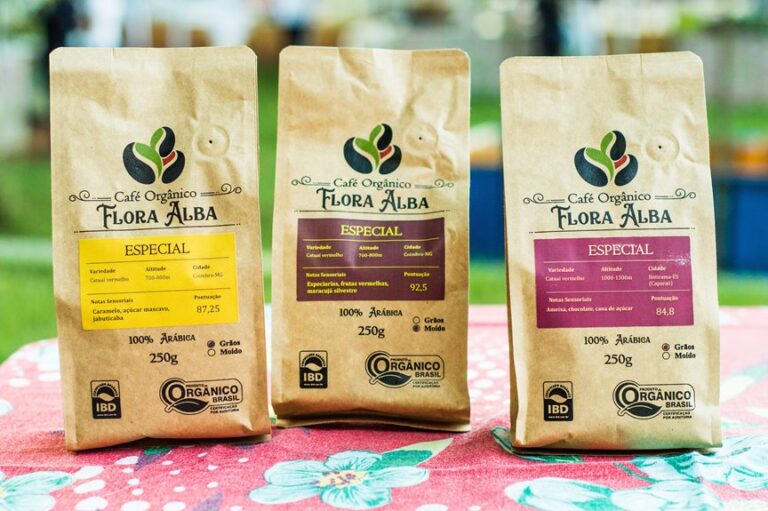


Coffee prices fluctuate due to various factors like harvest yields, shipping conditions, and global trade dynamics. A bag of coffee can cost more one month and less the next, influenced by weather patterns, labor availability, transport issues, and market trends. These elements all play a role in the ever-changing price of that beloved cup. Understanding this interplay helps explain why coffee can seem so unpredictable. Let’s dive into the reasons behind these price shifts.
How Coffee Prices Are Set
Upon purchasing a cup of coffee, you’re seeing the end result of a long price chain that starts far from the café. You and other buyers help shape coffee pricing models, which weigh crop quality, processing costs, shipping, and trader demand.
Farmers, exporters, roasters, and retailers each add value, so the price grows step by step. Whenever markets expect stronger demand, market speculation can push futures prices higher, and those changes often reach your cup later.
You might feel distant from these shifts, yet you’re part of the same system every time you order. Small changes in supply or buyer confidence can move prices quickly, and that’s why coffee costs don’t stay still.
Why Weather Shocks Raise Coffee Prices
When frost hits coffee farms, you can lose flowers and cherries fast, and that means less coffee reaches the market.
Drought can cut bean supply for months, while storms can delay picking and damage the timing growers need to bring in a good crop.
As these weather shocks stack up, you often see coffee prices rise because buyers have less coffee to compete for.
Crop Damage From Frost
Because coffee plants are very sensitive to sudden cold, a hard frost can damage leaves, flowers, and even the cherries that growers depend on.
You can see the frost impact fast as blackened tissue appears and new growth stops. That loss weakens crop resilience, so each plant makes fewer healthy beans for the season.
Once enough farms face the same chill, supply tightens, and buyers bid up prices to compete for what’s left.
You could also notice that growers need time to prune, nurse, and wait for recovery, which keeps output low for months.
Drought Cuts Bean Supply
Dry spells can squeeze coffee farms hard, and that pressure shows up in your cup sooner than you might realize. As rain stays away, plants make fewer cherries, and bean quality can drop. You feel it through the supply chain because every sack becomes harder to find.
| Factor | Price effect |
|---|---|
| Lower yields | Higher costs |
| Weak bean quality | Less buyer trust |
| Tight supply chain | Faster price jumps |
Farmers who build drought resilience with shade trees, drip lines, and agricultural technology can protect more harvests. That kind of climate adaptation helps neighbors, too, because steady crops support local jobs and calmer markets. Still, market speculation often reacts quickly as weather news looks grim, and prices can rise before the next crop even arrives.
Storms Disrupt Harvest Timing
Storms can upset coffee harvests just as fast as a drought can, and that chaos often hits the market before bags even leave the farm.
As heavy rain or wind arrives, you feel the storm impact in the field initially. It can delay picking, bruise cherries, and block roads that move beans to buyers.
That shift in harvest timing makes supply uneven, so prices often jump.
- Pickers might stop work as fields turn muddy.
- Wet beans can lose quality and earn less money.
- Traders might expect fewer shipments and raise bids.
How Supply Chain Delays Raise Coffee Prices
Should a coffee shipment get held up, the price can climb faster than you could anticipate.
Whenever supply chain bottlenecks hit, you feel it at the register because roasters and shops can’t restock on time. Logistics challenges, shipping delays, and inventory shortages squeeze the flow of beans, so sellers pay more to secure what’s left.
Then production interruptions can make the gap worse, particularly as one missed load throws off the next round of orders. As demand fluctuations keep customers coming back, buyers often compete for fewer bags, and that pushes prices higher.
You’re not alone in noticing the change. These delays ripple through the whole coffee community, turning a small snag into a bigger cost for everyone who loves a steady cup.
Why Labor Costs Raise Coffee Prices
Labor doesn’t just keep coffee farms running; it shapes the price you pay every day. Whenever farms offer sustainable wages, you help support worker rights and a steadier team. That matters because labor shortages push salary inflation higher, and farms pass those costs into your cup.
Ethical sourcing also asks growers to invest in training programs, so workers learn safer, faster methods.
- Fair trade pays more for honest work.
- Union negotiations can lift pay and benefits.
- Better staffing reduces rushed, costly mistakes.
You’re part of this chain, and your choices can reward the people who pick, sort, and process your coffee. Whenever you choose brands that value fair trade, you help build a community where workers feel respected, and prices reflect real human effort.
Why Transportation Costs Raise Coffee Prices
Once coffee leaves the farm, every mile can add a little more to the price you pay. You feel that rise as transportation routes run long, rough, or crowded, because trucks, ships, and warehouses all charge for the trip.
Freight costs climb with fuel prices, and shipping delays can leave beans sitting longer than planned. Then logistics challenges stack up, especially as roads, ports, or borders slow the supply chain.
Trade agreements can ease some steps, but they can also add fees or rules that make moving coffee harder. That’s why infrastructure investments matter so much.
Better roads, ports, and rail lines help your coffee move faster and cheaper, so the cup in your hand stays within reach.
How Global Demand Changes Coffee Prices
As global coffee demand increases, you often see prices climb too, because more buyers compete for the same beans.
Your daily cup can feel the effect as consumer trends shift toward specialty drinks, larger chains, or new coffee-loving markets.
That pressure can move prices even before the harvest changes, so the market might react faster than you expect.
Rising Global Coffee Demand
As global coffee demand rises, coffee prices often climb too, and that can feel frustrating as you’re just trying to buy your usual cup without paying more. You’re not alone in that squeeze. As more people want coffee, buyers compete harder for beans, and farms can’t always keep up.
- In emerging markets, new drinkers add steady pressure.
- Specialty coffee and consumer preferences push roasters toward limited lots.
- Sustainable sourcing and ethical consumption can raise costs, especially with global competition and market speculation.
Then, brewing trends shift what people ask for, while price sensitivity makes some shoppers switch to coffee substitutes.
Because of that, your favorite blend can cost more even though the cup stays the same.
Consumer Trends And Prices
Global coffee demand doesn’t just change how much people drink. It shapes what you pay, too, because your choices send signals through market fluctuations. As more people want espresso blends, organic beans, or ready to drink cans, roasters chase those consumer preferences fast.
| Trend | Price Effect | Why It Happens |
|---|---|---|
| Premium drinks | Prices rise | Buyers accept higher costs |
| Fast convenience | Prices shift | More processing adds expense |
| Budget basics | Prices steady | Demand stays broad |
How Currency Changes Affect Coffee Prices
Even small changes in currency values can make your coffee cost more or less, and that shift often happens before you notice it.
As currency fluctuations move the price of the money coffee sellers use, your cup can change in cost even though the beans stay the same. You don’t need to track every tick, but it helps to know why prices move.
- Importers pay more whenever exchange rates weaken.
- Roasters might pass those costs to you.
- Stronger exchange rates can ease pressure on prices.
How Political Events Affect Coffee Prices
Political events can shake coffee prices in ways you may not expect, especially as trade policies and tariffs change the cost of moving beans across borders.
Should a country face unrest or unstable leadership, you can also see supply risks rise fast, and that often pushes prices higher.
Because of that, you’ll want to watch politics as closely as weather while you track coffee costs.
Trade Policies And Tariffs
As governments alter trade rules, coffee prices can shift faster than you might expect. You feel that change as tariff impacts raise costs, because import duties add extra money before beans even reach you.
Trade agreements can ease those pressures, and they often open better market access for roasters and buyers who want steady supply.
- Higher tariffs make each shipment cost more.
- New trade agreements can lower fees and help your favorite coffee stay affordable.
- Sudden rule changes can nudge prices up or down at the store.
Political Instability Risks
When unrest shakes a coffee-growing country, prices can jump before most shoppers notice.
Should you follow coffee, you’ll see political unrest can disrupt farms, roads, and ports fast. Then government regulations could tighten, and export restrictions can slow shipments just as buyers need beans.
In commodity trading, that delay can spark market speculation, so prices climb even though harvests look fine. You might also feel the impact through international relations, because diplomatic strain can trigger economic sanctions or new fees.
Geopolitical tensions add more fear, and traders often react before facts settle. So as one region stumbles, you’re not alone in feeling the shift.
These shocks can ripple through supply chains, making your morning cup cost more while producers face extra stress.
What Higher Coffee Prices Mean for Farmers
Higher coffee prices can bring real hope to farmers, because better market rates can finally cover the rising cost of growing, picking, and processing beans. Whenever you belong to a fair trade network, market fluctuations feel a little less harsh, and your income stability can improve. That matters because price volatility can shake your plans fast.
- You can invest in sustainable practices that protect soil and water.
- You can work with farmer cooperatives to share tools, knowledge, and support.
- You can handle export challenges with more confidence whenever your farm earns enough to breathe.
The economic impact reaches your home, your workers, and your next harvest.
Still, higher prices don’t solve everything, but they can give you room to stay strong and keep growing together.
How Businesses Respond to Higher Coffee Prices
As coffee costs climb, businesses usually feel the pressure in very real ways, from the initial cup they buy to the last bag they sell. You could see price strategies shift initially, with small increases that protect margins without scaring you away.
Next, shops look at consumer choices and menu adjustments, so you might discover smaller sizes, new blends, or drinks with less espresso. They also try sourcing alternatives, including local sourcing, to steady supply and stay close to their regulars.
Along with that, promotional tactics can keep people coming back, like limited deals or loyalty perks. Even so, many owners keep a strong quality focus, because brand loyalty grows as you still trust every sip.
Frequently Asked Questions
How Often Do Coffee Prices Change?
Coffee prices can change daily, weekly, or monthly depending on market trends and seasonal price fluctuations. You will notice shifts as supply, demand, and weather conditions change, so staying informed helps you feel connected.
Are Coffee Futures the Same as Retail Prices?
No, you are not seeing the same price. Coffee futures track the coffee market while retail prices reflect the supply chain, price volatility, and store margins. You can watch, compare, and plan with both.
Which Coffee Varieties Are Usually Most Expensive?
You will usually pay the most for high-grown Arabica, especially prized single origin beans. Arabica quality, geographic factors, seasonal trends, and strong vigorous demand shape prices. You are joining coffee lovers who value rare and flavorful cups.
Do Organic Coffees Cost More Than Regular Coffees?
Yes, you will usually pay more for organic coffees because organic farming requires extra care and certification. Pricing factors such as lower yields and labor also contribute to higher prices, but you are supporting a community-minded choice.
Can Coffee Prices Ever Go Down Suddenly?
Yes you can see sharp drops as market fluctuations ease and the supply chain improves. You will feel part of the brew loving crowd as cheaper beans smoother shipping and stronger harvests suddenly soften prices.