
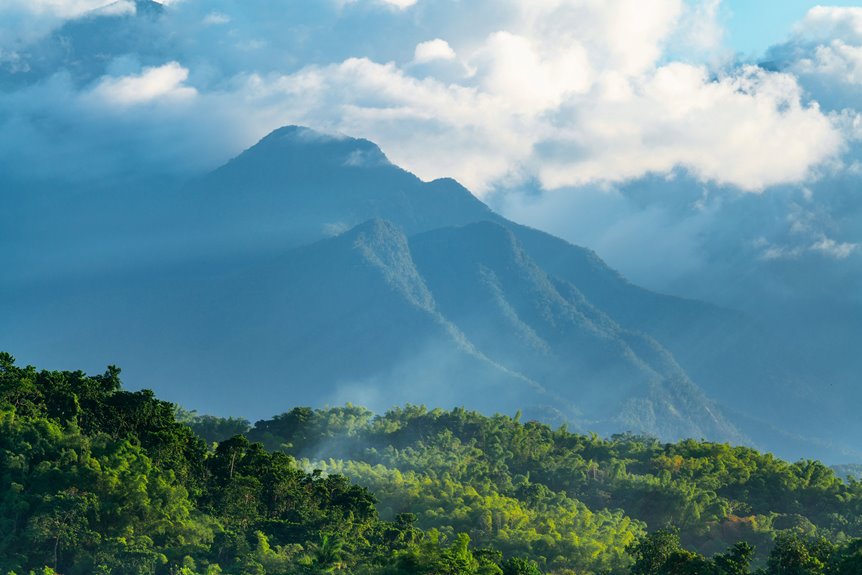
Jamaican Blue Mountain coffee is prized for its unique growing conditions and meticulous processing. Cool mountain mist, volcanic soil, and high altitude slow cherry ripening, producing a smooth body and delicate sweetness. Expect bright citrus notes, an exceptionally clean finish, and virtually no harsh bitterness. Handpicking, washed processing, and strict grading preserve consistency and freshness. Rarity and careful craft combine to make this coffee highly sought after.
What Is Jamaican Blue Mountain Coffee
Jamaican Blue Mountain Coffee is one of the world’s most prized coffees, and for good reason. You’ll find it’s a smooth, mild coffee grown from Arabica beans and known for its clean taste and gentle aroma.
Whenever you choose it, you’re joining coffee lovers who value care, craft, and quiet luxury in every cup. Producers often follow strict grading rules, and many growers pursue organic certification to show they respect the land.
Because this coffee has a balanced profile, you can enjoy it with simple brewing techniques like pour-over, French press, or drip. Each method lets you notice its soft body and low bitterness.
Should you want a coffee that feels welcoming and special, this one fits right in with your routine.
Why the Blue Mountains Produce Exceptional Coffee
Because the Blue Mountains rise high above the island, they give coffee plants the cool air, rich soil, and steady mist they need to thrive. You get more than scenery here. You get altitude terroir that shapes each tree from root to leaf.
The high elevation slows growth, so the plant can focus its energy with care. At the same time, the mountain slopes drain water well, while the forest helps protect the land. These microclimate subtleties matter because they create stable, gentle conditions across small areas. As a result, farmers can work with nature instead of against it.
Whenever you choose coffee from this region, you’re joining a place where climate, soil, and altitude all work together in a quiet, powerful way.
How Jamaican Blue Mountain Coffee Tastes
As you sip Jamaican Blue Mountain Coffee, you’ll notice a smooth, mild flavor that feels gentle and clean on your tongue. It also brings a soft sweetness that keeps each sip pleasant and easy to enjoy. Then a bright finish lifts the taste at the end, so the cup feels lively without ever turning harsh.
Smooth, Mild Flavor
One sip of Blue Mountain coffee often feels smooth from the start, and that easy texture is a big part of its charm.
You’ll notice a velvet texture that glides across your tongue, so the cup never feels harsh or loud. Instead, it gives you a creamy balance that feels calm and steady, like a quiet moment you can trust.
Because the flavor stays mild, you can enjoy each sip without strain, and that makes it easy to feel at home with this coffee. It speaks softly, but it still feels full and welcoming.
Should you enjoy coffee that supports your palate instead of pushing it, this style could suit you well. You get comfort, clarity, and a gentle taste that invites you back.
Sweet, Bright Finish
Just as the smooth body settles in, Jamaican Blue Mountain coffee often ends with a sweet, bright finish that feels clean and lively on your tongue.
You taste honeyed acidity initially, then a gentle lift that keeps each sip inviting. Because the finish stays crisp, you don’t feel weighed down, and that makes room for another warm moment with the cup.
- You notice a soft sparkle at the end.
- You get a citrus aftertaste that feels fresh.
- You enjoy sweetness without sharpness.
- You feel the cup stay balanced and calm.
- You want to share it with friends who value good coffee.
How Volcanic Soil Shapes the Flavor
Whenever you drink Jamaican Blue Mountain coffee, the mineral-rich volcanic soil helps shape a cup that feels smooth and lively. Those natural minerals feed the coffee plants in a way that adds depth without making the flavor harsh.
As the beans grow slowly in this rich soil, they’ve more time to build a sweet, balanced taste that you can really notice in each sip.
Mineral-Rich Volcanic Soil
Jamaican Blue Mountain coffee owes much of its charm to the mineral-rich volcanic soil that feeds its trees, because this soil gives the beans a steady mix of nutrients that shape taste from the ground up.
You can taste that care in the cup, where trace minerals help create a clean, balanced character.
Also, the soil microbiome works with the roots, so the plants absorb food in a natural, steady way.
- It supports healthy root growth
- It adds gentle depth
- It helps keep flavors bright
- It encourages balanced sweetness
- It gives the coffee a smooth finish
When you choose this coffee, you join a tradition that values place, patience, and quality.
That connection can feel personal, like you’re tasting the mountain itself with every sip.
Slow-Grown Flavor Development
Slow growth gives Jamaican Blue Mountain coffee its calm, layered flavor, and the volcanic soil plays a big part in that pace. You taste that patience in every cup. The rich earth feeds the trees slowly, so the cherries mature with extended ripening and balanced sweetness. At high slopes, cooler air also nudges altitude fermentation during processing, which can deepen floral nuances and soften sharp edges.
| Soil trait | Flavor effect |
|---|---|
| Mineral density | Cleaner taste |
| Good drainage | Steady growth |
| Slow nutrient release | Gentle sweetness |
| Cool mountain air | Bright aroma |
| Long cherry cycle | Smooth finish |
When you brew it, you’re joining a small circle that values care over speed. That feeling matters, because the coffee doesn’t rush, and neither should you.
How Blue Mountain Coffee Is Harvested and Washed
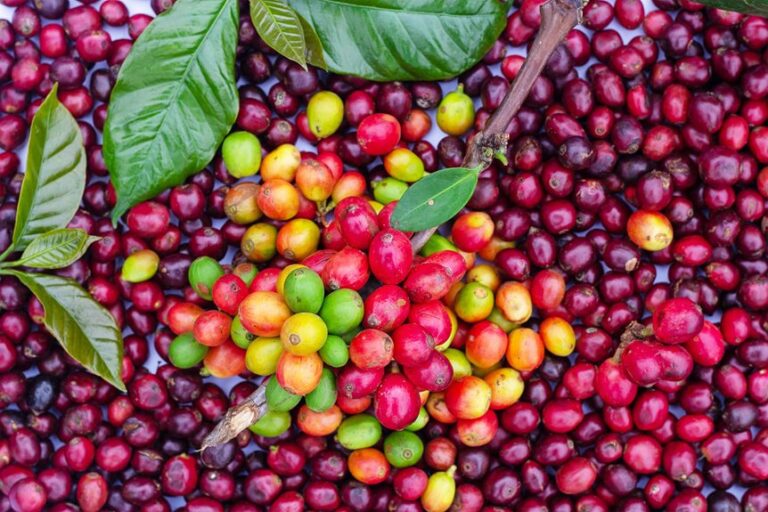
Pickers harvest Blue Mountain coffee with care, and that careful work starts high in the misty hills. Under shade grown practices, they choose ripe cherries manually, so you get fruit gathered at the right moment. Next, estate sorting helps separate leaves, stones, and uneven cherries before washing begins. You can envision the process as steady and calm, with each step protecting the clean taste you love.
- Handpicking keeps damage low
- Ripe cherries go into clean baskets
- Estate teams sort at the farm
- Fresh water removes sticky pulp
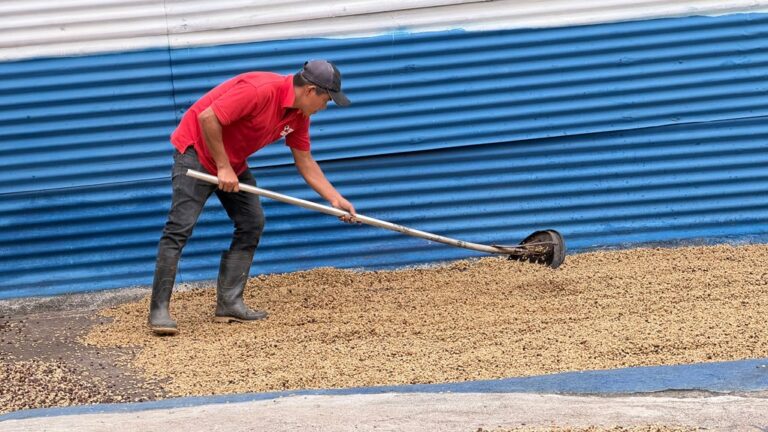
- Beans dry after washing
Because the hills stay cool and damp, the cherries move quickly from tree to tank, and that pace helps preserve sweetness. Whenever you sip the cup later, you feel the care that your coffee community has already shared.
How Blue Mountain Coffee Grading Works
Once the washed beans are ready, grading gives Blue Mountain coffee its final shape and helps protect the standard people count on. You may consider it as the step that sorts each lot by bean size, shape, and how well the beans match.
In altitude grading, beans from higher slopes often earn careful attention because growers and buyers trust that these lots reflect the mountain’s character. You stay connected to that process whenever each batch gets checked again and again.
Smaller defects get removed, and the clean, even beans move forward together. That’s why the cup feels steady and familiar.
Whenever you choose Blue Mountain coffee, you’re joining a tradition that respects detail, rewards care, and keeps quality easy for you to trust.
Why Jamaican Blue Mountain Coffee Is So Rare
Jamaican Blue Mountain coffee is so rare because almost everything about it works against easy mass production.
- The mountains give you steep land, not wide farms.
- Cool mist slows growth and lowers crop size.
- Farmers must handpick cherries with care.
- The island allows only limited export.
- high demand keeps every batch wanted fast.
When you look at that mix, you see why so few bags reach you. Small farms protect the local character, but they also keep supply tight.
Careful growing takes time, and the weather doesn’t rush for anyone. So each harvest stays small, and the coffee feels special because it’s special. Should you love it, you’re part of a group that values patience, skill, and a cup worth waiting for.
How to Tell if Blue Mountain Coffee Is Authentic
A real cup of Blue Mountain coffee should feel as special as its name, and you can spot a lot of the truth before you even brew it. Start with the bag. You should see clear certification marks, a Jamaica origin, and a lot number that matches the source. Then check the roast profiles; true beans usually show careful, even roasting, not a dark, oily disguise. | Check | What you want | | — | — | | Label | Jamaica Blue Mountain name | | Seal | Certification marks | | Beans | Even color, clean look | In case the price looks low, pause. Should the seller feels vague, pause again. Whenever you buy from trusted shops, you join the crowd that gets the real thing, and that confidence makes every cup feel like yours.
What Coffee Drinkers Love Most About It
After you know a real Blue Mountain coffee from the fakes, the next thing people notice is why it wins hearts so fast. You taste a soft, sweet cup that feels calm, not loud, and that makes you feel part of a small, prized circle. The flavor stays smooth, with gentle chocolate, floral hints, and almost no bite. Because of that, your morning feels special without trying too hard.
- You get a clean finish that invites another sip.
- You enjoy balanced sweetness instead of harsh bitterness.
- You can share heritage stories that make each cup feel rich.
- You build brewing rituals that slow your day in a good way.
- You notice how it brings coffee lovers together with quiet esteem.
That warm belonging is what many drinkers love most.
Frequently Asked Questions
How Much Caffeine Does Jamaican Blue Mountain Coffee Contain?
You’ll get about 70 to 80 mg per 8 ounce cup; the caffeine content can vary. If you have wondered whether less caffeine means gentler health effects, you are right to look closer—this coffee can help you fit in anywhere.
Is Jamaican Blue Mountain Coffee Suitable for Espresso?
Yes, you can use Jamaican Blue Mountain coffee for espresso; you’ll enjoy smooth body and gentle sweetness. Pair it with rich espresso pairing dishes, and expect modest crema development that feels refined, not heavy.
What Is the Best Brewing Method for This Coffee?
You’ll usually get the best cup with pour over precision, which highlights its delicate sweetness and clarity. Should you crave body and warmth, choose French press richness. Either way, you’ll fit right into coffee lovers’ circles.
How Should Blue Mountain Coffee Beans Be Stored?
You should store Blue Mountain coffee beans like guarding a treasured key: use proper sealing, cool storage, and keep them away from light and air. You will preserve flavor, aroma, and your coffee circle’s esteem.
Does Blue Mountain Coffee Age Well Over Time?
Yes, you can age Blue Mountain coffee a bit, and you will observe gentle flavor evolution, but cellar aging is not ideal; you will belong to the freshest cup crowd once you brew it sooner.