
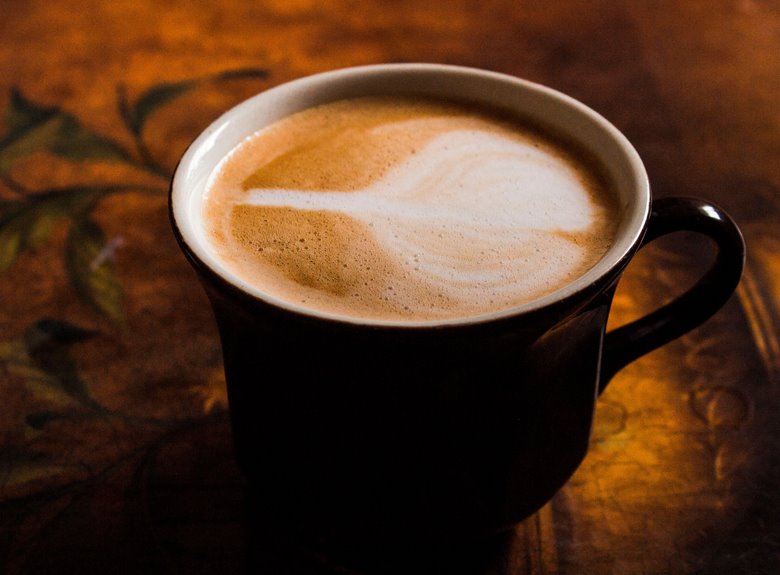
Kona coffee is a high-quality Arabica grown on the slopes of Hawaii’s Big Island. Its flavor comes from rich volcanic soil, steady sunshine, and cool nights. Small farm size and careful harvesting produce smooth, mildly fruity beans. True Kona is often more expensive because production is limited and labor-intensive. Labels vary, so checking origin and grade helps identify authentic Kona.
What Is Kona Coffee?
Kona coffee comes from the slopes of Hawaii’s Big Island, where rich volcanic soil, steady sunshine, and gentle rainfall help the beans grow with care.
You’re tasting a coffee with a clear identity, because single origin sourcing keeps it tied to one place and one harvest. That matters whenever you want a cup that feels honest and easy to trust.
With Kona coffee, flavor chemistry shapes a smooth body, bright aroma, and a clean finish that feels welcoming, not harsh.
You can enjoy it black or with milk, and it still keeps its calm character.
Whenever you choose Kona, you’re joining a community of people who value craft, place, and a coffee that greets you like an old friend.
Where Does Kona Coffee Grow in Hawaii?
Should you love the smooth taste of this famous Hawaiian coffee, it helps to know exactly where it grows. You’ll find Kona coffee on the west side of Hawaii’s Big Island, mainly along the slopes of Hualalai and Mauna Loa.
This narrow belt sits between sea level and about 2,500 feet, where growers care for each tree like family.
- Warm sunshine touches the rows.
- Rain drifts in during the afternoon.
- Volcanic soils feed the roots.
These farms also sit in mountain microclimates, so the weather can shift from one grove to the next. That gives you coffee grown in a place that feels small, special, and shared by the local community.
Whenever you imagine Kona, consider green hills, steady trade winds, and hillside farms that proudly belong to Hawaii.
Why Does Kona Coffee Taste So Smooth?
The secret lives in the bean itself. You taste that smoothness because Kona coffee keeps its acid balance gentle, so each sip feels easy instead of sharp.
The beans grow with slow care in rich volcanic minerals, and that gives the cup a round, clean flavor that feels welcoming. Whenever you drink it, you might notice soft sweetness, light fruit notes, and almost no rough edge.
That’s why many coffee lovers feel at home with Kona coffee right away. It doesn’t shout for attention. It invites you in. The calm finish stays on your tongue, so you can relax and enjoy another sip.
Should you like coffee that feels friendly and polished, Kona coffee gives you that comfort with every cup.
How Is Kona Coffee Made?
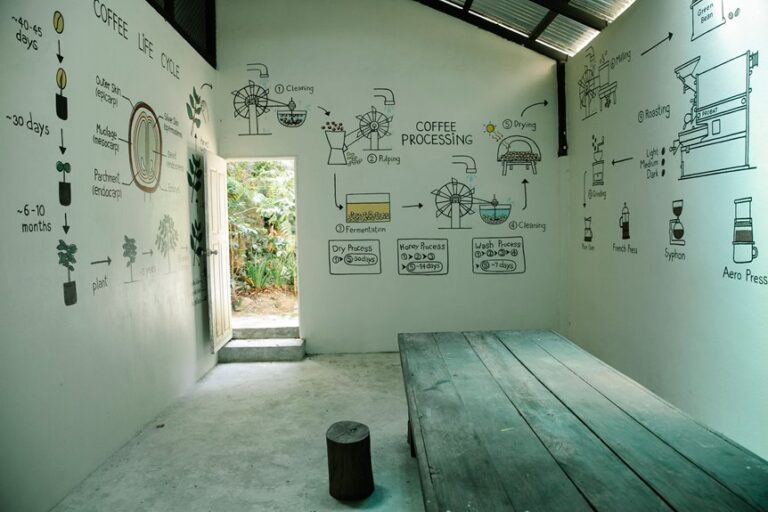
You start Kona coffee making with careful cherry harvesting, since only ripe cherries give you the best flavor.
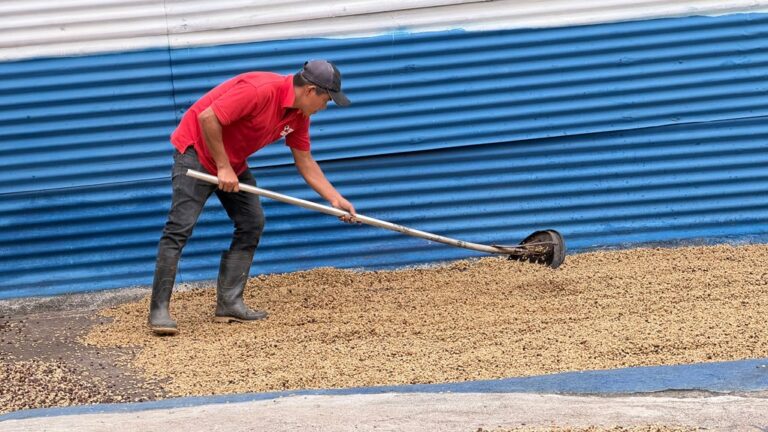
After that, the beans get washed, dried, and prepared for roasting, which brings out the coffee’s sweet, smooth taste.
Then the roasting process shapes the final cup, so each step matters more than you could imagine.
Cherry Harvesting
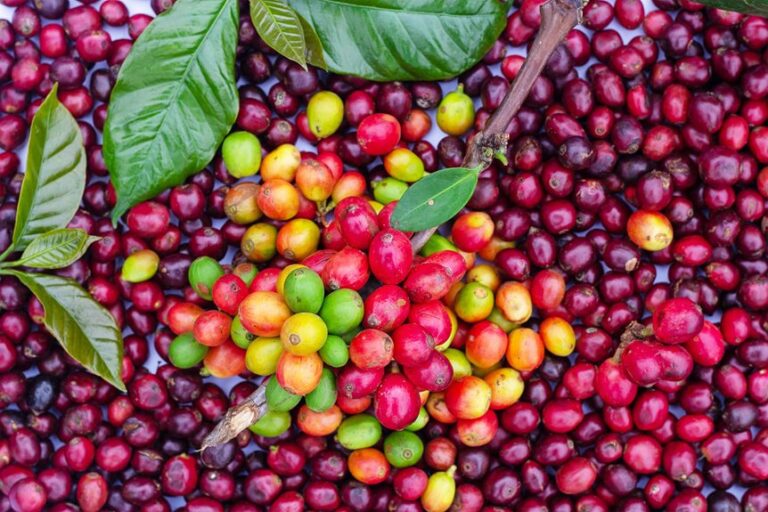
Harvest time is as Kona coffee starts to show its true character, and cherry picking sits at the heart of that process. You’ll often join growers who know every row and choose only ripe, red cherries by handpicking cherries, because that care protects the flavor you’re hoping for. In some larger areas, mechanical harvesting might help move faster, but Kona’s steep slopes and mixed ripeness still make careful picking the norm.
- Bright red cherries glow under green leaves.
- Baskets fill with fruit that feels firm and sweet.
- Pickers move gently, sharing the same hillside rhythm.
As you watch the work, you can feel how each choice matters. The harvest isn’t rushed. Instead, it brings you into a small, patient community that values quality, trust, and the satisfaction of doing things right.
Roasting Process
Once the ripe cherries are picked, their flavor still has a long voyage ahead, and roasting is where Kona coffee starts to show its deeper voice. You get the best cups whenever the roaster uses careful heat, because each batch can change fast.
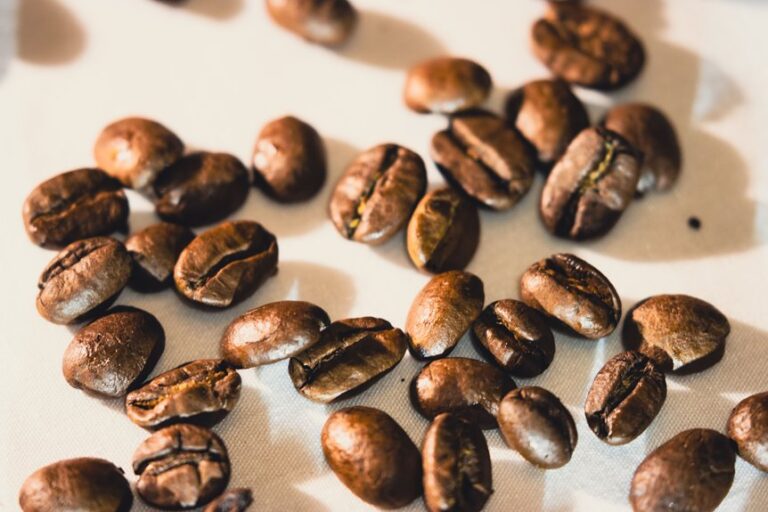
Initially, the beans dry, then they brown, and their sugars open up like a welcome mat. A light micro roast keeps bright fruit notes alive, while a darker roast brings more cocoa and toasted sweetness.
During flavor profiling, the roaster watches smell, sound, and color, so your coffee stays balanced and true to its farm roots. After, this step is done well, you can taste the island’s care in every sip, and that feels like being invited right in.
Understanding Kona Coffee Grades and Labels
Because Kona coffee labels can feel confusing at initially, it helps to know that the grade on the bag tells you a lot about bean size, shape, and quality. Whenever you see Estate Grade, you’re looking at beans from one farm, which can give you a steady, familiar cup that feels like part of the family.
Shade Grown signals trees protecting the plants, helping slow ripening and build rich flavor. You’ll also notice simple terms that point to how the beans were sorted.
- Large, even beans often mean careful selection
- Smaller beans perhaps still taste sweet and clean
- A tidy label helps you spot the style you want
How Can You Spot Real Kona Coffee?
So, how can you tell whether the bag in your hand is the real thing? Start with Certification verification. Look for the 100% Kona label, then check that the seal and origin details match Hawaii’s official standards.
Next, read the roast date and packer name, because real brands give clear facts, not vague promises.
After that, use Taste sampling to trust your senses. Genuine Kona often feels smooth, bright, and gently sweet, with a clean finish that doesn’t shout. Should the flavor seem flat or harsh, keep looking.
You can also compare the aroma before brewing and the cup after brewing, since true Kona stays balanced.
Whenever you shop with care, you join the group that knows what real quality tastes like.
Why Does Kona Coffee Cost More?
Kona coffee costs more because it can only grow in a small stretch of Hawaii, and that tight growing area keeps supply low.
You also pay for careful handpicking and the extra work it takes to harvest the beans on steep, sunny slopes.
Limited Growing Region
Even though Kona coffee feels familiar to many coffee lovers, its growing area is very small, and that tiny stretch of land is a big reason it costs more. You only get a narrow belt on Hawaii’s Big Island, where volcanic microclimates and elevation constraints shape each bean. That means the plants can’t spread across huge farms like other coffees. Instead, you’re getting coffee from a place with very specific soil, rain, and sunshine.
- Steep green slopes hold rows of coffee trees.
- Misty mornings drift over dark lava soil.
- Warm afternoons shift into cool mountain air.
Because that land is limited, every bag feels more special, and you can taste that rare sense of place. Whenever you choose it, you’re joining a small circle that values uniqueness.
Labor And Harvest Costs
Hand-picking Kona coffee takes time, skill, and a lot of careful labor, and that work shows up in the price. You’re not just paying for beans. You’re helping support fair wages for pickers who climb slopes and choose only ripe cherries. That kind of care keeps the flavor clean and bright, but it also means farmers can’t rush the job.
Because the hills are steep and the trees are small, machines can’t do much here, so mechanization costs stay high whenever growers try to harvest efficiently. Then, after picking, workers sort, pulp, and dry the coffee with close attention. So if you buy Kona coffee, you join a community that values craft, patience, and the people who make each cup possible.
How Do You Brew Kona Coffee at Home?
Start treating your coffee like something worth a little care, because that’s where great Kona flavor really begins. Use fresh grounds, filtered water, and a clean brewer so each cup feels calm and welcoming.
For a bright mug, choose a medium grind and pour slowly over the grounds. Should you prefer a softer, richer sip, try cold brew through steeping coffee overnight in the fridge. For a quick, full-bodied cup, use AeroPress techniques with steady pressure and a short brew time.
- A warm kitchen, with sunlight on the counter
- A glass carafe filled with deep, golden coffee
- A quiet morning where your initial sip feels like home
You don’t need fancy gear to fit in with good coffee lovers. You just need care, patience, and a brew that meets you where you are.
What Sets Kona Coffee Apart?
Kona coffee stands apart because it grows in a narrow strip of land on Hawaii’s Big Island, where rich volcanic soil, gentle rain, and sunny mornings work together to shape its taste. You can feel that volcanic terroir influence in every cup, from the clean body to the soft sweetness. Its single origin focus also helps you notice one clear place, one clear story, and one clear flavor identity.
| Trait | What You Observe | Why It Matters |
|---|---|---|
| Soil | Bright, mineral notes | Adds depth |
| Climate | Gentle, steady growth | Builds balance |
| Harvest | Careful picking | Protects quality |
When you choose Kona, you’re joining a small circle of coffee lovers who value traceable beans and a calm, comforting brew. That sense of place makes each sip feel personal, like it was made for you.
Frequently Asked Questions
Is Kona Coffee the Same as Hawaiian Coffee?
No — you’re not getting the same thing. Only about 1% of Hawaii’s coffee is Kona, so Kona labeling matters. Hawaiian coffee can come from other islands too, and origin myths often blur the difference.
Can Kona Coffee Be Decaffeinated?
Yes, you can find decaf Kona coffee. You should check the decaffeination methods used, because gentler processing helps preserve flavor so you still get that rich, smooth cup you love.
How Should Kona Coffee Beans Be Stored?
Store your Kona coffee beans in proper storage: airtight containers, away from moisture, in cool darkness. You will protect flavor, preserve freshness, and enjoy every cup, feeling confident you belong among careful coffee lovers.
Does Kona Coffee Expire Quickly?
No, Kona coffee does not expire quickly, but you will lose its freshness sooner if you ignore packaging and storage. Store it properly and you will keep that rich, familiar cup everyone loves for longer.
Are There Flavor Differences Between Farm Regions?
Yes. Different farm regions give you distinct flavors. You’ll taste microclimate influence and soil minerality in each cup, from brighter fruit nuances to deeper sweetness, so you can find the profile that feels like your own.