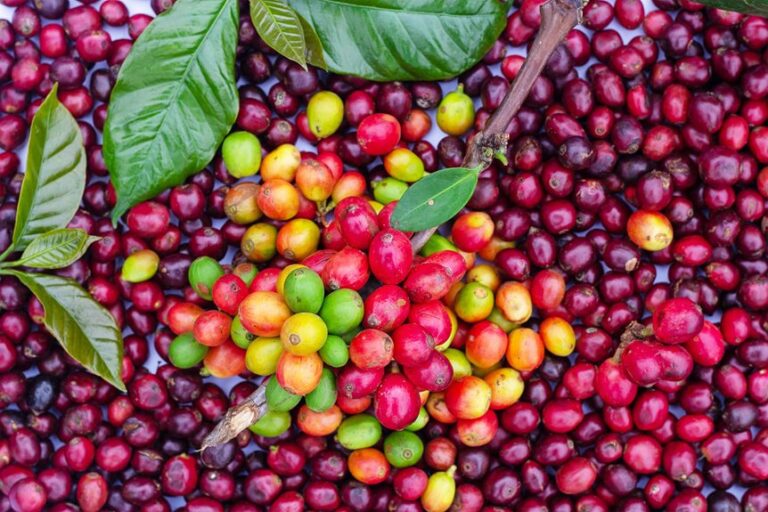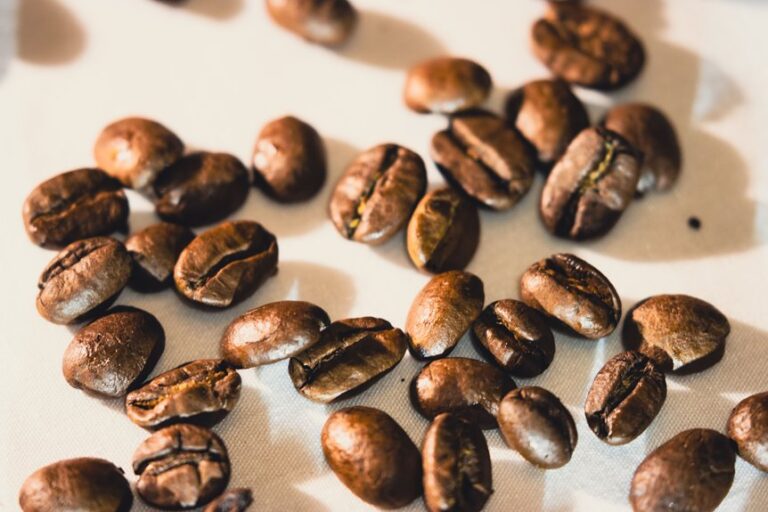

Brazil leads the world in coffee production and delivers cups that are mellow and dependable. Brazilian coffee commonly shows flavors of milk chocolate, toasted almond, and soft caramel with a rounded, low-acidity body. Weather, altitude, and processing methods across regions create subtle variations from nutty and sweet to slightly fruity. Darker roasts amplify chocolate and roasted notes, while lighter roasts can reveal delicate fruit and floral hints. For someone seeking a smooth, rich cup without sharp brightness, Brazilian beans provide consistent, approachable flavor.
What Makes Brazilian Coffee Unique?
Because Brazil grows coffee on a huge scale, it offers a flavor profile that feels both familiar and surprising. You can taste its uniqueness in the way wide farms, varied regions, and careful processing shape each lot.
This scale also affects the socioeconomic impact, because coffee supports many families, jobs, and local businesses. Whenever you buy Brazilian coffee, you’re connecting with a long chain of people who depend on steady harvests and fair trade.
Its export logistics also matter, since Brazil moves beans through efficient ports and shipping networks that help keep coffee available year round. That reach gives you reliable access, yet each bag still carries a distinct sense of place. So you get comfort, consistency, and a quiet reminder that your cup belongs to a much larger story.
Brazilian Coffee Flavor Notes
As you sip Brazilian coffee, you’ll often observe nutty and chocolatey tones right away.
These flavors feel smooth and comforting, like a warm treat in your cup.
You’ll also find a sweet, low-acidity profile that keeps each sip gentle and easy to enjoy.
Nutty And Chocolatey Notes
Brazil’s nutty and chocolatey coffee subtleties can feel like a warm, easy smile in your cup.
Whenever you brew a Brazil, you’ll often notice almond, hazelnut, and cocoa that settle in smoothly and make you feel at home.
These flavors shine in a single origin pairing, where the bean stands on its own and shows its true character.
Provided post harvest fermentation is handled with care, it can deepen the chocolate side without turning the cup busy.
You can enjoy these observations in espresso, drip, or a simple milk drink, and each sip still feels familiar.
Sweet Low-Acidity Profile
A sweet, low-acidity cup is one of the main reasons so many people feel at ease with Brazilian coffee. You can sip it without that sharp bite that sometimes pushes people away. Instead, you get a smooth comfort that feels welcoming from the outset taste.
The natural sugarcane sweetness gives each sip a gentle lift, while the soft finish keeps the cup calm and easy to enjoy. That balance works well with low acidity desserts, since both bring a mellow, friendly taste to the table.
Should you like coffee that feels steady and kind, this profile fits right in. It lets you relax, settle in, and feel like you’re sharing a warm moment with people who just get your taste.
Brazilian Coffee Processing Methods
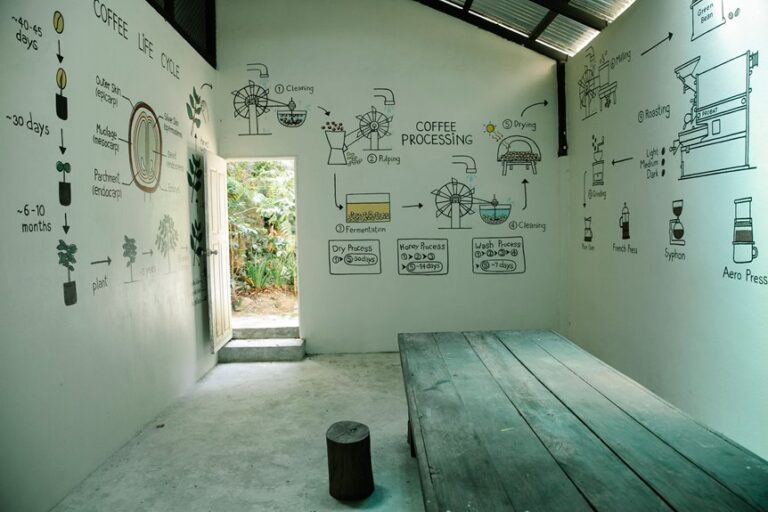
Brazilian coffee processing methods do more than move beans from the farm to your cup, because they shape the taste, body, and sweetness you feel right away. Whenever you choose these coffees, you often taste careful dry fermentation, which lets the fruit rest and build gentle complexity.
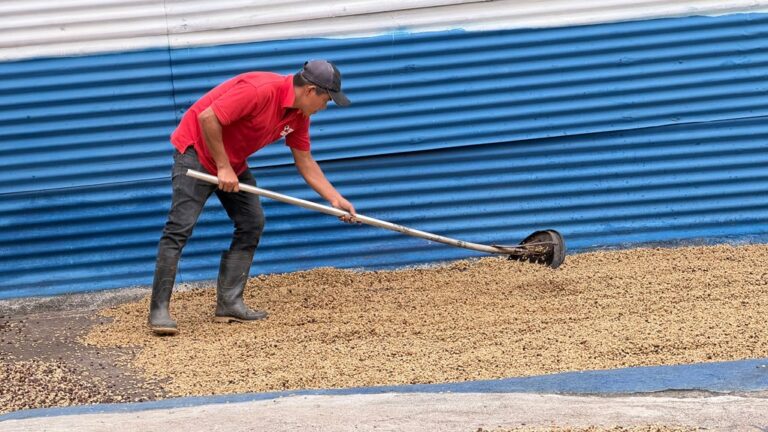
Then natural drying helps the beans keep their smooth, sweet character, so each sip feels warm and familiar. You’ll also notice that producers often balance speed and care, and that balance gives you a clean cup without losing comfort.
As a result, you can expect soft acidity, fuller body, and a relaxed finish that feels easy to enjoy. Should you’ve wanted coffee that welcomes you in, Brazilian processing can make that connection feel simple, steady, and satisfying.
Brazil’s Top Coffee-Growing Regions
You’ll notice that Minas Gerais often leads the story, since its highland farms produce many of Brazil’s most prized coffees.
In São Paulo, old plantations still shape the region’s coffee identity, while Espírito Santo adds fresh energy with its lively harvests.
Together, these regions give you a clear portrait of how Brazil’s coffee map creates such rich and varied flavor.
Minas Gerais Origins
At the time people talk about Minas Gerais, they’re often talking about the heart of Brazil’s coffee story, because this inland state grows some of the country’s most respected beans.
You can taste its minas gerais terroir in the steady sweetness, gentle acidity, and nutty depth that feel welcoming right away. The high farms and mild seasons help cherries ripen slowly, and that slow pace gives you a clean, balanced cup.
In many towns, artisanal mills protect that care by processing each lot with close attention and local esteem. Whenever you brew coffee from Minas Gerais, you’re joining a tradition built alongside families, skilled growers, and patient hands. That’s why each sip can feel familiar, warm, and just a little brighter than you expected.
São Paulo Plantations
While Minas Gerais often gets the spotlight, São Paulo plantations add another significant layer to Brazil’s coffee story. You’ll notice how these farms blend rich soil, steady care, and smart growing methods to create beans with balance and gentle sweetness.
In the interior, growers often protect quality through careful picking and drying, so each cup feels smooth and welcoming. Should you visit nearby urban cafés, you might taste these coffees as a daily comfort, not just a special treat.
And whenever you join estate tours, you can see how the terrain and people work together with pride. That connection matters. It helps you feel part of a wider coffee community, where every harvest reflects patience, skill, and hometown heart.
Espírito Santo Harvests
- You’ll notice lively aroma initially.
- You can enjoy balanced acidity subsequently.
- You might even catch notes that echo samba festivals.
When you investigate these beans, you join a region that knows coffee as daily life and shared joy.
Best Roast Levels for Brazilian Coffee
Brazilian coffee really opens up once you pick the right roast, and that choice can make the cup feel smoother, sweeter, or a little more lively.
Should you want soft chocolate, caramel, and nut notes, choose a light to medium roast and watch the roast development closely. That keeps the natural sweetness clear and helps cup stability stay strong from initial sip to last.
In case you like a rounder body and less sharpness, a medium roast usually feels like home. You get warmth without losing the coffee’s easy charm.
Dark roasts can work, too, but they should stay balanced, so the beans don’t turn flat or smoky.
Whenever you roast with care, you’ll notice Brazilian coffee welcomes you with comfort and consistency every time.
How Brazilian Coffee Performs in Blends
In blends, coffee from Brazil often acts like the steady hand that keeps everything in balance. You get blend stability because its mild profile helps louder coffees stay smooth instead of sharp.
- It adds body improvement, so your cup feels fuller and friendlier.
- It supports sweetness balancing, which keeps dark cocoa and nutty notes from tasting harsh.
- It offers roast masking, so you can soften edge from brighter beans without losing character.
When you build a blend, Brazil gives you room to guide flavor with confidence. It works well with both espresso and drip, and it helps your coffee feel welcoming, not crowded.
Should you want a blend that tastes united and easy to enjoy, this bean makes you feel like part of the team.
Brazilian Single-Origin Flavor Profiles
As you sip a single-origin coffee from Brazil, you often notice a calm, grounded flavor that feels easy to trust. You might taste milk chocolate, soft nuts, and a gentle caramel sweetness that makes each cup feel welcoming.
Because Brazil has many regions, you also get clear terroir expression, from bright, fruity notes in higher farms to deeper cocoa tones in warmer valleys. This range helps you feel connected to the land behind your cup.
Whenever producers try varietal experiments, they can bring out sharper citrus, floral hints, or a cleaner finish without losing that familiar smoothness. So, each sip could feel both comforting and new, like meeting a friend who still has a few surprises.
Brewing Methods That Highlight Brazilian Coffee
Whenever you brew Brazilian coffee with care, its smooth body and gentle sweetness can shine in a really satisfying way.
You’ll feel right at home whenever you match the brew to the cup you want.
- Use a french press should you want a round, cozy sip. The mesh lets the coffee oils stay, so the flavor feels fuller and warm.
- Try cold brew whenever you desire a soft, low-acid cup. Steep it slowly, and you’ll bring out cocoa-like notes without much bite.
- Choose a pour-over whenever you seek a brighter taste. A steady pour helps you notice caramel tones and keeps the cup clear.
With these methods, you can share a brew that feels welcoming, familiar, and easy to love.
How to Choose a Good Brazilian Coffee
Choosing a good Brazilian coffee starts with grasping what you want in the cup, because the right bag can make your morning feel easy and satisfying. Look for notes you enjoy, like chocolate, nuts, or soft fruit, and check the roast date initially. Fresh beans usually taste brighter and warmer.
| Clue | What it Means | Why You’ll Care |
|---|---|---|
| Whole beans | Better flavor | You keep more aroma |
| Roast date | Fresher coffee | You taste more detail |
| Ethical sourcing | Fair farming | You support trusted growers |
Next, trust your nose and your routine. In case you share coffee with friends, choose a balanced lot that feels welcoming. During cup calibration, compare a few brews side by side so you can spot sweetness, body, and aftertaste. That small habit helps you pick a Brazilian coffee that feels like it belongs in your kitchen.
Frequently Asked Questions
How Much Caffeine Is Typically in Brazilian Coffee?
You’ll usually get about 70 to 140 mg of caffeine per 8 ounce cup, depending on brew method and bean. Light roast and medium roast can vary a bit, but you’re still part of the caffeine crowd.
Is Brazilian Coffee Usually Organic or Conventionally Grown?
You’ll usually find Brazilian coffee conventionally grown, though some farms use organic methods. If you want options that align better with your values, look for fair trade or direct trade labels when buying.
How Should Brazilian Coffee Be Stored for Freshness?
Store it in airtight containers in cool darkness. Nearly 70% of coffee’s aroma vanishes within weeks when exposed to air and light, so you will protect freshness, flavor, and your coffee loving community’s shared ritual.
Is Brazilian Coffee Suitable for Cold Brew?
Yes, you can use it for cold brew; you’ll get sweet chocolatey nuances and low acidity. You’ll fit right in with fans who love a smooth, mellow cup that is easy to enjoy.
What Price Range Is Common for Quality Brazilian Coffee?
You’ll usually pay $12 to $25 per 12 ounces for quality Brazilian coffee, though fair trade or direct trade lots can run higher. You are joining a community that values traceable, well roasted beans.