
Medium roast coffee balances brightness and bitterness for an approachable cup. It delivers warm notes of cocoa, toast, nuts, and light caramel. Origin flavors like berry, citrus, or honey still peek through. This roast suits many brewing methods and rewards careful brewing. Expect a versatile, flavorful coffee that reveals more detail with thoughtful preparation.
What Defines Medium Roast Coffee
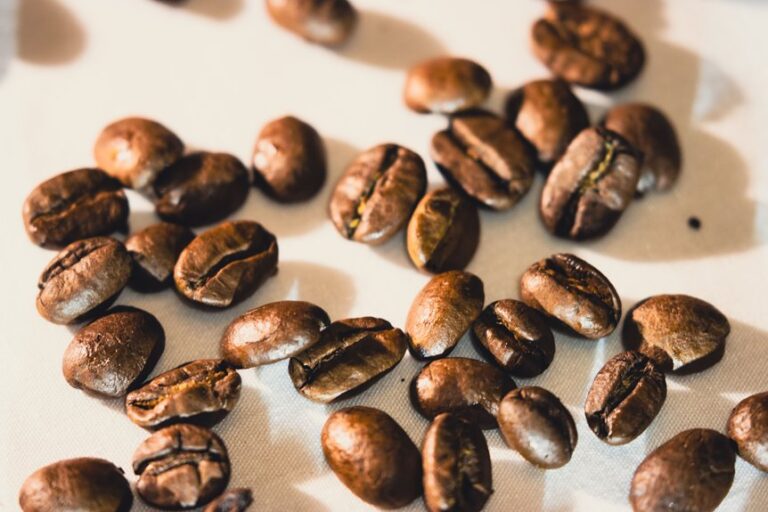
What makes a coffee a medium roast? You’ll notice it lands between light and dark, with beans taken to a point where they look brown, not oily. That middle ground gives you balance, and it’s why many coffee drinkers feel at home with it.
You’re not chasing sharp acidity or heavy roast taste here. Instead, you get a steady profile that works for daily brewing.
It also creates solid espresso compatibility, since the roast keeps enough structure for pressure brewing without feeling too intense. You might hear single origin myths that say only one roast style suits one bean, but medium roast gives you room to enjoy many coffees with less fuss.
It’s the kind of roast that welcomes you in and makes your cup feel easy.
Common Medium Roast Coffee Flavor Notes
You’ll often taste a medium roast as smooth and balanced, with a gentle sweetness that feels easy to enjoy.
You might also notice nutty undertones that add warmth and depth without taking over the cup.
A bright acidity can still peek through, giving each sip a lively lift that keeps the flavor from feeling flat.
Balanced Sweetness
Balanced sweetness is one of the most comforting parts of a medium roast coffee, because it gives each sip a smooth, rounded taste without feeling too heavy or too sharp.
You can taste it as a gentle fruity caramel detail that feels warm and familiar, almost like the cup is meeting you halfway.
A light molasses subtlety might also show up, adding depth without stealing the spotlight. This balance helps you enjoy the coffee’s brighter side while keeping the flavor calm and steady.
Nutty Undertones
As the cup opens up, nutty undertones often step forward with a warm, easy charm that makes medium roast coffee feel even more welcoming. You could notice almond, hazelnut, or peanut-like flavors that sit gently under the coffee’s main sweetness. These notes give each sip a cozy, familiar feel, almost like joining a table where everyone already knows your name.
Once the roast lands in the middle range, it can build walnut complexity, adding a deeper, rounder edge without turning harsh. You might also catch soft cocoa notes that blend with the nuttiness and keep the cup smooth. Together, these flavors help you feel settled, comfortable, and right at home with every sip.
Bright Acidity
Bright acidity gives medium roast coffee a lively lift that wakes up the cup without making it sharp. You’ll notice a clean spark that feels friendly, not harsh, and that balance helps you feel right at home with each sip. This citrus brightness can remind you of orange peel, lemon zest, or sweet apple, while still staying smooth.
| Taste cue | What you might notice | How it feels |
|---|---|---|
| Lemon | Light snap | Fresh |
| Orange | Soft sparkle | Bright |
| Apple | Gentle tang | Easy |
As the brew cools, the acidity perception often grows clearer, so you can catch more detail. That little change keeps the cup interesting and makes your medium roast feel welcoming, even on a quiet morning.
Aroma and Body in Medium Roast Coffee
The aroma and body of medium roast coffee often win people over before the initial sip even touches your lips. You’ll notice a warm scent with hints of toast, cocoa, nuts, and soft fruit. That smell feels familiar, so you can settle in fast. With single origin sourcing, you might pick up cleaner notes that reflect the farm and region. Seasonal freshness also matters, because a fresher roast keeps those aromas lively instead of flat.
When you pour it, the body usually feels smooth and medium full, not thin or heavy. It coats your mouth gently, so each sip feels comforting and easy to enjoy. This texture helps you feel included in the moment, like the cup is meeting you halfway. Should you like coffee that feels welcoming, medium roast gives you that cozy middle ground without trying too hard.
Why Medium Roast Tastes Balanced
Medium roast often tastes balanced because you get enough sweetness to soften the sharp edges of acidity, so each sip feels smooth and easy.
You’ll also notice that the body and aroma work together, which gives the coffee a fuller, more inviting feel without pushing one nuance too hard.
That harmony comes from the roast level, and it keeps the flavor steady, lively, and comfortable at the same time.
Sweetness And Acidity
Why does a cup of medium roast often feel so easy to love? You get a gentle mix of sweetness and acidity that meets you in the middle.
During roasting, some residual sugar stays present, so each sip can taste soft and warm instead of sharp. At the same time, citric brightness adds a clean spark that keeps the cup lively.
Because neither tone takes over, you can relax and enjoy the balance without trying to decode it. That’s why medium roast often feels like the friend in the group who gets along with everyone.
You taste enough sweetness to feel comfort, and enough acidity to keep things interesting. Together, they make the cup feel familiar, steady, and welcoming.
Body And Aroma
After that sweet, bright sip, the cup’s body and aroma step in and give medium roast its calm, rounded feel. You notice a medium weight that sits easily on your tongue, so each sip feels steady, not heavy.
The crema texture can feel smooth and soft, which adds a gentle richness right away. Then the aroma opens up with warm cocoa, toasted nuts, and floral subtleties that make the cup feel welcoming.
Because the roast stays in the middle, you get enough depth to feel satisfied and enough lift to stay curious. You can relax into it, like joining a table where everyone knows your name. That easy balance helps the coffee feel familiar, comforting, and just right for everyday drinking.
Roast Level Harmony
With medium roast, the balance comes from how the heat shapes the bean without pushing it too far in either direction.
You get sweet notes, gentle acidity, and a fuller body that feels welcoming, not loud. That’s why you can join a crowd of coffee lovers and still find your own favorite cup.
- You taste caramel, nuts, and soft fruit.
- You keep enough brightness for a lively sip.
- You avoid the sharp edge of lighter roasts.
- You skip the heavy bitterness of darker roasts.
- You enjoy single origin pairing with ease, plus seasonal freshness.
Because the roast stays in the middle, each cup feels steady and familiar.
How Roasting Changes Coffee Flavor
Roasting steadily reshapes coffee’s flavor, and you can taste that change in every sip. As heat rises, chemical transformations begin inside each bean, and Maillard reactions create new aromas, deeper color, and that inviting toasty nuance you crave.
Shortly into the roast, bright fruit and floral hints start to soften. Then sweetness grows, body feels fuller, and the cup moves toward caramel, cocoa, and warm spice. Should the roast goes farther, bitter edges can appear, so medium roast keeps a balanced middle ground. You get enough development for comfort, but not so much that the bean’s origin feels lost. That balance helps you feel at home in the cup, like you’ve found your coffee crowd.
Best Brewing Methods for Medium Roast Coffee
For medium roast coffee, your brewing method can make the difference between a flat cup and one that feels rich, smooth, and alive. You’ve got great options, and each one brings out a different kind of comfort.
- Pour-over gives you a clean, bright cup.
- French press adds body and a cozy texture.
- Drip coffee works well for easy daily brewing.
- cold brew softens the cup and feels mellow.
- espresso extraction creates a bold shot with a sweet finish.
If you want balance, start with medium-fine grounds and steady water around 200°F. Then adjust your grind and brew time until the cup tastes like your kind of place.
With a little care, you’ll find a method that feels familiar, welcoming, and worth sharing.
How Coffee Origin Shapes Medium Roast Flavor
A coffee’s origin leaves a quiet fingerprint on every medium roast cup. You can taste it in the cup’s gentle fruit, nut, or chocolate notes, and that’s part of the fun.
Whenever you choose a single origin, terroir matters because soil, rain, and local growing habits shape the bean before roasting even begins. Then altitude effects step in, since higher farms often grow denser beans with brighter flavor and cleaner sweetness.
At medium roast, those traits stay clear, so you feel more connected to the place behind each sip. Should a coffee comes from Ethiopia, Colombia, or Guatemala, you might notice a different rhythm in the flavor, yet each one can still feel warm, balanced, and easy to welcome into your daily routine.
Medium Roast vs. Light and Dark Roast
As you compare medium roast with light and dark roast, the differences show up fast in the cup. Light roast keeps sharper acidity and brighter fruit tones, while dark roast brings smoky depth and a bolder, sometimes bitter edge. Medium roast sits between them, so you get balance without losing character.
With single origin sourcing, you can notice how roast development shapes one coffee’s sweetness, body, and finish more clearly.
- Light roast feels lively and crisp
- Medium roast tastes smooth, rounded, and friendly
- Dark roast turns richer but less subtle
- Medium roast often shows chocolate, nuts, and caramel
- Your brew choice can help you find your comfort zone
Frequently Asked Questions
How Should Medium Roast Coffee Be Stored to Preserve Freshness?
Store it like treasured gold: keep your coffee in airtight containers and in cool storage, away from light, heat, and moisture. You’ll preserve freshness, enjoy every cup, and stay part of the morning ritual.
Does Medium Roast Coffee Have More Caffeine Than Dark Roast?
Not usually; you’ll get similar caffeine, with light differences from roast chemistry and caffeine myths. If you measure by scoop, medium roast can seem stronger, yet by weight, dark roast often matches closely.
What Grind Size Works Best for Medium Roast Coffee?
You’ll usually do best with a medium fine grind for medium roast coffee; it’s drip friendly and balances extraction well. You’ll get a smoother cup, and you’ll feel right at home brewing it confidently.
Is Medium Roast Coffee Suitable for Cold Brew?
Yes, you can use medium roast coffee for cold brew; you’ll get fruity tones, a smooth body, and balanced acidity. You will join plenty of coffee lovers who enjoy its approachable, crowd pleasing flavor.
How Long Does Medium Roast Coffee Stay Fresh After Roasting?
You’ve got about 2 to 4 weeks for peak freshness after roast date; vacuum sealing, airtight containers, and oxygen scavengers help you keep it longer, protect flavor, and stay part of the freshest brew crowd.